Right then, let’s have a yarn about what’s coming up for your work gear in 2026. It’s not just about chucking on a hi-vis vest anymore; things are getting a bit more interesting. You’ll see some neat new threads that’ll keep you safer, feeling better, and looking sharp, whether you’re up on the roof or down in the trench. These workwear innovations are pretty much designed to make your day a bit easier and a lot more comfortable.
Key Takeaways
- Get ready for brighter, tougher reflective bits on your gear that actually last through the wash, making sure you’re seen even when things get rough.
- Your work clothes are going to be made from better stuff, like materials that are kinder to the planet and feel good to wear all day long.
- Think smarter, more relaxed styles that still look the part, so you can go from the job site to wherever you need to be without a wardrobe change.
- Denim’s getting a makeover with comfier fits and designs that are built to last, bringing a bit of style to your hard yakka.
- Expect some cool new textures and finishes on your workwear that do more than just look good, like keeping you dry or at the right temperature.
Enhanced Visibility Through Advanced Reflective Technologies
The Evolution of Reflective Trims in Workwear
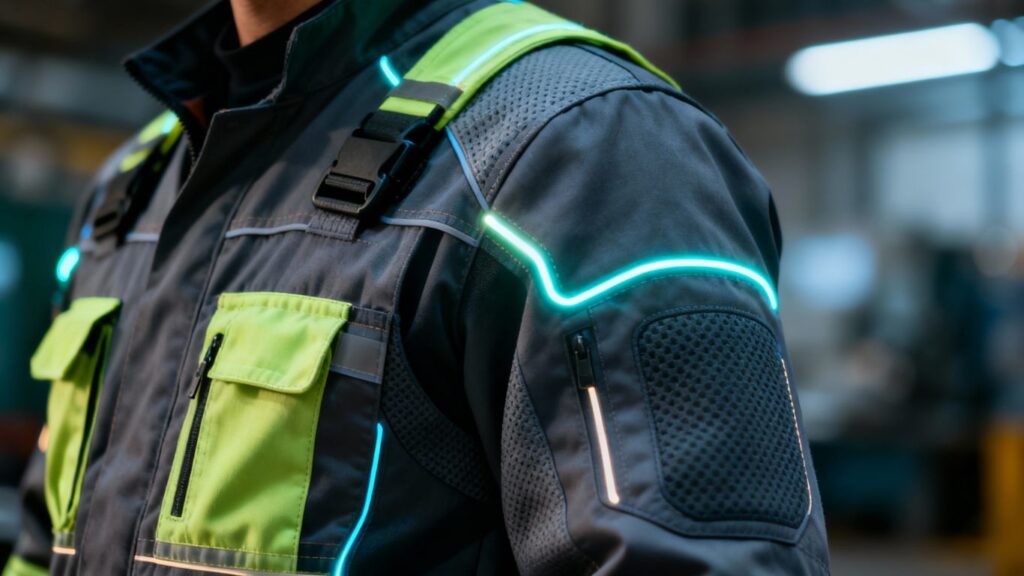
Remember when reflective strips on workwear were just those basic, silver bands that looked a bit like duct tape? Well, things have moved on a fair bit. In 2026, you’ll see reflective trims that are way more integrated into the design of your gear. We’re talking about subtle weaves into seams, smart patterns on logos, and even reflective piping that looks good while keeping you seen. It’s not just about being visible anymore; it’s about how that visibility is achieved. Brands are getting clever, using reflective elements not just on the obvious bits like sleeves and legs, but also on hoods, cuffs, and even zippers. This means you get that safety boost without looking like you’re wearing a disco ball, especially when you’re out in tough conditions.
High-Reflectivity Meets Durability for Demanding Jobs
For those jobs where you’re really put through your paces, the durability of reflective elements is just as important as how bright they are. You need gear that can handle being scraped, washed, and generally bashed about without losing its shine. By 2026, expect to see a big push towards reflective materials that can withstand serious wear and tear. This means better application techniques and tougher materials, so those reflective bits stay put and stay bright, wash after wash. Think of it as safety that’s built to last, not just for show. Some of the new tech is even being described as ‘space-grade’ durable, which sounds pretty impressive for a work jacket!
Here’s a quick look at what’s changing:
- Brighter Reflectivity: New materials bounce back more light, making you stand out even in low-light conditions.
- Tougher Materials: Reflective elements are being made to resist abrasion and repeated washing.
- Better Application: Advanced methods mean the reflective parts are more likely to stay attached.
The focus is shifting from just slapping on some reflective tape to genuinely engineering it into the fabric and design for long-term performance and safety.
Interactive Designs: Safety That Moves With You
This is where things get really interesting. Forget static reflective strips; by 2026, you’ll start seeing reflective elements that react to your movement. Imagine patterns or logos that only appear when you move, or designs that subtly shift and change as you work. It’s a bit like having safety features that are smart enough to know when you need them most. This isn’t just about looking cool, though that’s a bonus; it’s about creating a more dynamic form of visibility. As you shift position or move around a site, these interactive elements can catch the light in new ways, making you more noticeable from different angles. It’s a clever way to boost your safety profile without compromising on the overall look of your workwear.
Sustainable Fabrics: Comfort Meets Conscience
Right then, let’s talk about what your work gear is actually made of. It’s not just about looking the part anymore, is it? You want clothes that feel good on your skin, last ages, and, importantly, don’t trash the planet. Luckily, the fabric game is changing, and 2026 is looking pretty green.
Eco-Friendly Materials for a Longer-Lasting Garment
Forget flimsy stuff that falls apart after a few washes. We’re seeing a big push towards materials that are built to last, and that often means going back to nature, but with a modern twist. Think about organic cotton, for instance. It’s grown without all those nasty pesticides, making it better for the soil and for you. Then there’s linen, which is naturally breathable and gets softer the more you wear it – perfect for those warmer days on site. These aren’t just buzzwords; they’re about choosing clothes that are genuinely tougher and kinder.
- Organic Cotton: Softer, stronger, and no harmful chemicals.
- Linen: Breathable, durable, and gets better with age.
- Hemp: Another tough fibre that’s good for the earth.
The focus is shifting from fast fashion to ‘slow fashion’ in workwear. This means investing in fewer, better pieces made from materials that can withstand the rigours of your job and the test of time. It’s about quality over quantity, plain and simple.
The Rise of Regenerative Fibres in Workwear
This is where things get really interesting. Regenerative fibres go a step beyond just being ‘eco-friendly’. The idea is that the farming and production of these materials actually help to improve the environment. We’re talking about farming practices that restore soil health, capture carbon, and boost biodiversity. It’s a bit like giving the earth a helping hand while you get your kit sorted. Keep an eye out for terms like regenerative cotton or wool from farms that are actively working to heal the land. It’s a smart way to support a healthier planet, and you can find some great truck parts made with similar forward-thinking principles.
Minimising Environmental Impact: PFC-Free and Beyond
We all need our workwear to handle a bit of weather, right? Water repellency and protection are key. But for years, that often meant using chemicals called PFCs (perfluorinated compounds), which aren’t great for the environment. The good news is, manufacturers are ditching these. By 2026, you’ll see a lot more workwear featuring PFC-free water-repellent finishes. These new treatments work just as well, keeping you dry without the environmental baggage. It’s a small change that makes a big difference to our waterways and ecosystems.
Smart Casual Workwear: Professionalism Redefined
Right then, let’s talk about how you’ll be looking sharp yet feeling comfy at work in 2026. Forget those stuffy suits of yesteryear; we’re talking about a whole new vibe for smart casual. It’s all about picking pieces that look the part but don’t make you feel like you’re wearing a costume. Think of it as your everyday professional uniform, but with a bit more personality and a lot less fuss.
Elevated Essentials for the Modern Tradie
This isn’t about throwing on any old thing. We’re focusing on those core items that just work. You know, the ones you can grab without thinking and still look put-together. It’s about building a solid foundation with quality basics that can be mixed and matched endlessly. Imagine a wardrobe where everything just clicks, saving you precious time in the morning.
- The Perfect Blazer: Forget stiff, boxy jackets. In 2026, blazers are getting softer, often made from more breathable, sustainable fabrics. Look for ones with a bit of stretch so you can actually move. Colours are expanding beyond just navy and black too – think muted olives or warm greys.
- Knitwear That Means Business: Your favourite jumper isn’t just for weekends anymore. Fine-gauge merino wool or cosy cashmere blends are making a serious statement. The trick is the fit – it should skim your body, not cling, and details like subtle ribbing or contrast trims add that extra polish.
- Trousers That Move With You: Say goodbye to restrictive trousers. Wide-leg styles, cropped cuts, and fabrics that resist creases are big news. Finding a pair that sits well and looks sharp with your chosen footwear is key.
The real magic of smart casual is its flexibility. It’s about looking professional enough for that important client meeting, but relaxed enough to grab a pint with colleagues afterwards without needing a full outfit change. It’s practical style for real life.
The Versatile Blazer: A Timeless Transformer
If there’s one piece that truly defines smart casual, it’s the blazer. It’s the ultimate shortcut to looking more polished. For 2026, the focus is on comfort and versatility. We’re seeing blazers with softer shoulders, often unlined for better breathability, and made from materials that have a bit of give. This means you can wear it comfortably all day, from your commute to your desk to after-work drinks. Think about a blazer in a textured weave or a subtle check – these details add interest without being overpowering. It’s the piece that can instantly smarten up a t-shirt and jeans or add a professional edge to chinos and a knit.
Sophisticated Knitwear and Modern Trousers
Knitwear is having a moment, and it’s not just about chunky jumpers. Think finer knits, like merino wool or soft cotton blends, that drape well. These can be layered over a crisp shirt or worn on their own. They offer warmth without bulk, making them perfect for fluctuating office temperatures. When it comes to trousers, the trend is leaning towards more relaxed fits. Wide-leg trousers in fabrics like Tencel or a wool blend offer a sophisticated silhouette that’s also incredibly comfortable. They pair brilliantly with both smart flats and a low heel, making them a true wardrobe workhorse. The key is to find trousers that have a good drape and a clean finish, so they always look intentional, not sloppy.
Denim’s Next Chapter: Durability and Style
Relaxed Silhouettes and Vintage Aesthetics
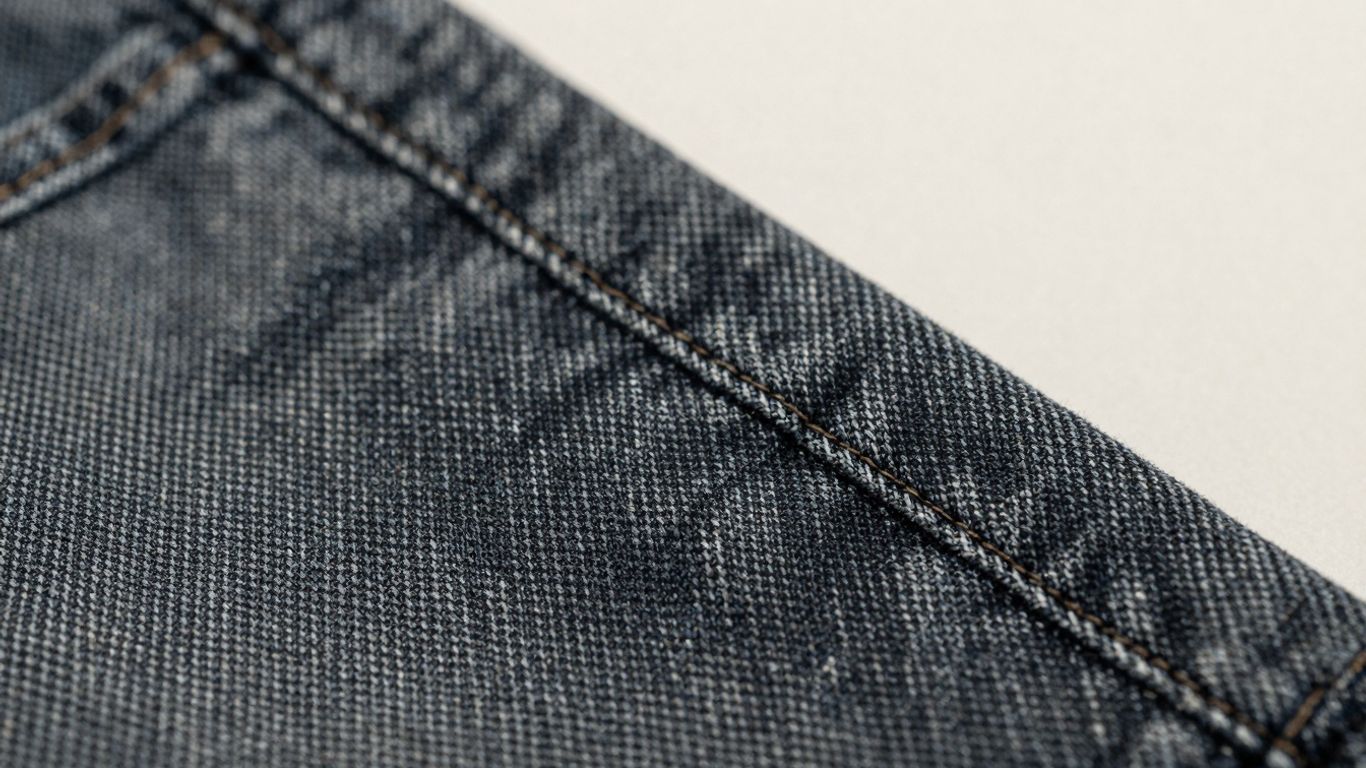
Forget those super-tight jeans you might have worn a few years back. The big story for 2026 is all about comfort and a nod to the past. You’ll see a lot more relaxed fits, wider legs, and even some baggy styles making a comeback. Think of those classic jeans your dad or grandad might have worn – that’s the vibe. This isn’t just about looking cool, though; these looser shapes are way more practical for everyday work, giving you room to move without feeling restricted. Plus, the vintage look means you’re getting denim that feels lived-in from the start, often with unique washes that give each pair its own character. It’s like your favourite old jeans, but brand new.
Performance-Driven Denim with Stretch Capabilities
Now, just because it looks vintage doesn’t mean it can’t handle a tough day. The real magic happening in denim is how they’re blending that classic look with modern tech. You’ll find fabrics that have built-in stretch, making a massive difference when you’re bending, lifting, or just on the move all day. It’s not just about comfort either; this stretch means the denim holds its shape better and is less likely to rip or wear out in key areas. Some brands are even incorporating moisture-wicking and temperature-regulating properties, so you stay comfortable no matter the weather or how hard you’re working. It’s denim that works as hard as you do.
Artisanal Craftsmanship and Unique Washes
Beyond the fit and the fabric tech, there’s a real appreciation for the craft of making denim. Expect to see more attention paid to the details. This means unique washes that go beyond the standard blue – think deep indigos, subtle stonewashes, or even interesting colour tints. You might also notice more handcrafted touches, like contrast stitching, patchworking, or even laser-printed designs that add a bit of artistry. It’s about denim that feels special, not mass-produced. These aren’t just trousers; they’re pieces with a story, made with care and a keen eye for what makes denim truly stand out.
The focus is shifting towards denim that offers both a relaxed, vintage feel and advanced performance features. This means you don’t have to choose between looking good and feeling comfortable or being able to move freely throughout your workday. It’s about durable, stylish workwear that genuinely supports you.
Innovative Textures and Functional Finishes
Craft-Inspired Textures for a Unique Feel
Forget boring, flat fabrics. 2026 is all about giving your workwear a bit of personality through texture. Think about materials that feel good to the touch, almost like they’ve been lovingly made by hand. We’re seeing a real move towards craft-inspired finishes. This could mean anything from subtle woven patterns that give a fabric a bit of depth, to finishes that mimic the look of natural materials like raffia, or even a paper-like feel that’s surprisingly durable. You might also notice more visible stitching details or even crochet-inspired elements making their way into workwear, adding a unique, artisanal touch that sets your gear apart.
Performance Finishes: Water Repellency and Thermoregulation
Beyond just looking good, your workwear needs to perform. That’s where innovative finishes come in. You’ll find more garments treated with PFC-free water repellency, meaning they’ll shrug off light rain and spills without harming the environment. But it’s not just about staying dry; it’s also about staying comfortable. Look out for fabrics with built-in thermoregulation. These clever materials help manage your body temperature, keeping you cooler when it’s warm and warmer when it’s chilly. This means fewer layers to worry about and more focus on the job at hand.
Luminous Effects and Playful Details
Who says workwear can’t have a bit of flair? 2026 is bringing some fun into the mix with luminous effects and playful details. Imagine subtle shimmering threads woven into your trousers or jacket, or a pearly finish on certain panels that catches the light. It’s not about being flashy, but about adding a sophisticated touch. On the more playful side, we’re seeing things like 3D knit textures that add a tactile dimension, or fabrics with a crinkled or cloqué effect that give your outfit a bit of visual interest. These details might seem small, but they really make your workwear feel more modern and personal.
The focus in 2026 is on making workwear that’s not only tough and functional but also interesting to look at and feel. It’s about adding character through texture and smart finishes, so you feel good wearing it, not just because it protects you, but because it looks and feels great too.
Here’s a quick rundown of what to expect:
- Crafted Textures: Think woven patterns, paper-like finishes, and visible stitching.
- Functional Coatings: PFC-free water repellency and advanced thermoregulation.
- Visual Interest: Subtle luminous effects, pearly finishes, and 3D knit details.
- Tactile Appeal: Crinkled, cloqué, and other interesting surface feels.
The Future of Fit: Comfort and Adaptability
Right then, let’s talk about how your work clothes are going to feel in 2026. It’s all about making sure your gear moves with you, no matter what you’re doing. Forget stiff, restrictive outfits; we’re heading into a time where your workwear actually feels like a second skin.
Liquid Tailoring: Mobility Meets Sharpness
This is where things get really interesting. Think of it as tailoring that’s been given a dose of flexibility. Instead of rigid seams and bulky fabrics, you’ll find materials that stretch and flow, giving you a sharp, professional look without feeling like you’re wearing a suit of armour. It’s about looking put-together even when you’re bending, reaching, or climbing. The fabrics themselves are designed to adapt, offering breathability and a smooth feel against your skin, so you can focus on the job, not on how your clothes are holding you back.
Gender-Fluid Silhouettes for All Trades
Workwear is finally catching up with the real world. In 2026, you’ll see more designs that aren’t strictly for men or women. This means a wider range of fits and styles that work for everyone. Whether you prefer a more relaxed cut or something a bit more fitted, there will be options that look good and feel right, regardless of your gender. It’s about inclusivity and making sure that everyone has access to comfortable, functional, and stylish workwear.
Workwear That Adapts to Your Lifestyle
Your job isn’t just 9 to 5, and your clothes shouldn’t be either. The workwear of 2026 is being designed with your whole life in mind. This means pieces that can easily transition from the worksite to wherever you’re heading next. Think about trousers that don’t crease when you sit down for hours, or jackets that look smart enough for a client meeting but are tough enough for a day out in the elements. It’s about versatility, making your wardrobe work harder for you, so you spend less time worrying about what to wear and more time getting things done.
The focus is shifting from clothes that just do a job to clothes that help you do your job better, all while feeling comfortable and looking good.
Here’s what you can expect:
- Smart fabrics: Materials that help regulate your temperature, keeping you cool when it’s hot and warm when it’s cold.
- Adjustable features: Think drawstrings, adaptable waistbands, and clever closures that let you fine-tune the fit.
- Durable yet soft materials: Fabrics that can withstand tough conditions but feel great against your skin, reducing irritation and fatigue.
- Easy care: Clothes that are simple to wash and maintain, so they’re always ready when you are.
So, What’s Next for Your Work Gear?
Right then, it looks like 2026 is shaping up to be a pretty interesting year for your work clothes. We’re seeing a real push towards gear that’s not just tough but also smarter and more comfortable, which is a win for everyone on the tools. Think fabrics that can handle a bit of everything the weather throws at you, and designs that actually make sense for how you move. It’s not just about looking the part, but feeling it too, so you can get on with the job without your gear getting in the way. Keep an eye out for these changes; your back (and your mates) will thank you for it.