
So, you’re thinking about a career change, eh? Maybe you’ve seen the ‘Help Wanted’ signs pop up more than usual around town, or perhaps you’re just after something a bit more hands-on. Well, you’re in luck. The trades here in Aotearoa are crying out for good people, and guess what? They’re actively looking for women to fill those spots. Forget what you thought you knew about tradie jobs; things are changing, and by 2026, there’ll be even more opportunities waiting for you.
Key Takeaways
- There’s a real shortage of skilled workers in the trades across New Zealand, and more women are being encouraged to step into these roles.
- Trades offer a solid financial future, often without the student loan burden that comes with university degrees.
- Old ideas about who belongs in the trades are fading, with more support and training available to help women get started and succeed.
The Growing Demand For Women In Trades NZ
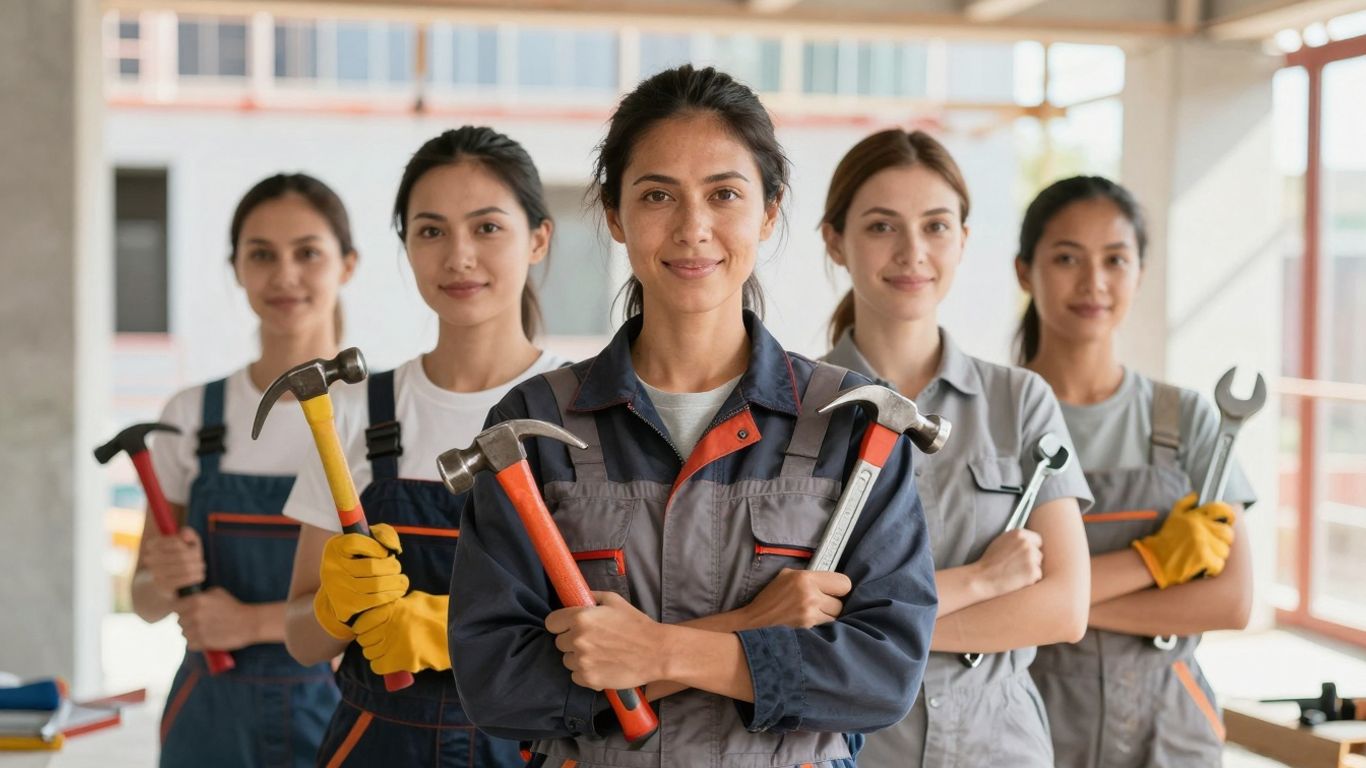
So, you’re thinking about a career change, maybe something a bit more hands-on? You’ve probably heard the buzz about skilled trades, and you might be wondering if it’s really for you. Well, let me tell you, the demand for skilled workers is massive right now, and guess what? It’s a fantastic time for women to step into these roles. Seriously, the opportunities are piling up, and it’s not just about filling a gap; it’s about building a solid future for yourself.
Bridging The Skills Gap: Why Trades Need More Women
It’s no secret that there’s a bit of a shortage when it comes to skilled tradespeople. Think about it – all those buildings going up, roads needing fixing, and machinery that needs looking after. Someone’s got to do it, right? And the truth is, there just aren’t enough people with the right skills to go around. This is where you come in. The trades are actively looking for talented individuals, and that absolutely includes women. It’s not about men’s work or women’s work anymore; it’s about getting the job done by the best people available.
For years, the stereotype was that trades were just for blokes. But that’s changing, and fast. More and more people are realising that skills, dedication, and a good work ethic aren’t tied to your gender. In fact, bringing more women into the trades can actually make teams stronger. You bring different perspectives, a keen eye for detail, and often a different approach to problem-solving. It’s like adding new colours to a painter’s palette – the final picture is just richer.
Here’s a quick look at why this gap is so significant:
- Massive Need: Industries like construction, electrical, plumbing, and engineering are crying out for more workers. Projections show a huge shortfall in the coming years if nothing changes.
- Diverse Skills: Different people bring different strengths. Having more women means a wider range of skills and ideas on site.
- Innovation: New perspectives can lead to new ways of doing things, making projects more efficient and innovative.
The old ideas about who belongs in a trade are fading. What matters now is your ability to learn, adapt, and contribute. The industry is waking up to the fact that talent is everywhere, and they need all of it to keep up.
Financial Freedom: Trades As A Smart Career Choice
Let’s talk about the money side of things, because, let’s be honest, it’s a big part of choosing a career. You might be surprised to learn just how financially rewarding a career in the trades can be. Forget the idea that you need a fancy university degree to earn a good living. Many trades offer salaries that are not only competitive but can actually rival or even surpass those of many office-based jobs. Plus, you often get into the workforce sooner, meaning you start earning and building your financial independence without the massive burden of student debt that so many graduates face.
Think about it: you can be learning a valuable skill, earning a decent wage, and building a secure future, all at the same time. It’s a pretty compelling package, isn’t it?
Here’s a snapshot of what you could be looking at:
| Trade | Median Annual Salary (Approx.) |
|---|---|
| Electrician | $60,240 |
| Plumber | $59,880 |
(Note: These figures are based on general data and can vary by location and experience.)
Beyond the salary, many trade jobs offer good job security and opportunities for growth. You can start as an apprentice and work your way up to becoming a master tradesperson, starting your own business, or moving into management roles. It’s a path with real progression. Plus, with the current demand, your skills will be in high demand, giving you a strong position in the job market. It’s a smart move for anyone looking for stability and financial independence.
Breaking Down Barriers For Women In Trades NZ
So, you’re thinking about a career in the trades, which is brilliant! But let’s be real, it’s not always a walk in the park, especially for women. For ages, these jobs were seen as strictly ‘bloke territory’, and shaking off those old ideas takes time. It’s like trying to change the channel on an old TV – you’ve got to fiddle with the dial a bit before you get the right picture.
Challenging Old Perceptions: A New Era For Trades
Remember those old movies where the woman fainted at the sight of a bit of dirt? Yeah, well, some people still have that image stuck in their heads. You might walk onto a site and get that look, that subtle hesitation before someone hands you a tool, as if they’re not quite sure you can handle it. It’s not always outright rudeness, but it’s that quiet assumption that you might not be strong enough, or perhaps not as capable with the nitty-gritty of the job. It can feel like you’re constantly having to prove yourself, just to be seen as an equal.
But here’s the thing: talent doesn’t have a gender. The skills you need – problem-solving, attention to detail, a good head for heights or for working with your hands – these are things anyone can have. Younger generations, in particular, are starting to see trades for what they really are: solid, well-paid careers that offer independence and a chance to build something tangible. The idea that you have to go to university to be successful is fading, and that’s a good thing. We’re seeing more and more women stepping up, showing what they can do, and frankly, doing a cracking job of it.
The trades are changing, and it’s about time. It’s not about special treatment; it’s about a fair go. When you’ve got the skills, you’ve got the skills, plain and simple. The old ways of thinking are just that – old.
Support Systems And Training: Paving The Way Forward
Okay, so challenging perceptions is one thing, but what about the practical stuff? Getting into and staying in a trade involves more than just wanting to do it. There are real hurdles that need sorting.
One of the biggest issues is the lack of mentors. For years, there weren’t many women in senior roles in the trades, meaning newcomers often felt like they were figuring everything out on their own. Imagine trying to learn a complex skill without anyone experienced to guide you – it’s tough! Thankfully, this is starting to change. More programmes are popping up that connect experienced tradeswomen with those just starting out. Having someone who’s been there, done that, and can offer advice or just a listening ear can make a massive difference to whether someone sticks with it or not.
Then there’s the training itself. Sometimes, courses aren’t designed with women in mind. Think about things like changing facilities on worksites, or even just the timing of training sessions. If you’ve got family commitments, a rigid schedule can be a real problem. We need more flexible training options and better support, like accessible childcare, to make sure everyone has a fair shot. It’s about making the path smoother, so you can focus on learning the trade, not battling logistical nightmares.
Here’s a quick look at some areas where support is making a difference:
- Mentorship Programmes: Connecting new tradespeople with experienced professionals for guidance and support.
- Flexible Training: Offering courses at different times and in different formats to accommodate various needs.
- Inclusive Facilities: Ensuring workplaces and training centres have appropriate facilities for everyone.
- Apprenticeship Support: Providing resources and guidance throughout the apprenticeship journey.
It’s not just about getting women into the trades; it’s about making sure they can stay and thrive. Retention is key. When women feel supported, respected, and have clear pathways for progression, they’re much more likely to build a long and successful career. And that’s a win for everyone – for you, for the industry, and for New Zealand’s future.
So, What’s Next?
Right then, it’s pretty clear the trades are crying out for good people, and that includes you. By 2026, you’ll find even more doors opening up. Forget those old ideas about who belongs where; the real world needs your skills, plain and simple. Whether you’re already on the tools or just thinking about it, there’s never been a better time to jump in. Give it a go, you might surprise yourself.