
Alright, let’s talk about getting some solar upgrades done in NZ. You might have heard things are changing, especially with those tax credits winding down. It’s not all doom and gloom though. In fact, 2026 looks like it could be a pretty big year for solar, and you’ll want to know why. We’ll cover what’s happening with the incentives, why battery storage is becoming a must-have, and how solar can actually save you a bit of coin in the long run.
Key Takeaways
- The clock is ticking on current solar tax credits, so getting your solar upgrades NZ sorted before they expire is a smart move.
- Battery storage is becoming a game-changer, making sure your home has power when you need it, day or night.
- With power prices always on the up, solar is shaping up to be a solid way to keep your energy costs predictable.
Navigating The Shifting Sands Of Solar Incentives
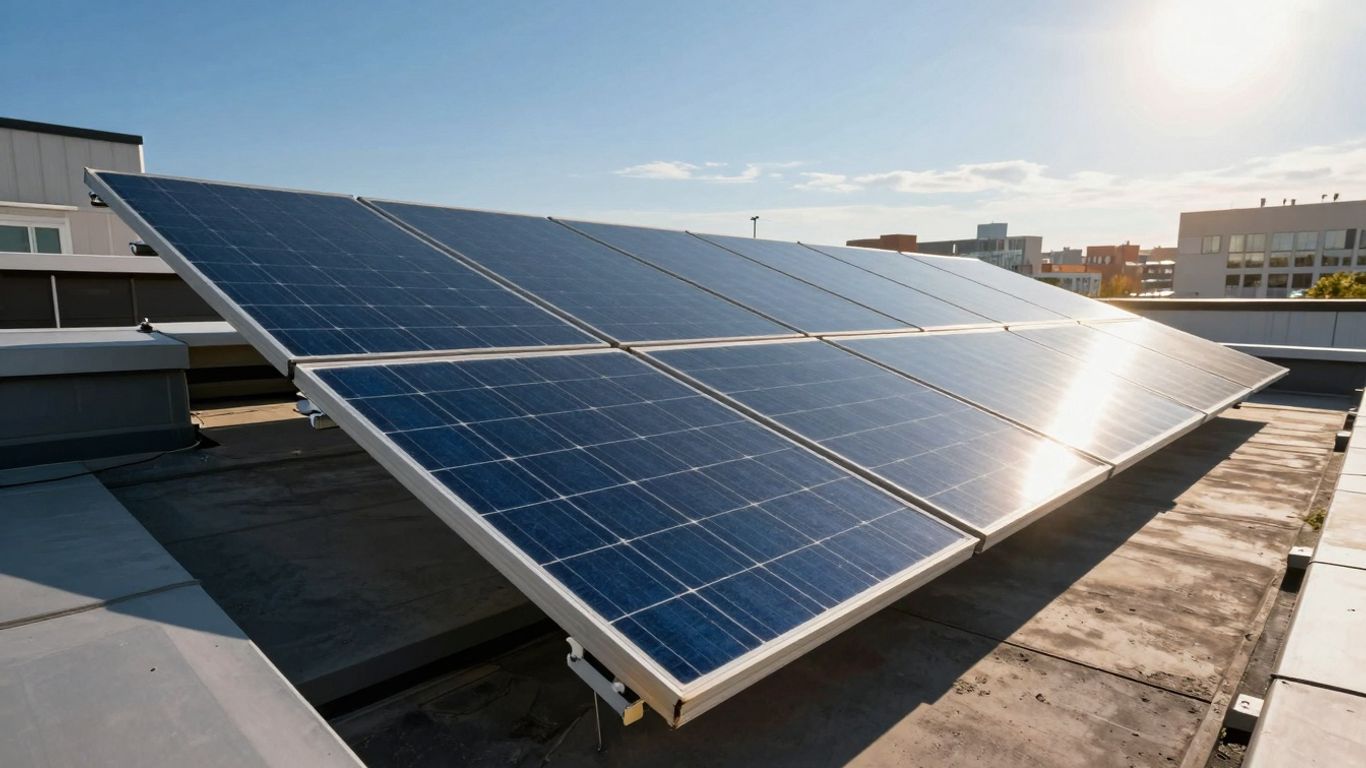
Right then, let’s talk about the big changes coming to solar power in 2026, especially concerning those all-important incentives. You know, the ones that have made going solar a bit easier on the wallet for a good while now. It feels like the ground is shifting under our feet a bit, and it’s worth getting your head around what’s happening so you don’t miss out.
The Countdown To Tax Credit Expiry
So, here’s the headline: the big federal tax credit for residential solar, the one that’s been around for ages, is set to finish up at the end of 2025. This isn’t some rumour; it’s a pretty concrete thing that’s going to change how things work. For years, this credit has been a massive help, knocking a good chunk off the price of getting solar panels installed. Without it, the upfront cost for homeowners might seem a bit higher, and that’s going to make people think twice.
Think of it like this: imagine your favourite shop suddenly stops offering a discount you’ve always relied on. You’d probably look at the price tag a bit more closely, right? It’s similar with solar. Installers are going to have to find new ways to show you the real value of solar, beyond just the immediate savings from that tax credit. This means focusing more on how much money you’ll save on your electricity bills over the long run, how reliable your power will be, and maybe even how much it adds to your home’s value.
It’s not all doom and gloom, though. This change is actually pushing the industry to get smarter. Companies that have been relying solely on these incentives might find things tough. But for those who are already thinking ahead, it’s an opportunity. They’re looking at:
- Diversifying their products: Maybe offering battery storage alongside panels, or even looking at bigger commercial projects.
- Improving efficiency: Finding ways to install systems faster and cheaper.
- Highlighting long-term benefits: Really hammering home the savings you’ll see year after year.
It’s a bit of a shake-up, for sure, but it could lead to a more stable and customer-focused solar market in the long run.
Securing Your Solar Upgrades NZ Before The Deadline
Now, if you’re in New Zealand, the situation with incentives might look a little different, but the principle of acting before changes happen is still very much alive. While the specific federal tax credits mentioned above are more of a US thing, New Zealand has its own landscape of support and regulations that can shift. It’s always a good idea to check what local council grants, energy efficiency schemes, or other government initiatives might be available and when they might change or end.
For example, some areas might have specific rebates for solar installations or battery storage that are time-limited. Or perhaps there are changes coming to how your excess solar power is credited back to you by your electricity provider (sometimes called ‘net metering’ or similar schemes). These things can significantly impact the financial case for installing solar.
Here’s what you should be thinking about:
- Research Current Support: Find out exactly what incentives, grants, or rebates are available in your specific region of New Zealand right now. Don’t just assume; look it up on government websites or ask reputable solar installers.
- Understand Timelines: If there are any time-sensitive offers, make a note of their expiry dates. Some might require you to have your system installed and commissioned by a certain date.
- Talk to Installers: Get quotes from a few different solar companies. Ask them directly about any upcoming changes to incentives they’re aware of and how it might affect your decision.
The key takeaway here is that while the big US tax credit is ending, the general idea of incentives influencing the solar market is universal. It pays to be informed and proactive, especially if you’ve been considering solar for a while. Acting sooner rather than later can often mean taking advantage of the best available financial support before it disappears.
So, if you’ve been on the fence about getting solar panels, or maybe adding a battery to your existing system, 2026 is shaping up to be a year where understanding these financial shifts is really important. Getting your ducks in a row now could save you a fair bit of money and ensure you’re making the most of the current support available.
Beyond The Panel: Storage And Stability For Kiwi Homes
So, you’ve got your solar panels humming away, soaking up the sun. That’s brilliant! But what happens when the clouds roll in, or worse, when the grid decides to take a little nap? This is where things get really interesting, and honestly, pretty smart for your home. We’re talking about energy storage and making sure your power supply is as steady as a rock, even when the rest of the country is in a bit of a wobble.
Energy Storage: The Key To Reliable Power
Think of your solar panels as the engine that generates power, and a battery system as the fuel tank. Without a tank, all that generated power just disappears if you don’t use it right away. But with a battery, you can store that sunshine for later – like for your evening cuppa, or when the kids are glued to the TV and the oven is on.
It’s not just about having power when the sun’s not shining, though. These battery systems are getting seriously clever. They can help manage when you use electricity, especially during those peak times when everyone else is also trying to power up their homes. This means you can often avoid the higher charges that come with using power when the grid is under the most strain. Plus, if there’s a power cut? Your home can keep running on stored solar energy, meaning no more fumbling for candles or losing your spot in that binge-watch.
Here’s a quick look at why adding storage makes so much sense:
- Power When You Need It: Store excess solar energy generated during the day for use at night or on cloudy days.
- Grid Independence: Reduce your reliance on the main electricity grid, especially during peak demand hours.
- Backup Security: Keep essential appliances running during power outages, giving you peace of mind.
- Smart Management: Some systems can even learn your usage patterns to optimise when energy is stored and used.
The real game-changer is having a consistent, reliable power source, no matter what’s happening outside your home.
Solar As A Hedge Against Rising Energy Costs
Let’s be honest, the cost of electricity seems to be on a one-way trip upwards, doesn’t it? It feels like every year, we’re bracing ourselves for another price hike. This is where solar, especially when paired with storage, becomes more than just a way to be green; it’s a really sensible financial move.
By generating your own electricity, you’re essentially locking in a price for a good chunk of your energy needs. It’s like buying your fuel in advance at a fixed rate, rather than constantly being at the mercy of fluctuating global prices or supply issues. Even if the grid price goes up, your solar-generated power stays at its original ‘cost’ (which is essentially free after the initial setup).
This stability is a huge plus. Businesses, in particular, are looking for ways to predict their outgoings, and energy bills can be a massive variable. Solar offers a way to get a handle on those costs. It’s a tangible asset that insulates you from those unpredictable spikes.
The shift towards energy independence and predictable costs is making solar and storage systems not just an environmental choice, but a financially savvy one for homeowners and businesses alike. It’s about taking control of your energy future and your budget.
So, while the focus might have been on the panels themselves for a while, the real magic for 2026 and beyond lies in what you do with that captured sunshine. Storage is no longer a ‘nice-to-have’; it’s becoming a fundamental part of a smart, stable, and cost-effective home energy system.
So, What’s the Takeaway?
Right then, it looks like 2026 is shaping up to be a pretty big year for solar. You’ve heard about the incentives changing and how storage is becoming a real game-changer, making solar more reliable than ever. Plus, with electricity prices doing their usual unpredictable dance, having your own solar setup is looking like a smart move to keep costs steady. It’s not just about saving the planet anymore, is it? It’s about being sensible with your money and having a bit more control. So, if you’ve been thinking about it, now might just be the time to get on board.