Understanding the Importance of MLift Forklift Maintenance
Why Regular Maintenance Protects Safety and Productivity
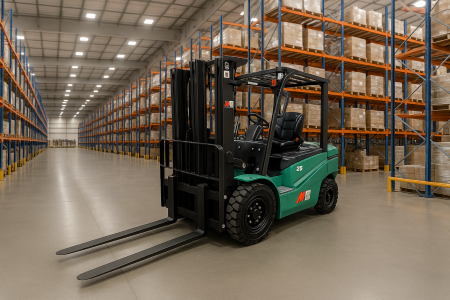
Maintaining MLift forklifts properly is essential for keeping daily operations running safely and efficiently. These machines handle heavy loads, work long shifts, and operate in environments that expose them to dust, vibration, and general wear. Regular maintenance allows operators to identify issues before they develop into major hazards.
A forklift with worn brakes, leaking hydraulics, or a weak battery can pose serious risks to both operators and site personnel. Consistent upkeep ensures the forklift remains reliable, minimises downtime, and supports stable productivity across the worksite.
How MLift Forklift Design Influences Maintenance Needs
MLift forklifts are engineered for durability. However, like all industrial equipment, their performance depends on proper care. Components such as masts, chains, and hydraulic cylinders require targeted maintenance because of the loads they endure. Electric models need structured battery care.
Diesel and LPG models rely heavily on clean filters and healthy engines. Understanding the specific design elements of an MLift forklift helps operators and managers apply the right maintenance techniques, ensuring all components receive attention based on their role and stress levels.
The Cost Benefits of Preventative Maintenance Programmes
Preventative maintenance offers major financial benefits. Addressing small issues early prevents larger failures that could require costly parts or extended downtime. A well maintained forklift operates more efficiently, uses less fuel or power, and reduces strain on its key systems.
Businesses that invest in scheduled inspections also experience fewer emergency repairs. This makes budgeting more predictable and equipment life cycles easier to manage.
Daily Maintenance Checks Operators Should Perform
Visual Inspections to Detect Early Wear and Damage
Daily walk around checks are essential for early problem detection. Operators should inspect the forklift for visible signs of damage, such as leaks, loose bolts, cracks, bent forks, or damaged tires. These checks only take a few minutes but play an important role in catching potential issues that could compromise safe operation. A simple visual inspection often identifies problems long before they affect performance.
Checking Fluids, Tires, and Battery Levels Before Operation
Daily fluid checks ensure all systems operate smoothly. Operators should confirm that hydraulic fluid, coolant, and engine oil levels are within the recommended range. For electric models, battery water levels and charge status must also be inspected. Tire condition is equally important. Worn or under inflated tires reduce stability and increase fuel use. Keeping these elements in good condition supports safe and efficient lifting.
Identifying Warning Lights and Performance Irregularities
Modern MLift forklifts are equipped with sensors and indicator lights designed to alert operators to developing issues. Any warning light should be reported immediately. Operators should also track changes in steering response, braking, lift performance, or unusual noises. Small performance irregularities often signal emerging problems that should not be ignored.
Lubrication and Component Care for MLift Forklifts
Proper Lubrication Practices to Extend Component Lifespan
Lubrication is essential for preventing friction and wear in key moving parts. Components such as bearings, mast rails, and chains require proper lubrication with manufacturer-approved products. Poor lubrication can cause rapid wear, overheating, and mechanical stress. Keeping a consistent lubrication schedule helps extend component life and maintains smooth lifting operation.
Maintaining Chains, Mast Assemblies, and Hydraulic Systems
The mast and chains carry the heaviest loads. Chains must be inspected for stretch, rust, or stiff links. The mast assembly should move smoothly without sticking or jerking. Hydraulic systems need leak free hoses, intact seals, and clean fluid. These elements work together to keep the forklift lifting safely. Regular checks ensure the machine maintains stable and predictable performance.
Preventing Rust and Corrosion in Key Structural Areas
Rust can weaken structural integrity. Operators should inspect the forklift frame, overhead guard, forks, and attachment points for corrosion. Applying protective coatings and cleaning the forklift regularly can significantly reduce rust risk. This is especially important in outdoor or moisture prone environments where corrosion develops faster.
Electrical System and Battery Maintenance
Care Tips for Electric and Hybrid MLift Forklift Models
Electric MLift forklifts require specific care to remain reliable. Operators should avoid deep discharging and ensure batteries receive adequate charge each shift. It is also important to prevent battery overheating. Checking terminals for corrosion and cleaning them regularly helps maintain stable electrical flow.
Best Practices for Charging and Storing Forklift Batteries
Proper charging routines extend battery life. Batteries should be charged fully and stored in cool, dry areas. Overcharging, rapid charging, or inconsistent charging patterns can shorten battery lifespan. Ensuring ventilation around charging stations reduces heat build up and prevents unnecessary strain on the battery.
Maintaining Wiring, Connectors, and Control Panels
Forklifts rely heavily on electronic systems for safe operation. Wiring and connectors should be checked for fraying, loose fits, or corrosion. Control panels must respond accurately, with no flickering displays or unresponsive buttons. Keeping these systems clean and protected from dust ensures the forklift functions consistently.
Engine and Transmission Maintenance for Diesel and LPG Models
Keeping Engine Oil, Filters, and Coolant in Good Condition
Internal combustion forklifts depend on clean fluids and healthy filters. Engine oil should be changed at the recommended intervals to prevent wear on internal components. Air and fuel filters must remain clean to support efficient combustion. Coolant levels should be checked frequently to prevent overheating during long or heavy shifts.
Spotting Early Signs of Engine or Gearbox Wear
Engine issues often begin with small symptoms. Excessive smoke, difficulty starting, weak acceleration, or unusual noises may indicate early wear. Gearbox problems can appear as hesitations or vibrations during gear changes. Operators who report these signs early help prevent more serious mechanical failures.
How Heat and Heavy Loads Affect Mechanical Performance
Heat places extra stress on engines and transmissions. Heavy lifting tasks, continuous operation, or exposure to hot climates increase the risk of overheating. Maintaining cooling systems and ensuring proper airflow around the engine prevents temperature related damage.
Tire Maintenance for Safe and Efficient MLift Forklift Operation
Understanding the Differences Between Pneumatic and Solid Tires
MLift forklifts use either pneumatic tires or solid tires. Pneumatic tires offer a smoother ride and are ideal for uneven surfaces but require regular pressure checks. Solid tires resist punctures and suit indoor or harsh environments. Understanding the difference helps operators care for tires properly based on usage conditions.
Monitoring Tire Pressure, Tread Wear, and Damage
Tires must remain in good condition for the forklift to operate safely. Low pressure reduces stability while worn tread increases the risk of slipping. Cuts, punctures, or chunking must be addressed promptly. Well maintained tires support accurate steering and safe load handling.
How Tire Condition Impacts Stability and Load Handling
Tire condition influences the forklift’s centre of gravity. Damaged or uneven tires can cause instability, especially during turning or lifting at height. Regular inspection ensures the forklift maintains safe balance during operation.
Common Maintenance Mistakes to Avoid
Ignoring Small Issues That Grow Into Major Repairs
Small issues often become large ones. Leaks, warning lights, or unusual noises should never be ignored. Addressing problems early reduces repair costs and keeps the forklift reliable.
Overlooking Manufacturer Guidelines and Service Intervals
MLift provides detailed service guidelines. Skipping service intervals or using incorrect maintenance procedures can reduce equipment longevity. Following the recommended schedule protects both performance and warranty coverage.
Using Incorrect Parts or Low Quality Lubricants
Low quality parts may save money initially but reduce reliability. Genuine or approved components ensure proper fit and performance. The same applies to lubricants and fluids that meet manufacturer specifications.
When to Schedule Professional MLift Forklift Servicing
Recognising Signs That Require Specialist Inspection
Some issues must be handled by trained technicians. These include hydraulic leaks, major electrical faults, steering problems, and brake issues. Scheduling professional servicing at the first sign of trouble prevents unsafe operation.
The Value of Certified Technicians for MLift Equipment
Certified MLift technicians understand the brand’s engineering and produce accurate diagnostics. Their expertise ensures repairs meet compliance standards and restores the forklift to optimal condition.
How Regular Servicing Extends Equipment Lifespan
Routine servicing helps forklifts run more efficiently. It identifies developing issues early and ensures components receive ongoing care. This extends the lifespan of the equipment and improves overall site performance.
Final Thoughts on Effective Maintenance for MLift Forklifts
Developing a Consistent Maintenance Routine
Consistency is essential for long term forklift health. Establishing daily, weekly, and monthly routines ensures no maintenance task is overlooked.
Encouraging Operator Ownership and Responsibility
Operators who understand the importance of maintenance help create a safer work environment. Training and engagement support better forklift care.
Why Preventative Care Leads to Safer Worksites
Preventative maintenance reduces breakdowns, supports efficient operations, and promotes safe lifting practices across the entire business.
Take a look at our article on electric vs hybrid utility vehicles in 2026, too.