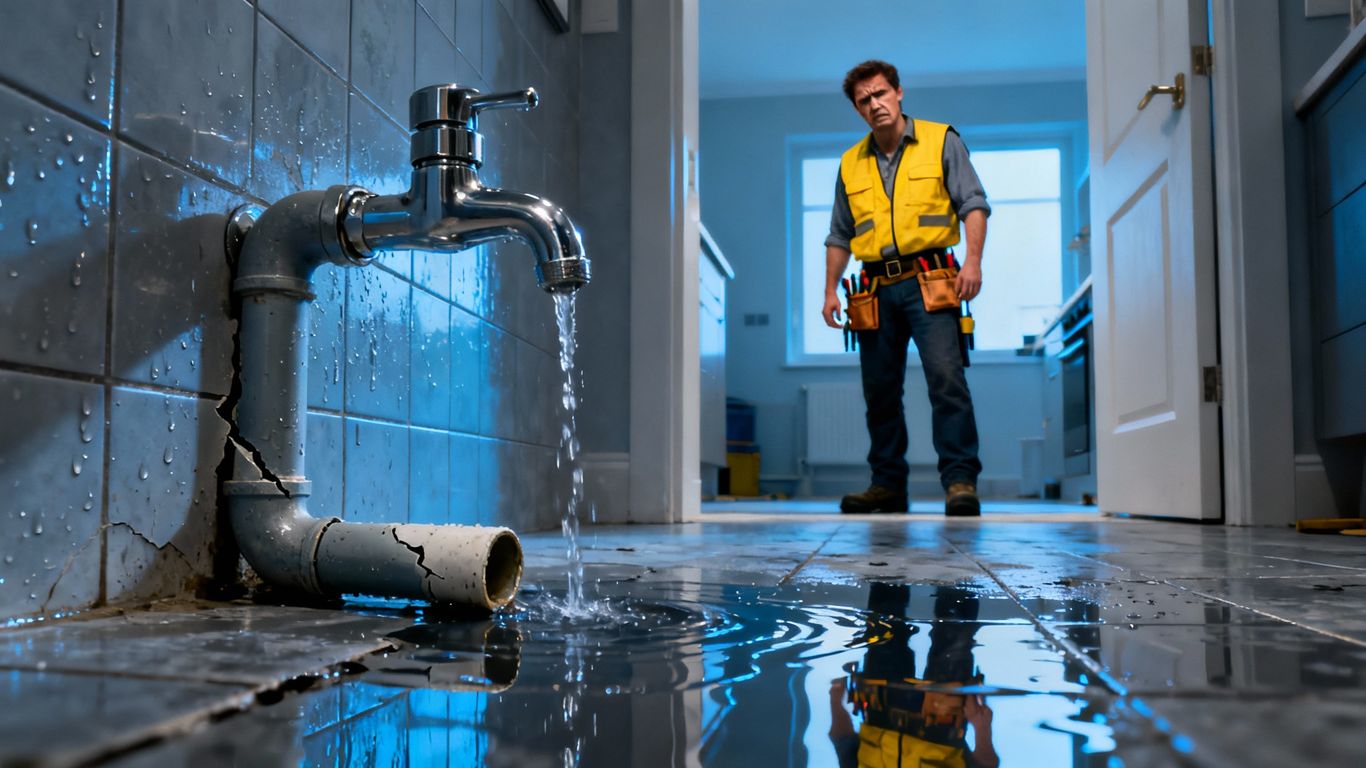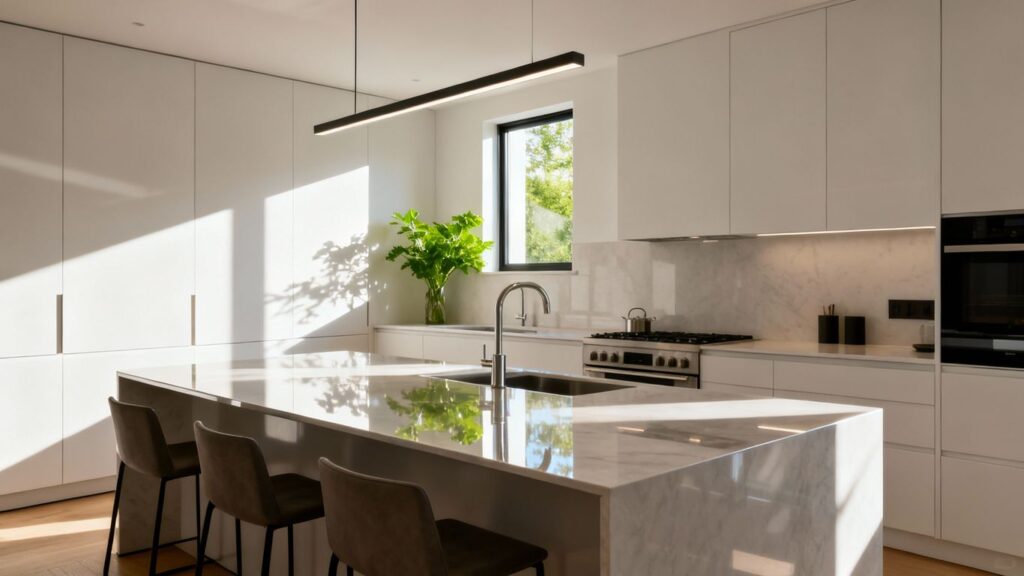
Thinking about sprucing up your place in 2026? You’ve probably seen a fair bit of stuff online about what’s ‘in’, but let’s cut through the noise. We’re talking about the real renovation trends 2026 that are actually shaping how Kiwi homes are looking and feeling. Forget those fleeting fads; these are the shifts you’ll want to keep an eye on, whether you’re doing a bit of DIY or getting a tradie involved.
Key Takeaways
- Bring the outside in with natural materials and earthy colours. Think wood, stone, and warm tones like beige and terracotta to create a cosy vibe.
- Make your home smarter and greener. Integrating technology for convenience and choosing eco-friendly materials are big deals for saving energy and looking after the planet.
- Focus on making your space unique. Personal touches, handmade items, and textures are becoming more important than just following the latest look.
Embracing Nature and Warmth In Renovation Trends 2026
Right then, let’s chat about what’s really making waves in home renovations for 2026. Forget those stark, cold spaces you might have seen a few years back. The big story this year is all about bringing the outside in and wrapping your home in a cosy, natural hug. You’re going to see a massive shift towards colours and materials that feel like they’ve come straight from the earth, creating a real sense of calm and comfort in your living spaces.
The Rise Of Earthy Tones And Natural Materials
So, what does this actually look like in your home? Well, think less about bright, artificial colours and more about the shades you find in nature. We’re talking about warm, muted tones like sandy beiges, soft terracotta, deep olive greens, and rich, earthy browns. These aren’t just colours for your walls, either. You’ll see them appearing in furniture, textiles, and even flooring. It’s about creating a palette that feels grounded and soothing, a real antidote to the hustle and bustle of modern life.
And the materials? They’re following suit. Forget shiny plastics and manufactured finishes. The focus is shifting towards natural, tactile materials that have a story to tell. We’re seeing a lot more of:
- Wood: Unfinished or lightly treated wood, especially with visible grain, is making a big comeback. Think reclaimed timber for feature walls or solid wood furniture that feels substantial and warm.
- Stone and Clay: Natural stone, whether it’s for countertops, flooring, or decorative elements, brings an organic texture. Clay plasters and terracotta tiles add a rustic, handmade feel that’s incredibly inviting.
- Natural Fibres: Materials like linen, jute, rattan, and wool are being used everywhere, from upholstery and curtains to rugs and decorative baskets. They add a soft, breathable texture that makes a room feel more lived-in and comfortable.
This trend isn’t just about aesthetics; it’s about creating a feeling. The goal is to make your home a sanctuary, a place where you can truly relax and recharge. It’s about surrounding yourself with things that feel good to touch and look at, things that connect you to the natural world even when you’re indoors.
You might be thinking, ‘But won’t all these natural colours make my home feel a bit… dull?’ Not at all! The trick is in the layering and the textures. Mixing different natural materials and varying shades within the earthy palette creates a depth and richness that’s far more interesting and sophisticated than a single, bold colour could ever be. It’s about creating a space that feels both calming and visually engaging.
Biophilic Design: Bringing The Outdoors In
This is where things get really interesting. Biophilic design is all about integrating nature into our built environments to improve our well-being. It’s more than just sticking a few houseplants around the place, though that’s definitely part of it! It’s a more holistic approach to making your home feel like a natural extension of the outdoors.
How can you bring this into your renovation plans?
- Maximise Natural Light: Big windows, skylights, and glass doors are key. Think about how you can let as much daylight flood into your rooms as possible. This not only makes spaces feel bigger and more welcoming but also has a positive impact on your mood and energy levels.
- Incorporate Greenery: This is the most obvious element. Beyond just potted plants, consider vertical gardens, living walls, or even small indoor herb gardens. If you’re not blessed with a green thumb, there are now many low-maintenance options available.
- Use Natural Patterns and Forms: Think about shapes and patterns found in nature – the curve of a leaf, the texture of bark, the flow of water. This can be reflected in furniture design, wallpaper choices, or even the layout of your rooms.
- Connect to Views: If you have a nice view outside, make sure your renovation design capitalises on it. Position seating areas to face windows, or use large glass panels to bring the landscape indoors.
It’s about creating a sense of connection to the natural world, which studies have shown can reduce stress, improve air quality, and boost overall happiness. So, when you’re planning your 2026 renovations, think about how you can weave these natural elements into the fabric of your home. It’s not just a trend; it’s a way of living that feels good.
Smart Living And Sustainable Choices For Renovation Trends 2026
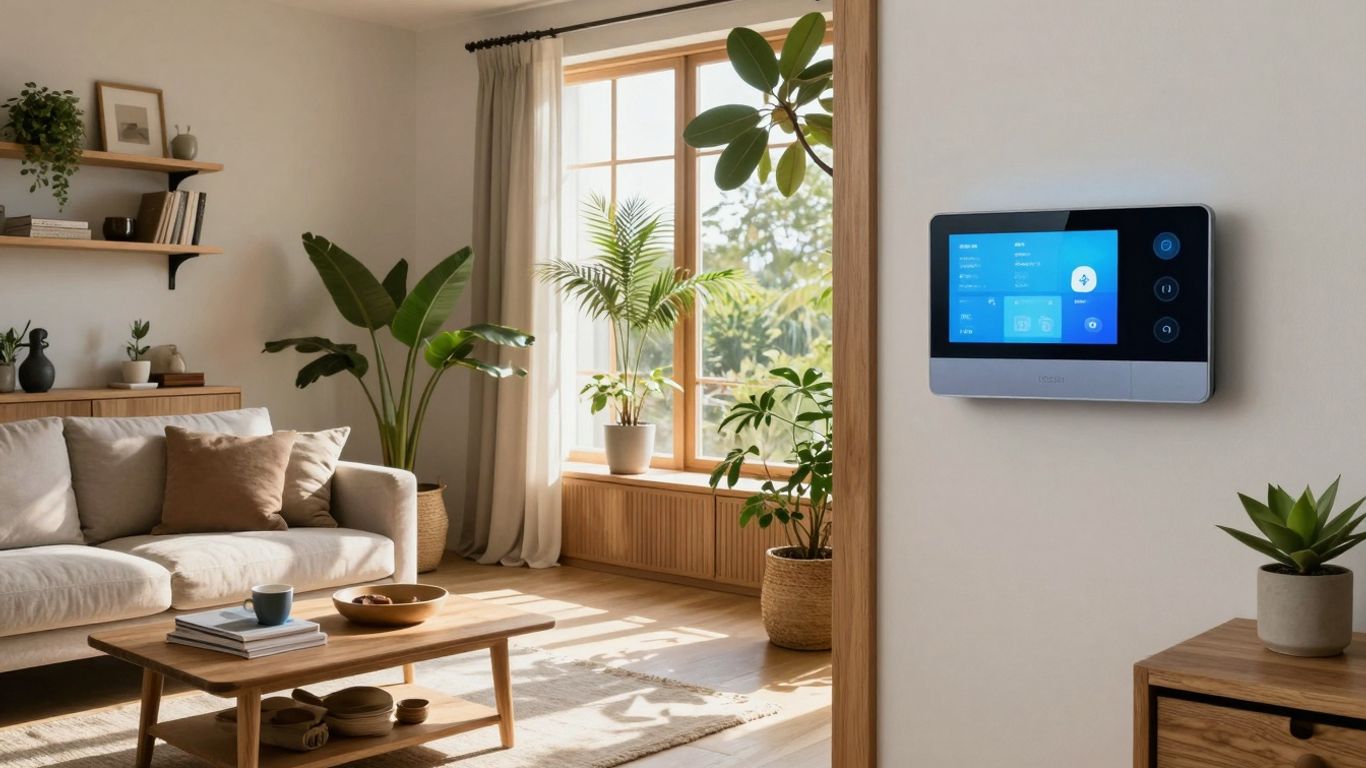
Right then, let’s chat about making your home a bit more clever and a lot kinder to the planet. As we head into 2026, it’s not just about how your place looks, but how it works for you and how it impacts the world around us. You’re probably noticing it already – there’s a real shift towards homes that are easier to manage and better for the environment. It’s less about flashy gadgets and more about sensible upgrades that make a genuine difference to your daily life and your bills.
Integrating Technology For Enhanced Convenience
Think about your home as a bit of a team player. Technology in renovations for 2026 is all about making things simpler, not more complicated. We’re talking about systems that learn your habits and make life smoother. For instance, smart thermostats are becoming a standard feature, not just a novelty. They can learn when you’re usually home and adjust the heating accordingly, saving you money and keeping you comfy without you having to lift a finger. Imagine coming home on a chilly evening to a perfectly warm house, all thanks to a thermostat that knows your schedule.
Beyond heating, lighting is another big area. You can set up lighting schedules, control them from your phone, or even have them react to movement. It’s handy for security, but also just nice to have the lights come on as you walk into a room. And it’s not just about big, obvious systems. Even smaller appliances are getting smarter. Think about fridges that can tell you when you’re running low on milk or ovens you can preheat on your way home from work. It’s about those little conveniences that add up, making your home feel more responsive to your needs.
Here’s a quick look at some tech you might consider:
- Smart Thermostats: Learns your schedule, saves energy, and can be controlled remotely.
- Smart Lighting: Set schedules, dim lights, change colours, and control via app or voice.
- Smart Security: Doorbell cameras, smart locks, and alarm systems that you can monitor from anywhere.
- Voice Assistants: Integrate with other smart devices for hands-free control.
It’s not about turning your home into a sci-fi movie set, but about using technology to make everyday tasks a bit less of a chore. You want your home to support your lifestyle, not demand constant attention.
Eco-Conscious Materials And Energy Efficiency
This is where things get really interesting for 2026. People are much more aware of their environmental footprint, and that’s definitely showing up in renovation choices. It’s not just a trend; it’s becoming a necessity. We’re seeing a big move towards materials that are better for the planet, and also ways to make our homes use less energy.
When you’re thinking about materials, it’s worth looking beyond the usual suspects. Recycled wood, for example, is becoming really popular. It looks great, has character, and means you’re not using up new resources. Paints with low VOCs (volatile organic compounds) are also a must. They’re better for the air quality in your home and for the environment. You might also see more use of natural materials like bamboo, cork, or reclaimed stone. These not only look good but often have a lower environmental impact.
Energy efficiency is another huge part of this. It’s not just about saving money on your energy bills, though that’s a big plus. It’s also about reducing your home’s overall energy consumption. This can mean a few things:
- Insulation: Making sure your walls, roof, and floors are well-insulated is probably the single most effective way to cut down on heating and cooling costs. It keeps the warmth in during winter and out during summer.
- Windows and Doors: Upgrading to double or triple-glazed windows and well-sealed doors makes a massive difference to heat loss.
- Efficient Appliances: When it’s time to replace white goods, look for the highest energy efficiency ratings you can find.
- Renewable Energy: While not for everyone, options like solar panels are becoming more accessible and can significantly reduce your reliance on the grid.
The focus in 2026 is on creating homes that are not only comfortable and stylish but also responsible. This means making informed choices about the materials you use and how your home consumes energy. It’s about long-term value, both for your wallet and for the planet.
So, when you’re planning your next renovation, think about how you can weave in these smart and sustainable elements. It’s about creating a home that feels good to live in, works efficiently, and treads a little lighter on the earth. It’s a win-win, really.
Personalisation And Craftsmanship In Renovation Trends 2026
Right then, let’s talk about making your place truly yours. In 2026, it’s all about moving away from those cookie-cutter looks and injecting some real personality into your home. Forget just following the latest fad; this is about creating spaces that tell your story and feel genuinely comfortable for you.
The Appeal Of Slow Design And Sentimental Decor
This is a big one. You know how things used to be made to last? Well, that’s making a comeback. ‘Slow design’ is basically the opposite of fast fashion for your home. It means taking your time, choosing items that are well-made, and thinking about where they come from. We’re talking about furniture that’s built to last for years, not just a season, and decor that has a bit of history or a story behind it. It’s about quality over quantity, really. Think about a beautifully crafted wooden table made by a local artisan, or a hand-knitted throw that feels extra cosy. These aren’t just things; they’re investments in comfort and character.
And it ties in perfectly with sentimental decor. Instead of clearing out everything old, people are embracing items that hold memories. That slightly chipped vase your nan gave you? Perfect. The old record player you found at a car boot sale? Brilliant. Mixing these personal treasures with newer pieces creates a home that feels lived-in and loved. It’s about creating a space that reflects your journey, not just a showroom.
Here’s a little breakdown of what this looks like:
- Handmade or Artisan Pieces: Look for items with visible craftsmanship – think pottery, textiles, or woodwork.
- Vintage and Second-hand Finds: Give pre-loved items a new lease of life. They often have more character than brand-new items.
- Heirloom Items: Don’t be afraid to display those pieces passed down through generations.
- Souvenirs and Travel Finds: Items picked up on holidays or trips can add a unique, personal touch.
The idea is to curate a home that feels authentic to you, a space that’s a collection of meaningful objects rather than just a display of the latest trends. It’s about comfort, connection, and a sense of belonging.
Textured Walls And Organic Shapes
Plain, flat walls are getting a bit of a makeover. In 2026, texture is key. We’re seeing a move towards walls that you almost want to reach out and touch. This could be through things like limewash paint, which gives a soft, slightly uneven finish, or even more dramatic options like Venetian plaster for a smooth, marble-like effect. It adds depth and warmth to a room in a way that a flat paint job just can’t.
Beyond just paint, think about materials like textured wallpaper, perhaps with a fabric feel or a subtle pattern. Even things like wood panelling, but maybe in a more modern, less traditional way, can add that tactile quality. It’s about creating visual interest and a more sophisticated feel.
This love for texture also extends to the shapes we’re seeing in furniture and decor. Gone are the sharp, rigid lines of some previous years. Instead, we’re embracing softer, more organic shapes. Think curved sofas that invite you to sink in, round coffee tables that encourage conversation, and lighting fixtures that mimic natural forms, like pebbles or leaves. These shapes feel more natural and calming, creating a more relaxed atmosphere in your home.
Here’s how you can bring these elements into your space:
- Wall Finishes: Consider limewash, micro-cement, or textured wallpapers.
- Furniture Shapes: Opt for sofas with rounded edges, circular tables, and curved accent chairs.
- Decorative Objects: Look for vases, bowls, and sculptures with irregular, natural forms.
- Lighting: Choose pendant lights or lamps with organic silhouettes.
Ultimately, the goal for 2026 is to create a home that feels like a true reflection of you, a sanctuary built with intention, personality, and a touch of timeless craftsmanship.
So, What’s Next for Your Place?
Right then, that’s a bit of a look at what’s likely to be popular for home makeovers heading into 2026. It seems like people are really leaning into making their homes feel more like a proper sanctuary, you know? Less about just looking flash for the ‘gram and more about comfort, natural bits, and things that actually feel good to live with. Whether you’re planning a big job or just a little spruce-up, keeping these ideas in mind might just help you create a space you’ll love even more. Good luck with whatever you decide to do with your place!