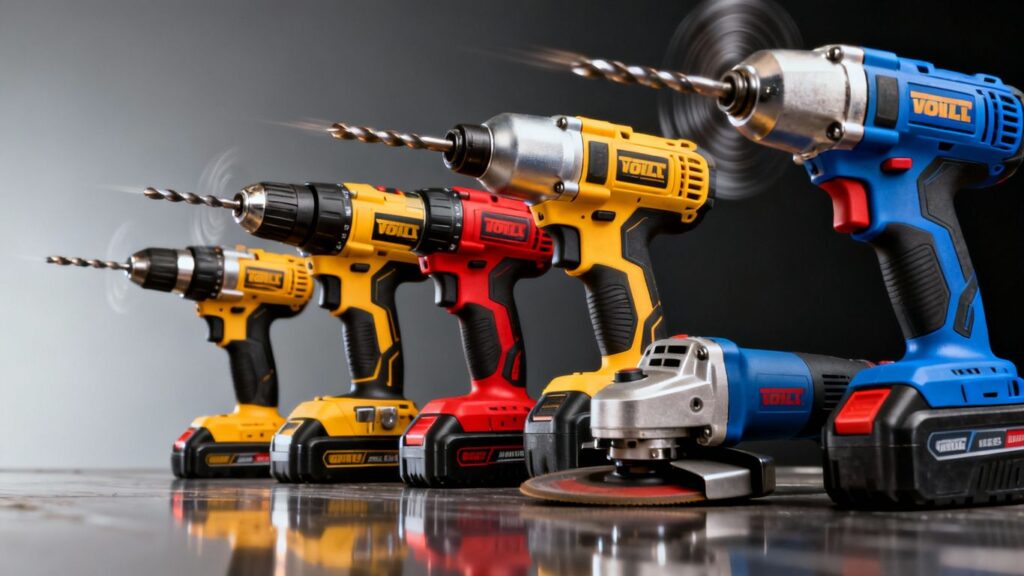
Alright, let’s talk about where power tools are heading. You’ve probably noticed things are changing fast, right? Gone are the days of just a basic drill and a saw. By 2026, the gear you’re using is going to be a whole lot smarter, tougher, and more connected. Whether you’re a seasoned pro or just tinkering on the weekend, you’ll want to know what’s coming. We’re looking at batteries that last ages, tools that practically think for themselves, and designs that are actually comfortable to hold all day. It’s an exciting time for anyone on the tools, and we’re going to break down what you need to know about power tools 2026.
Key Takeaways
- Get ready for power tools 2026 that are smarter, with built-in sensors and connectivity for real-time feedback on your phone.
- Cordless tech is king, with batteries charging faster and lasting longer, making those old cords a distant memory.
- Brands like DeWalt, Milwaukee, and Bosch are pushing the envelope with new battery tech, professional-grade features, and serious research.
- Expect tools to become more comfortable and safer, with lighter designs and features that help prevent injuries during long days.
- The future is AI-powered performance optimisation and IoT connectivity on site, meaning your tools will do more of the thinking for you.
The Evolving Landscape Of Power Tools 2026
Right then, let’s talk about where power tools are heading. It’s not just about getting more power these days, is it? The whole game is changing, and by 2026, you’ll notice a big difference in what’s available. Think smarter, more connected, and frankly, just more capable gear. It’s pretty exciting stuff, really.
Smarter, Connected, And More Capable Tools
Gone are the days when a drill was just a drill. We’re talking about tools that have brains now. By 2026, expect to see tools with built-in sensors that can tell you all sorts of things – like how much torque you’re using, how much battery is left, or even when it’s time for a bit of maintenance. All this info can ping straight to your phone or your jobsite management system. It’s like your tools are talking to you, telling you what they need.
- Tools with integrated IoT (Internet of Things) capabilities
- Bluetooth and Wi-Fi syncing to cloud-based jobsite dashboards
- Enhanced user safety through predictive monitoring
Manufacturers are pouring money into making tools more automated. This means they can adjust things like speed or pressure on their own, depending on what material you’re working with. It cuts down on mistakes and speeds things up, which is always a win.
The Rise Of AI In Your Toolbox
Artificial intelligence isn’t just for fancy robots anymore; it’s making its way into our toolboxes. AI-powered tools are going to help you work better by looking at how you use them, tweaking settings on the fly, and even responding to voice commands. Imagine a saw that automatically adjusts its blade speed because it knows what kind of wood you’re cutting. That’s the kind of thing we’re looking at, and it’s not that far off.
- Real-time error correction
- Predictive maintenance alerts
- Customised performance settings based on your usage history
Sustainable Design Takes Centre Stage
With everyone thinking more about the environment, the push for eco-friendly tools is getting serious. By 2026, you’ll see more tools made from recycled or sustainable materials. They’ll also have more energy-efficient motors and packaging that creates less waste. Plus, longer-lasting batteries mean fewer end up in landfill. It’s good for the planet and, in the long run, good for your wallet too. It’s a bit like choosing an electric forklift over a diesel one; there are benefits to both the user and the environment.
Cordless Revolution Continues For Power Tools 2026
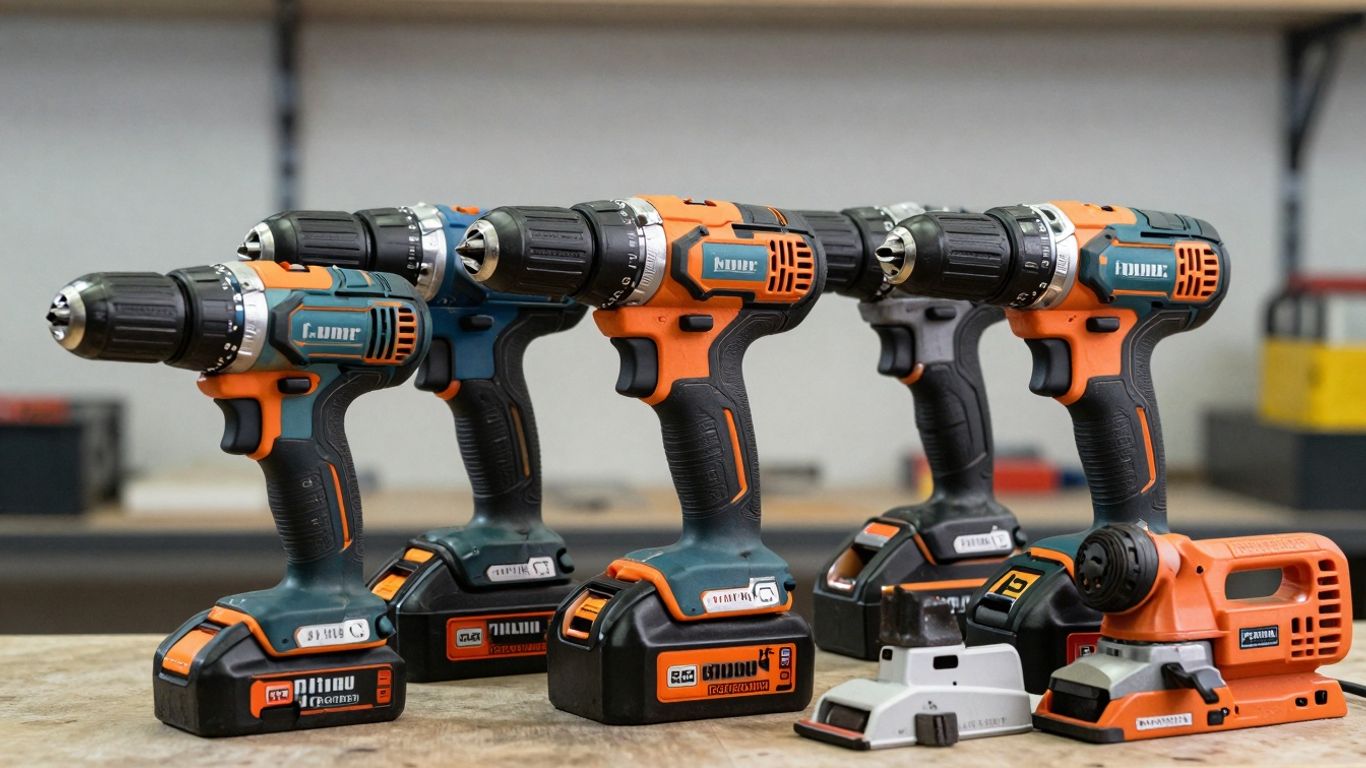
Right then, let’s talk about the cordless revolution. It’s not really a revolution anymore, is it? More like the new normal. Gone are the days of tripping over cables or hunting for the nearest extension lead. By 2026, you’ll find that going cordless is pretty much standard, and honestly, you’ll wonder how you ever managed without it. The power and performance you get from these tools now are seriously impressive, often matching their corded counterparts.
Battery Breakthroughs: Faster Charging, Longer Lasting
This is where the real magic is happening. You know how frustrating it is when your battery dies halfway through a job? Well, manufacturers are pouring a lot of effort into making that a thing of the past. We’re seeing batteries that can charge up in a fraction of the time they used to, meaning less downtime and more getting on with it. Plus, they’re lasting longer on a single charge, which is a massive win for anyone spending all day on site. It’s all about keeping you working without interruption.
- Faster recharge times: Get back to work quicker than ever.
- Extended runtimes: Power through more tasks on a single charge.
- Improved battery management: Smarter systems prevent overcharging and overheating.
The focus is on making sure your tools are ready when you are, cutting down on those annoying waits and keeping your workflow smooth.
Cross-Platform Compatibility: A Tradie’s Dream
This is a big one for anyone who uses a variety of tools. Imagine being able to use the same battery across different brands or at least across a whole range of tools from one brand. It’s becoming a reality. This means fewer batteries to keep track of, less clutter in your van, and the ability to grab any tool and know your battery will fit. It’s a move towards a more unified and efficient setup for professionals and serious DIYers alike. It really simplifies things when you’re out on a job, and you can find out more about how the trades industry is changing.
Brushless Motors: Efficiency And Durability
If you’ve been keeping an eye on power tools, you’ll have noticed brushless motors popping up everywhere. And for good reason. These motors are a game-changer. They’re more efficient, meaning they use less battery power to do the same job, which ties back into those longer runtimes we just talked about. They also tend to last longer because there are fewer parts to wear out. This means less maintenance for you and a tool that keeps performing at its best, job after job. It’s a win-win for durability and performance.
Leading Brands Shaping Power Tools 2026
Right then, let’s talk about the big names that are really pushing the boat out in the power tool world for 2026. You’ve probably got your favourites already, but it’s worth keeping an eye on how these companies are innovating. They’re not just making tools; they’re thinking about how you use them, how long they’ll last, and even how they affect the planet.
DeWalt’s Innovative Battery Technology
DeWalt’s been busy, especially with their batteries. They’re not just about making them last longer, though that’s a big part of it. Think about getting more done on a single charge, meaning fewer trips back to the van or the charger. They’re also looking at how quickly you can get that power back. This means less downtime and more actual work getting done, which is what we all want, isn’t it? They’re also trying to make sure their batteries play nice with a whole range of their tools, so you’re not stuck with a dead battery for one specific drill.
Milwaukee’s Professional Edge
Milwaukee has always had a reputation for being tough and reliable, and they’re not letting up. For you pros out there, they’re focusing on tools that can handle the really demanding jobs. This often means looking at the guts of the tool – things like brushless motors that give you more power and make the tool last longer. They’re also big on making sure their tools are comfortable to use, even when you’re on site all day. You’ll find they’re often ahead of the curve with new features that genuinely make your job easier and safer.
Bosch’s Commitment To R&D
Bosch is another company that you can rely on for solid engineering. They’re putting a lot of effort into research and development, which translates into tools that are both smart and efficient. You might see them introducing new battery tech that gives you a significant boost in runtime compared to older models. They’re also keen on making their tools more user-friendly, with better ergonomics and safety features built-in from the start. It feels like they’re always trying to find that sweet spot between performance, durability, and making the tool a pleasure to use, even for the toughest tasks.
Ergonomics And Safety In Power Tools 2026
Reducing Fatigue With Lighter, Slimmer Designs
Ever finish a long day on site and feel like your arms are about to fall off? We’ve all been there. Thankfully, manufacturers are really starting to get it. By 2026, you’ll notice a big shift towards tools that feel less like a workout and more like an extension of your own body. Think slimmer grips that fit your hand better, and lighter overall designs. This isn’t just about comfort; it means you can work for longer without getting worn out, which is a massive win for productivity and your own well-being.
Enhanced Safety Features Becoming Standard
Safety used to be something you had to actively seek out, but that’s changing. Features that were once considered premium are now becoming standard across the board. You’ll find more tools coming with things like kickback control, which stops the tool if it binds up unexpectedly, and soft-start technology that gradually ramps up the speed. This means fewer nasty surprises and a much safer working environment for everyone. It’s good to see that manufacturers are taking this seriously, especially when you consider the potential dangers of some tasks. For more on keeping safe, especially with woodworking, check out this guide on woodturning safety practices.
User-Centric Design For Demanding Jobs
It’s not just about making tools lighter or safer; it’s about making them work with you. This means manufacturers are spending more time actually watching how people use their tools in real-world conditions. They’re looking at how you hold it, how you move, and what gets in the way. The result? Tools with better balance, less vibration that rattles your bones, and controls that are easier to reach and operate, even when you’re wearing gloves. It’s all about making those tough jobs just a little bit easier and a lot less taxing on your body.
The focus on user experience is a game-changer. It’s moving beyond just raw power and into how the tool actually feels and performs in your hands throughout the entire workday. This thoughtful design approach is what separates good tools from great ones, especially when you’re relying on them day in and day out.
The Future Of Power Tool Technology
Right then, let’s have a look at what’s coming next for your power tools. It’s not just about more power or longer battery life anymore, though those are still important. We’re talking about tools that are genuinely smarter, almost like they’ve got a bit of a brain in them.
AI-Powered Performance Optimisation
So, imagine this: you’re cutting through some tricky material, and your saw just… knows. It figures out the best speed and pressure to use all by itself. That’s the kind of thing Artificial Intelligence is bringing to the table. It’s not about replacing you, but about making your job easier and the results better. These tools will learn how you work and adjust settings on the fly, meaning fewer mistakes and less hassle. Think of it as having a really experienced mate looking over your shoulder, but one that never gets tired and always knows the right setting.
Internet Of Things Connectivity On Site
This is where things get properly connected. By 2026, you’ll see more tools talking to each other and to your phone or tablet. This means you can keep track of your gear, see how much battery life is left on everything, and even get alerts if a tool needs a bit of maintenance before it actually breaks down. It’s all about making your job site run smoother. You could have a central dashboard showing the status of all your tools, helping you manage your workflow and avoid those annoying "where’s my drill?" moments.
Automation For Increased Productivity
Automation in power tools isn’t just for big factories anymore. We’re seeing it creep into the tools you’ll be using every day. This could mean tools that automatically adjust their settings based on the material, or even systems that help you with repetitive tasks. The goal is simple: get more done, faster, and with less effort. It’s about making those long days a bit more manageable and letting you focus on the skilled parts of the job, rather than the grunt work.
The next wave of power tools is shaping up to be less about brute force and more about smarts. Expect tools that anticipate your needs, communicate with your devices, and generally make your life on site a whole lot easier and more productive. It’s an exciting time to be kitting out your toolbox.
So, What’s Next for Your Toolbox?
Right then, it’s pretty clear the tools you’re using are only going to get smarter and tougher. Whether you’re a seasoned pro or just tinkering on the weekends, keeping an eye on these brands is a good shout. The days of basic gear are fading fast, and frankly, who wouldn’t want a drill that practically thinks for itself? It’s all about making your life easier and the job get done quicker, so maybe it’s time to start eyeing up that next bit of kit. You’ll thank yourself later, probably when you’re not wrestling with a dodgy battery on a cold Tuesday morning.