So, you’re thinking about sprucing up your outdoor space for 2026? It’s a good idea to get ahead of the curve. We’re seeing some pretty cool shifts in how people are using their yards and patios, making them more than just places to chuck a deckchair. It’s all about making them work harder, look better, and feel like a proper extension of your home. Let’s have a look at what’s shaping up to be big in outdoor living trends.
Key Takeaways
- Think about your outdoor area like another room in the house, planned out properly from the start. This means everything has its place, from where you’ll be cooking to where you’ll just be chilling out.
- Materials are changing. Instead of flashy stuff that dates quickly, people are leaning towards things that feel nice to touch, look good for ages, and generally keep things calm and classy.
- Outdoor rooms are becoming more defined. You’re not just getting a patio; you’re getting a dining zone, a lounging zone, maybe even a quiet spot for a cuppa, all working together.
Embracing Architectural Harmony In Outdoor Living Trends
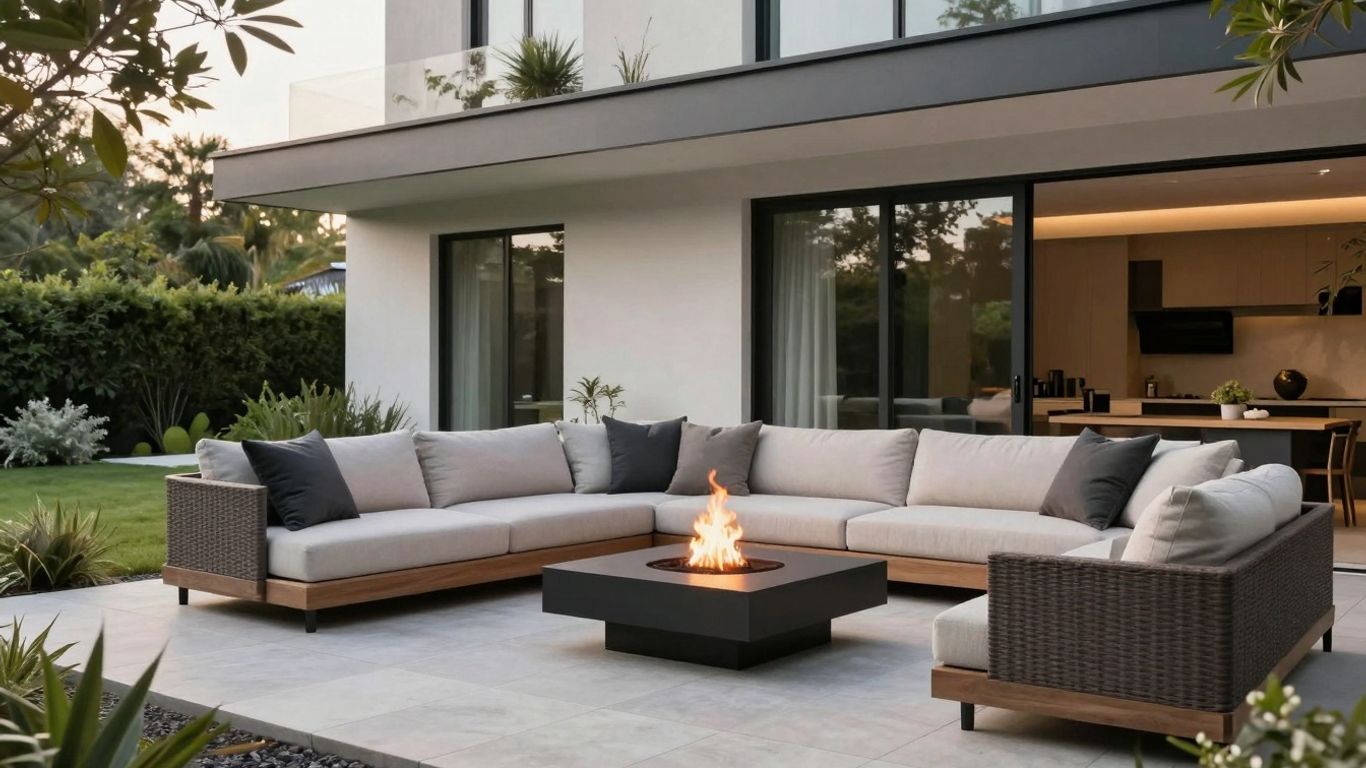
You know, it’s easy to get carried away with all the exciting new gadgets and gizmos for your garden. But when you’re planning your outdoor space for 2026, think about how it all fits together, like a proper house extension. We’re talking about making your garden feel like a natural part of your home, not just a collection of bits and bobs.
Architecture-Led Planning For Seamless Integration
Forget just plonking a patio here and a shed there. The big idea for 2026 is to plan your whole outdoor area from the ground up, with your house as the starting point. It’s about creating a flow, so when you step outside, it feels like you’re just moving into another room, but with fresh air. Think about how the lines of your house, like window frames or roof edges, can guide where you put things outside. This means your outdoor kitchen, your comfy seating area, or even a quiet spot for a cuppa, all have a purpose and a place that makes sense.
It’s like drawing a map before you go on a trip. You figure out the best route, where to stop, and what to see, all connected. For your garden, this means:
- Mapping out movement: How will you walk from the back door to the dining area? Does it feel natural?
- Sightlines: What do you want to see from your favourite chair? Maybe a nice planting or a water feature.
- Defining zones: Clearly setting out areas for cooking, relaxing, or even a bit of yoga, so they don’t all blend into one.
The goal is to make your outdoor space feel like it was always meant to be there, perfectly suited to your home and how you live. It’s not about adding things; it’s about building a cohesive environment.
When you plan with architecture in mind, you’re not just decorating; you’re creating a functional extension of your home that feels right, looks good, and works for you day in, day out. It’s about making sure the outside matches the inside, in terms of comfort and style.
Bioclimatic Shading For Year-Round Comfort
Ever wished you could use your patio more, even when the sun’s blazing or there’s a bit of a chill in the air? Well, for 2026, that’s becoming a reality. We’re seeing more and more clever shading systems that aren’t just about blocking the sun; they’re about controlling the whole environment. Think of them as smart roofs for your outdoor rooms.
These aren’t your grandad’s old awnings. We’re talking about modern pergolas with louvred roofs that you can adjust with a remote. You can tilt the slats to let in just the right amount of sun, keep out a sudden shower, or even create a gentle breeze. Some even have built-in lights and heaters, turning your patio into a cosy spot even when the weather’s not playing ball.
Here’s what makes them so good:
- Adjustable Comfort: You control the light and shade, making it perfect for lunch on a sunny day or a quiet evening.
- Weather Protection: They can handle light rain, meaning you don’t have to dash inside at the first sign of a drizzle.
- Extended Use: With added features like heating and lighting, you can enjoy your outdoor space for more months of the year.
These systems are designed to blend in with your home’s architecture, looking sleek and modern rather than bulky or out of place. They offer a flexible way to create comfortable outdoor zones that you can adapt to the changing weather, making your garden a true extension of your home, whatever the season.
Evolving Material Palettes And Functional Zones In Outdoor Living
Right then, let’s talk about what your outdoor space is actually made of and how you’ll use it. It’s not just about slapping down a few chairs anymore, is it? We’re seeing a real shift towards materials that feel good to touch and look like they’ll last, not just for a summer or two, but for years. Think about it – you want your patio or garden to feel like a proper extension of your home, a place you can actually live in, not just a place to put the bins.
Quiet, Tactile, And Enduring Material Choices
Forget anything too flashy or that screams ‘look at me’. The trend for 2026 is all about materials that whisper rather than shout. We’re talking about natural stuff like stone, wood, and fine aggregates, alongside porcelain that has a bit of subtle character. These aren’t just pretty to look at; they’re chosen because they feel nice underfoot or when you lean against them. Imagine a rough-hewn stone wall or a smooth, weathered wooden bench – these textures add a real depth to your space. It’s about creating a calm atmosphere where the planting, the light, and the overall shape of the area can really shine.
We’re seeing a lot of recycled and composite materials too, which is brilliant. Things made from old plastic bottles, factory offcuts, or even ground-up minerals are being shaped into forms that mimic natural materials. They often look like wood grain or a linen weave, but they’re usually tougher, easier to clean, and don’t soak up water like the real thing. This means your furniture and paving can look great for longer, even if the colour fades a bit or the texture changes over time – that’s part of their charm, really. It’s about building something that ages gracefully.
Here’s a quick rundown of what to look out for:
- Stone: Think natural flagstones, slate, or even reconstituted stone with a bit of grit. They offer a solid, grounded feel.
- Wood: Look for sustainably sourced hardwoods or treated softwoods that can handle the weather. A bit of natural grain is always a winner.
- Porcelain: Modern porcelain tiles and slabs are incredibly durable and come in a huge range of finishes, from matte to slightly textured.
- Composites: These are your eco-friendly options, often made from recycled plastics and wood fibres. Great for decking or furniture.
The key here is to choose materials that feel good to interact with and that will stand the test of time. It’s less about chasing the latest fad and more about building a space that feels right, year after year.
Purpose-Driven Outdoor Rooms And Layouts
So, you’ve got your lovely new materials, but what are you actually going to do in your outdoor space? The big idea for 2026 is to design these areas like you would rooms inside your house, each with a specific job. It’s not just a garden; it’s your outdoor kitchen, your chill-out lounge, your dining spot, maybe even a little wellness corner.
This means thinking about how you move around. You don’t want to be tripping over things or feeling cramped. Layouts are becoming more flexible, almost like modular furniture indoors. You might have seating that can be rearranged easily, so you can shift it to catch the sun or make more space for guests. It’s about creating zones that flow into each other but still have a clear purpose.
Consider these functional zones:
- Cooking & Dining: This could be a full outdoor kitchen setup with a grill and prep space, or simply a sturdy table and chairs for al fresco meals.
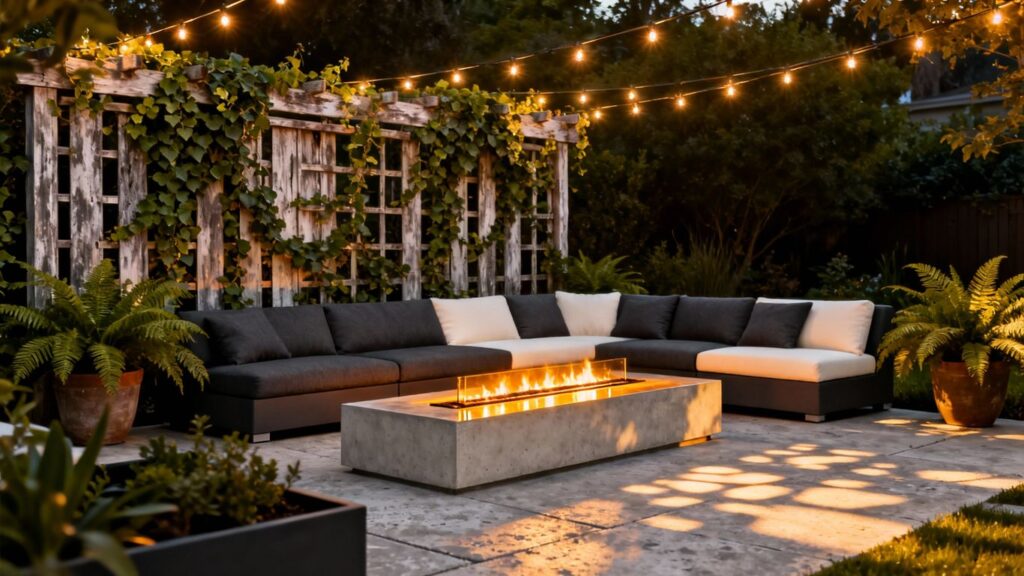
- Lounging & Relaxing: Think comfortable seating, maybe a fire pit for cooler evenings, and soft lighting to create a cosy atmosphere.
- Working or Hobbies: Some people are even creating dedicated outdoor workspaces or craft areas, especially if they have a bit more room.
- Play Area: For families, a safe and designated space for children to play is often a key consideration.
The goal is to make your outdoor area work harder for you, fitting into your daily life. It’s about planning these spaces from the start, so they feel like they were always meant to be there, rather than being an afterthought. Think about where the sun hits at different times of the day, where the wind comes from, and how you naturally move between your house and your garden. Getting this right means your outdoor space becomes a truly usable and enjoyable part of your home.
So, What’s Next for Your Backyard?
Right then, looking at all these ideas for 2026, it’s pretty clear that our outdoor spaces are getting a serious upgrade. You’re not just chucking a few chairs on the lawn anymore. It’s all about making your backyard work harder, feel more like a proper room, and last longer too. Think smart planning, materials that can handle whatever the weather throws at them, and spaces that actually fit how you live. So, whether you’re after a quiet spot to read or a place to properly entertain, there’s definitely a trend out there to get you started. Time to get planning, eh?