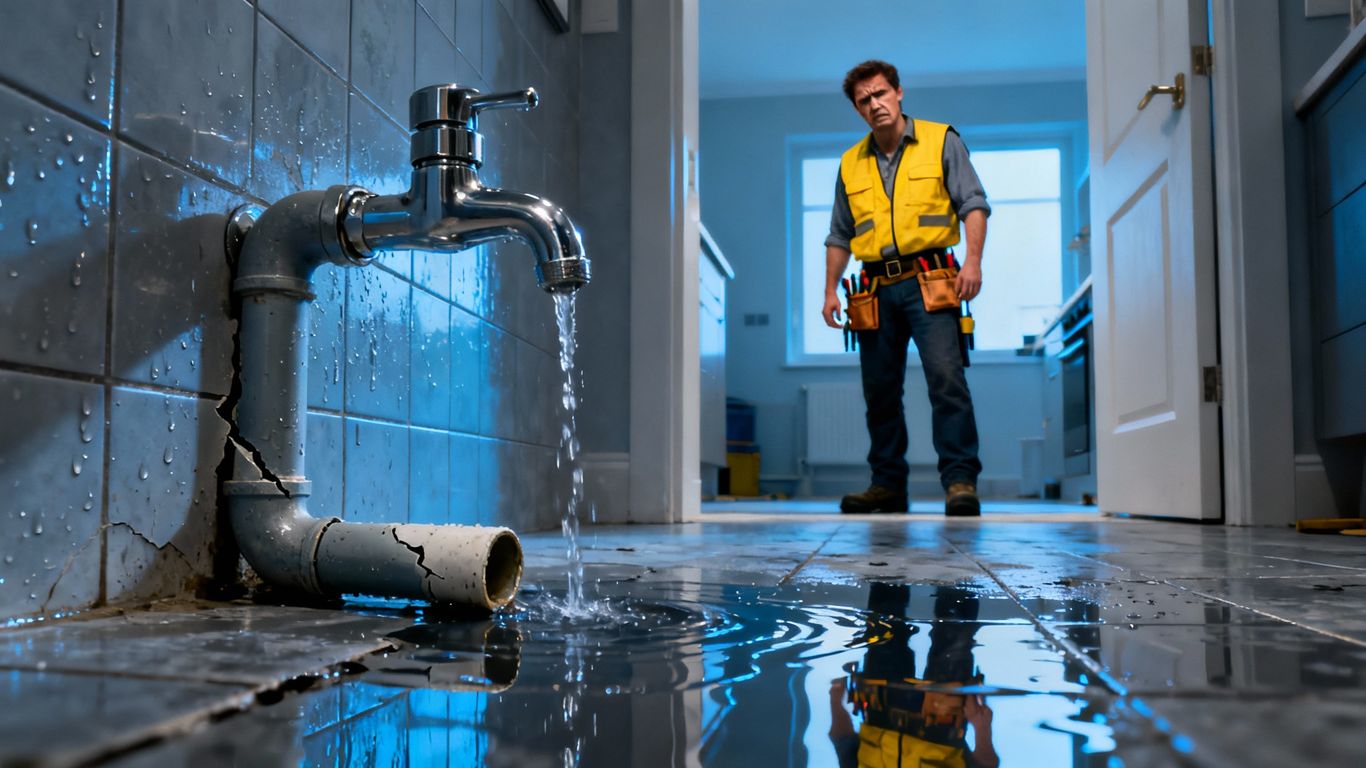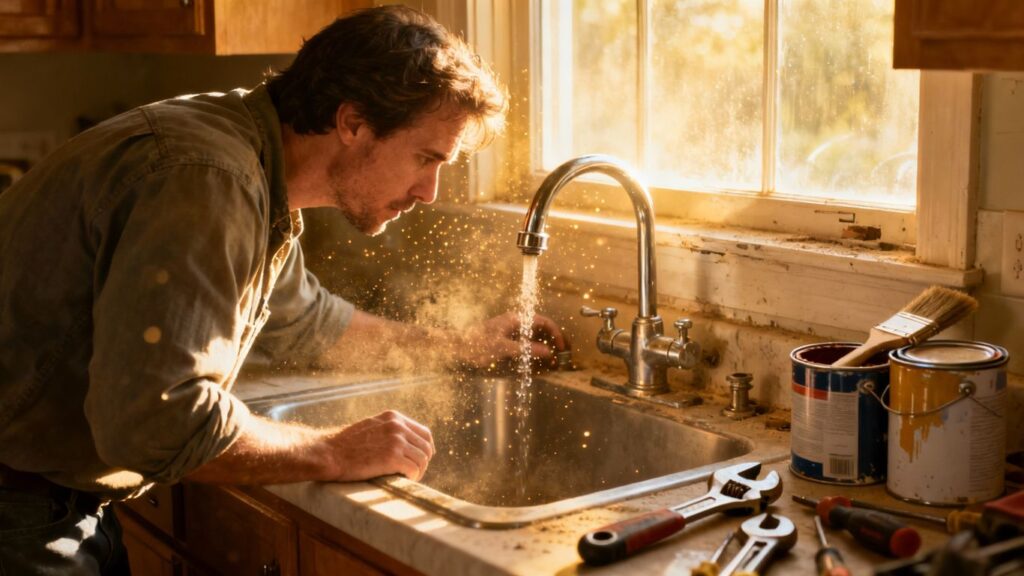
So, you’ve got a place here in Aotearoa and you’re thinking about what might go wrong next with it? It’s smart to get ahead of the game, especially when it comes to home repairs. Things pop up, don’t they? One minute the tap’s fine, the next it’s doing a leaky impression of a leaky tap. This guide is here to help you get a handle on those costs, so you’re not caught out when the next bit of the house decides to throw a wobbly. We’ll look at what you can expect to fork out and how to stash away a bit of cash for when the inevitable happens. Understanding home repair costs NZ wide is the first step to a stress-free homeownership experience.
Key Takeaways
- DIY might seem like a money-saver, but getting it wrong can cost you more in the long run, especially with tricky jobs like plumbing or electrical work.
- When you’re looking at home repair costs NZ wide, remember that location, the type of repair, and whether you use a professional all play a big part in the final price.
- Setting aside money regularly for both planned maintenance and those unexpected dramas is the smartest way to keep your home in good nick without stressing the bank account.
Understanding Home Repair Costs in New Zealand
Right then, let’s get down to brass tacks about what you might be looking at when it comes to fixing things up around your place here in New Zealand. It’s easy to get a bit of a shock when you start getting quotes, and honestly, it’s a bit of a mystery for a lot of people where those numbers even come from. You see a fancy bathroom renovation in a magazine costing tens of thousands, or maybe a mate mentions a quick fix they had done for a couple of grand. But how do you figure out what your leaky tap or dodgy fence is actually going to set you back?
The True Cost of DIY vs. Professional Repairs
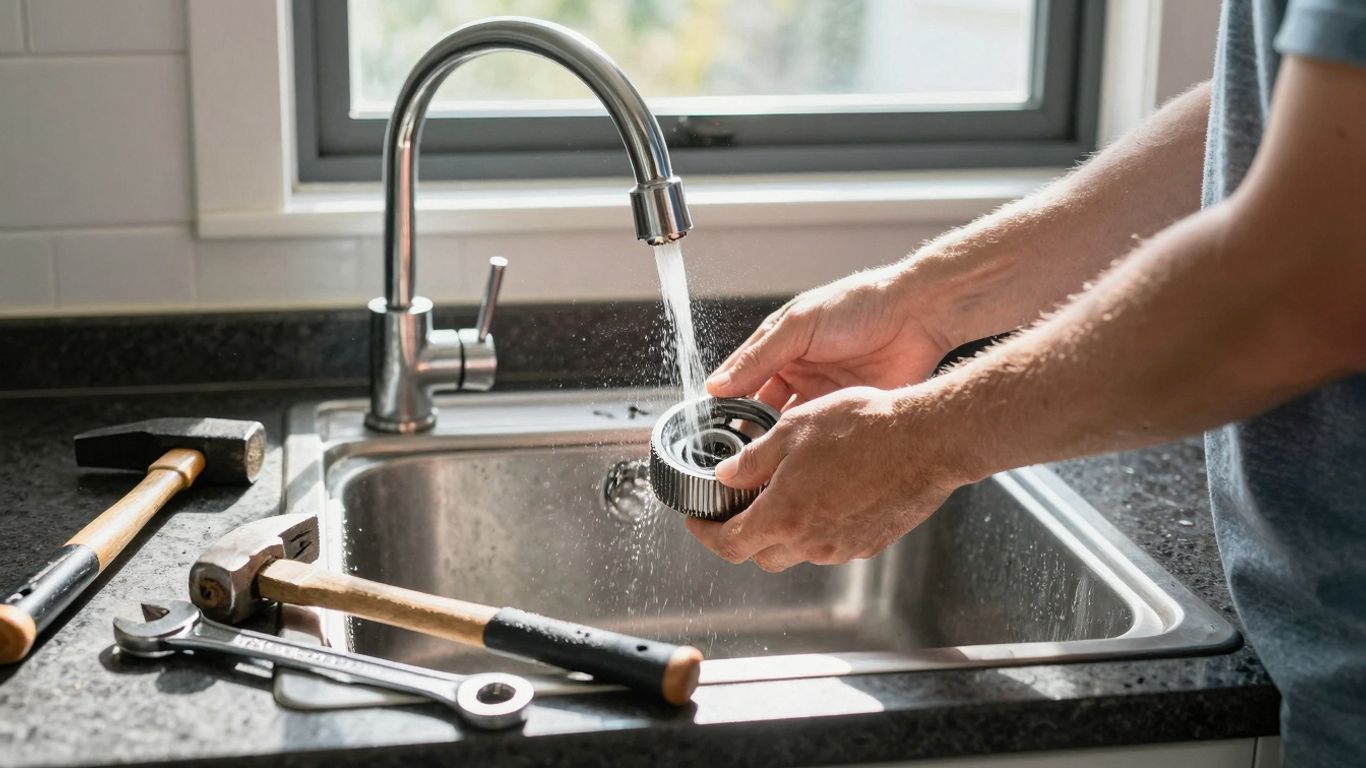
So, you’ve spotted a problem. Maybe it’s a dripping tap, a squeaky door, or perhaps something a bit bigger like a cracked tile in the shower. Your first thought might be, "I can totally do this myself!" And sometimes, you absolutely can. For simple jobs, grabbing a few tools and following a YouTube tutorial can save you a fair bit of cash. Think about replacing a light fitting or maybe even painting a room. These are often straightforward tasks where your time and effort are the main costs.
However, it’s not always that simple. What looks like a quick fix can quickly turn into a much bigger headache. You might start taking apart that leaky tap only to find the pipework behind it is corroded and needs replacing. Or that small crack in the wall? It could be hiding damp or structural issues that need a professional eye. The real cost of DIY isn’t just the materials you buy; it’s also the time you spend, the potential for making the problem worse, and the cost of calling in a pro anyway when you get stuck.
Professionals, on the other hand, come with experience and the right tools. They know what to look for, how to do the job safely and correctly, and they usually offer a guarantee on their work. While you’ll pay for their time and skill, you often get peace of mind and a job done right the first time. It’s about weighing up the savings against the risks and the potential for extra costs down the line if a DIY job goes pear-shaped.
Here’s a rough idea of how costs can stack up:
| Job Type | DIY Estimated Cost (Materials Only) | Professional Estimated Cost (Labour & Materials) |
|---|---|---|
| Leaky Tap Repair | $20 – $50 | $100 – $250 |
| Painting a Small Room | $100 – $200 | $300 – $600 |
| Replacing a Fence Panel | $50 – $100 | $200 – $400 |
| Minor Electrical Fix | (Not Recommended) | $150 – $300 |
| Small Bathroom Update | $500 – $1,500 | $3,000 – $8,000+ |
Factors Influencing Home Repair Expenses
So, why do some jobs cost so much more than others? It’s not just about the size of the problem. Several things can push the price up or down:
- Materials: The quality and type of materials you choose make a big difference. Are you going for basic, hard-wearing options, or are you eyeing up imported tiles and designer fixtures? Even something like paint can vary wildly in price depending on the brand and finish.
- Labour Costs: This is a big one. Tradespeople in New Zealand have their own overheads – insurance, tools, vehicles, training – and they need to earn a decent living. Their hourly rates reflect their skills and experience. A job that looks simple might involve hidden complexities that only an experienced tradesperson can handle efficiently.
- Accessibility and Complexity: Is the repair in a hard-to-reach spot, like under the floorboards or in a tight roof space? Does it involve moving walls, rerouting plumbing, or dealing with old, outdated wiring? The more difficult or complex the job, the more time and specialised skills it will require, and that means higher costs.
- Unexpected Issues: This is where things can really get hairy. You might plan to replace a few tiles in your shower, only to discover significant water damage behind them that needs addressing. Or you might be renovating a kitchen and find asbestos that needs careful removal. These unforeseen problems can add a substantial amount to your budget.
It’s really tough for homeowners to guess repair costs because they just don’t have the day-to-day experience that tradespeople do. You can see the price of a new tap, or maybe hear about a basic bathroom renovation costing a few thousand. But you don’t see the hidden work, like fixing old pipes, upgrading wiring, or dealing with structural issues that a professional has to account for. This gap in knowledge often leads to unrealistic expectations about what a job will actually cost.
- Location: Costs can vary depending on where you are in New Zealand. Major cities might have higher labour costs compared to smaller towns, simply due to demand and the cost of living.
- Urgency: If you need a repair done urgently, especially outside of normal working hours, you’ll likely pay a premium for that speed and convenience.
Understanding these factors can help you get a more realistic picture when you start planning your home repairs and budgeting for them. It’s always better to get a few quotes and ask plenty of questions to understand what you’re paying for.
Budgeting for Essential Home Maintenance
Right then, let’s talk about keeping your place shipshape without completely emptying your wallet. It’s easy to get caught up in the big renovations, but honestly, the real money-savers are the regular bits of upkeep. Think of it like looking after your car – you wouldn’t just drive it until it breaks down, would you? Same goes for your home.
Allocating Funds for Preventative Care
This is where you get ahead of the game. Instead of waiting for that leaky tap to turn into a waterlogged disaster, or that dodgy roof tile to cause a ceiling collapse, you set aside a bit of cash regularly. It’s about being proactive, not reactive. You know, those little jobs that stop the big, expensive ones from happening.
Here are some common areas to keep an eye on and budget for:
- Gutter Cleaning: Especially important here in New Zealand with our changeable weather. Clogged gutters can lead to water damage to your roof, walls, and even your foundations. Aim for at least twice a year, maybe more if you have lots of trees nearby.
- Roof Inspections: A quick look-over every couple of years can spot loose or damaged tiles before they become a real problem. It’s much cheaper to replace a few tiles than to deal with water damage inside.
- Plumbing Checks: Keep an ear out for dripping taps or running toilets. These aren’t just annoying; they waste water and can signal a bigger issue brewing.
- Electrical Safety: Get your wiring checked periodically, especially in older homes. Faulty wiring is a serious fire hazard.
- Pest Control: Regular treatments can prevent infestations that can cause structural damage or health problems.
- Exterior Painting & Sealing: Protecting your home’s exterior from the elements is key. This includes checking and reapplying sealant around windows and doors.
Setting aside a small percentage of your home’s value each year for maintenance is a smart move. It might seem like a lot at first, but trust me, it’s a fraction of what a major repair would cost.
Planning for Unexpected Issues
Even with the best preventative care, things happen. A storm might knock down a tree, or an appliance might just give up the ghost. That’s why you need a separate pot of money for those ‘oh no!’ moments. This isn’t for the routine stuff; this is your emergency fund for home repairs.
Think about the potential big hitters:
- Appliance Failures: Your washing machine, dishwasher, or hot water cylinder could decide to retire without warning.
- Plumbing Emergencies: A burst pipe can cause a huge amount of damage very quickly.
- Heating/Cooling System Breakdowns: Especially problematic during extreme weather.
- Structural Issues: While less common, things like foundation cracks or significant roof damage can crop up.
How much should you aim for? It’s tricky, as every home is different. A good starting point is to aim for a fund that can cover at least one major repair. Some people suggest saving 1-4% of your home’s value annually for all home maintenance and repairs, with a portion of that specifically for unexpected events. For example, if your home is worth $600,000, aiming to save $6,000-$24,000 per year for all home-related costs is a good ballpark. You’d then split that between preventative care and your emergency fund.
It’s easy to get overwhelmed by the sheer number of things that can go wrong with a house. The key is to break it down. Focus on the most common issues first, and then build up your savings gradually. Don’t try to do it all at once; just make a start and be consistent.
So, you’ve got your regular maintenance fund, and you’ve got your ‘just in case’ fund. It might feel like a lot of saving, but it’s about peace of mind. Knowing you can handle a problem when it arises without having to take out a loan or stress yourself silly is worth its weight in gold. Plus, a well-maintained home is a happier home, right?
So, What’s Next?
Right then, you’ve armed yourself with a better idea of what to stash away for those inevitable home repairs in 2026. It’s not about having a crystal ball, but more about being sensible and prepared. Think of it like packing for a trip to Wellington – you know there’s a good chance of rain, so you chuck in a jacket just in case. Your home’s the same; it’s a big investment, and a little foresight goes a long way. So, get that budget sorted, and you can tackle whatever pops up with a bit more peace of mind. Happy fixing!