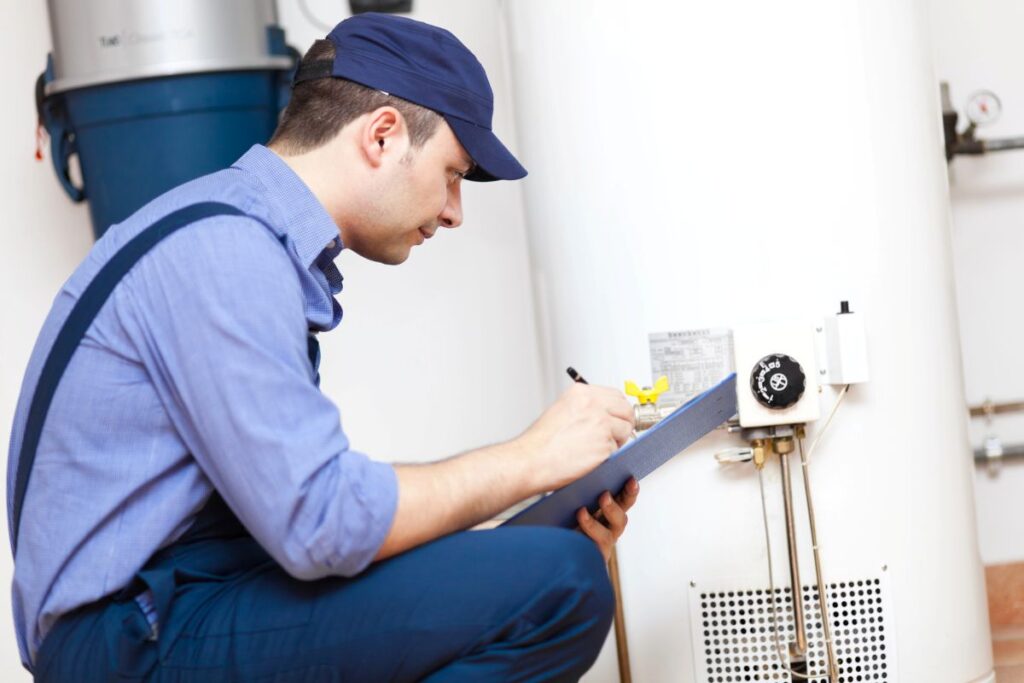
Gas work rarely feels like good timing. A heater dies mid-winter, the hob smells off, or a hot water system fails just as guests arrive. When the call goes out to a gas fitter Wellington homeowners can trust, the real worry is often what the invoice will look like. Gas fitting is specialist, licensed work, and the pricing can seem confusing from the outside.
This guide breaks down how gas fitting costs work, what a fair invoice looks like, and how to stay in control of the bill when hiring a gas fitter in the Wellington region.
TL;DR
- Gas fitting is licensed, high-risk work, so costs reflect not just time on the tools but training, safety checks, travel and compliance requirements.
- A typical invoice from a gas fitter in Wellington includes a call-out fee, travel component, labour, parts and sometimes certification or paperwork.
- Quotes work best for clearly defined jobs, while estimates suit older or unknown systems where hidden faults and access issues can change the scope.
- Most bill shock happens when extra safety work or tricky access was not discussed in advance, so clear expectations and agreed budget limits are crucial.
- Providing good information upfront, keeping appliances serviced and choosing an experienced, licensed gas fitter Wellington homeowners can rely on helps keep costs fair, predictable and safe.
Why Gas Fitting Is Never a “Quick Cheap Job”
Gasfitting is tightly regulated in New Zealand. Anything that involves installing, altering, repairing or testing gas appliances or pipework must be done by a licensed or certified gasfitter. That legal requirement adds responsibility, training and compliance to every job, even small ones.
There is also the safety factor. Poor gas work risks fire, explosion or carbon monoxide poisoning. A competent gas fitter in Wellington does more than fix the obvious fault; the system is checked for leaks, venting and combustion. Those checks take time, but they are a key reason serious incidents stay rare.
Wellington’s housing stock adds another layer. Older villas, steep sites, tight subfloors and retrofitted additions often hide messy or outdated work. Getting to the pipework can be half the job. What looks from the kitchen like a quick hob swap can involve crawling under a house in mud and wind.
All of that means gas fitting work is priced more like professional services than a quick handyman visit. It is skilled, licensed trade work that carries real risk if done badly.
What a Fair Gas Fitting Invoice Looks Like in Wellington
Although every business has its own structure, most bills from a gas fitter Wellington residents call will share the same basic components. Understanding these helps separate reasonable charges from genuine concerns.
A typical invoice tends to include:
- A call-out fee or minimum charge to get to site
- Travel time or a built-in travel component
- Labour time on site (and sometimes off site for sourcing parts)
- Parts, fittings and any consumables used
On top of that, some jobs require compliance or gas certificates. Those are not just bits of paper; they are proof the work meets standards, and often a condition of insurance cover. Time spent testing and documenting is part of the job, and it will show on the invoice in some form.
In Wellington, access can also matter. Parking in the CBD, multi-storey apartments, or long, steep driveways in hillside suburbs all increase the time it takes to move tools and equipment. A fair invoice reflects the real time spent dealing with those realities, not just the minutes holding a spanner.
Call-Out Fees and Hourly Rates: Where the Money Really Goes
Call-out fees exist because no job starts at the front door. Time is spent loading the vehicle, travelling, and handling basic admin for the job. If that first hour is not covered, the business simply cannot operate.
Some gas fitters roll travel into a higher first-hour rate. Others charge a clear call-out fee plus a lower hourly rate on site. Either way, the goal is similar: cover the cost of sending a qualified gas fitter in Wellington across town with a fully stocked vehicle and safety gear.
Rates usually change outside standard hours. Evening, weekend and emergency visits cost more because they disrupt normal schedules and often require reshuffling other work. For true emergencies, including gas leaks, strong smells, or appliances giving off soot and headaches, that higher rate is still cheaper than the cost of waiting.
Paying more per hour does not always mean paying more overall. An experienced gas fitter who diagnoses quickly, carries the right parts and finishes in half the time can easily be better value than a cheaper but slower operator. The final figure, not the hourly rate, tells the real story.
Quotes vs Estimates: Getting Gas Fitting Prices in Writing
Many homeowners use “quote” and “estimate” as if they are the same thing. In practice, they are very different.
A quote is a firm price for clearly defined work. Once accepted, that price should only change if the scope changes or new problems are discovered. Quotes are realistic for well-understood jobs, such as installing a new gas hob where access and pipe sizing are already known.
An estimate is an informed guess based on what can be seen and described before the job starts. Older homes around Wellington often hide surprises: rotten framing behind a gas fire, inaccessible pipe runs, or previous unlicensed work. In those cases, an honest estimate will come with a range and clear notes about what could change.
A solid gas fitting quote or estimate should spell out:
- What is included and excluded
- Assumptions about access, condition and existing pipework
- Hourly or variation rates if extra work is needed
If a gas fitter that Wellington homeowners contact avoids written pricing altogether for non-urgent work, that is worth questioning.
Common “Bill Shock” Traps for Wellington Homeowners
Bill shock usually does not come from outright overcharging. It comes from poor expectations. A job looks simple from the outside, so the final number feels unreasonable even when the time and materials are justified.
Access is a major culprit. Pipework buried behind gib, tiled walls, or tight cabinetry can turn a 30-minute swap into a half-day project. Each extra hour adds labour and sometimes additional parts to make the new layout safe and compliant.
Another common trap is older or non-compliant installations. When an appliance is replaced, the gas fitter becomes responsible for the safety of the full installation, not just the new unit. If pipe sizing, venting or isolation valves are substandard, those issues must often be corrected. That extra work protects the home, but it also inflates the invoice.
Clear communication up front helps here. Talking about possible complications, setting a budget range, and agreeing on a “call before going over X dollars” point gives everyone a line in the sand before tools come out.
Keeping Gas Fitting Costs Under Control (Without Cutting Corners)
Cost control starts before picking up the phone. Good information helps a gas fitter diagnose faster and arrive with the right parts. That usually means lower labour time and fewer follow-up visits.
Before calling a gas fitter in Wellington, it helps to:
- Note appliance brand, model and age
- Take clear photos of the appliance, surrounding area and any visible pipework
- Describe smells, sounds and error codes as specifically as possible
Regular servicing is another quiet money-saver. Gas appliances that are checked and cleaned on schedule tend to fail less dramatically and more predictably. Minor issues can be fixed during service visits before they turn into emergency call-outs on a Sunday evening.
For more info on keeping continuous hot water units running efficiently, check out our guide on how to maintain your Rinnai Infinity system in Wellington, which walks through the key servicing steps and warning signs to watch for.
There is also a point where repair stops making sense. Very old or inefficient appliances can chew through gas and maintenance costs. In those cases, a frank conversation about replacement may lead to a higher upfront spend but lower lifetime cost.
Choosing the Right Gas Fitter in Wellington for Value, Not Just Price
The cheapest option on the day is rarely the cheapest long term. Quality gas work holds up over years and protects the home from leaks, fumes and insurance headaches. That is what “value” really means in this trade.
A solid choice will be a licensed or certified gas fitter with clear proof of registration, insurance, and experience in the type of work required, whether that is hobs, heaters, gas fires or continuous hot water systems. Online reviews, photos of past work and referrals from trusted locals all help paint a picture.
When comparing two quotes, it pays to look past the bottom line. Check what is included, the brands of parts used, warranty terms, and how much detail is provided. A specific, transparent quote that is slightly higher often signals a careful operator who has thought through the job.
Many Wellington homeowners stick with one experienced gas fitter in Wellington once trust is established. Over time, that relationship means faster diagnosis, better advice on upgrades, and honest guidance when a repair is not worth the money.
When the Gas Fitting Bill Doesn’t Look Right
Even with clear expectations, there are times a bill feels off. The first step is simply to ask questions. Good gas fitters are used to walking through invoices and explaining line items.
It helps to compare the invoice with any quote or estimate originally provided. Look for differences in scope, extra hours, or new parts added. Then ask what changed on the day. Hidden faults, extra access work or safety upgrades are common reasons for variations.
If something still does not sit right after that conversation, payment can be made for the portion that is clearly fair while seeking further clarification on the disputed part. Feedback, whether positive or critical, often improves future service for everyone involved.
Getting Gas Fitting Costs Right the First Time
Gas fitting will never be the cheapest line on the home maintenance budget, and it should not be. Gas is unforgiving when handled poorly. The goal is not to chase the lowest possible price, but to understand what is being paid for and make sure every dollar is doing real work.
By knowing how call-out fees, travel, labour and compliance all fit together, homeowners can spot fair pricing, recognise quality work, and avoid genuine bill shock.
With the right questions, clear photos, and a good conversation before the job starts, gas fitting costs become predictable instead of painful, especially when handled by a skilled, licensed gas fitter in Wellington who treats safety and transparency as part of the job.