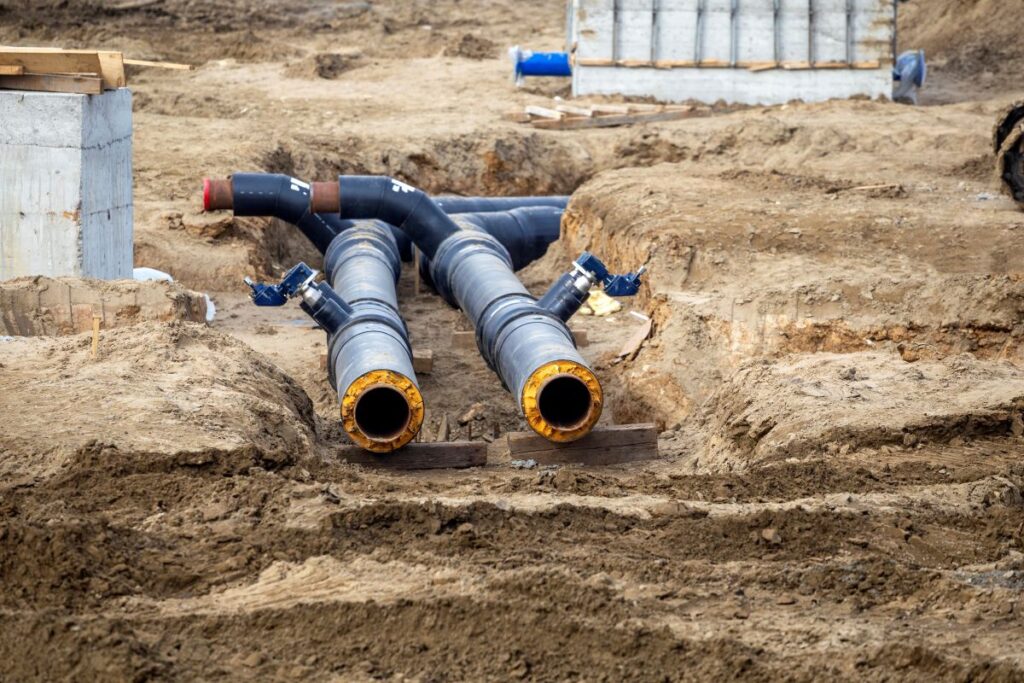
In Auckland, good drainage isn’t just a convenience. It’s essential for protecting your home from flooding, foundation damage, and costly water issues. With Auckland’s mix of clay soils, sloping land, and heavy rainfall, an effective drainage system plays a critical role in keeping properties safe and dry.
While some homeowners like to take the do-it-yourself route for minor drainage jobs, not all work can, or should, be done without a professional. Understanding when to handle small maintenance tasks yourself and when to call a licensed drain layer can save you significant time, money, and compliance headaches.
Understanding Drainlaying and Why It Matters
What Does a Drainlayer Actually Do?
A drainlayer installs and repairs the systems that carry wastewater and stormwater away from buildings. In New Zealand, drainlaying is a specialised trade regulated by the Plumbers, Gasfitters and Drainlayers Board (PGDB).
These professionals work with underground pipes, manholes, gully traps, and connections to public mains. While plumbers deal mainly with water supply and fixtures inside the house, drainlayers focus on the network that keeps your property dry and compliant.
Every new drain installation or alteration must meet strict building and health standards to ensure that wastewater flows safely to the correct disposal point.
How Auckland’s Climate and Terrain Affect Drainage Systems
Auckland’s coastal climate and geology present unique challenges for drainage. The city experiences high rainfall, particularly during winter, and many suburbs are built on clay-rich or volcanic soils that drain poorly. Additionally, steep sections and infill housing developments can increase runoff and overload existing drainage systems.
A poorly installed or blocked drain can quickly lead to flooding, unpleasant odours, or damage to paths and driveways. These factors make quality drainlaying not just a technical job, but an essential part of maintaining a healthy Auckland property.
The Appeal of DIY Drainlaying Projects
Simple Maintenance Tasks Homeowners Can Safely Handle
For handy homeowners, some small drainage maintenance can be done without professional help. Clearing leaves and debris from gully traps, surface channels, and downpipes is perfectly safe.
You can also maintain garden drainage areas, check for ponding after rain, and ensure that surface water runs away from your home’s foundation. Minor above-ground tasks like installing small channel drains in garden paths are typically exempt from council consent, provided they don’t connect to the public system or affect stormwater flow.
Common Mistakes Homeowners Make with DIY Drainlaying
However, it’s easy to underestimate how complex drainlaying can be. Many Auckland homeowners make costly mistakes when attempting underground drainage work themselves. The most common problems include using incorrect pipe gradients, poor joint sealing, or mixing incompatible materials. These issues can cause leaks, blockages, and structural damage over time.
Another frequent mistake is failing to obtain the correct council consents or inspections. Under New Zealand law, only a licensed or authorised drainlayer can carry out drainlaying work that connects to the mains. Doing it yourself without approval can result in fines, failed inspections, or having to pay a professional to redo the work.
The Role of Professional Drainlayers in Auckland
What Licensed Auckland Drainlayers Are Qualified to Do
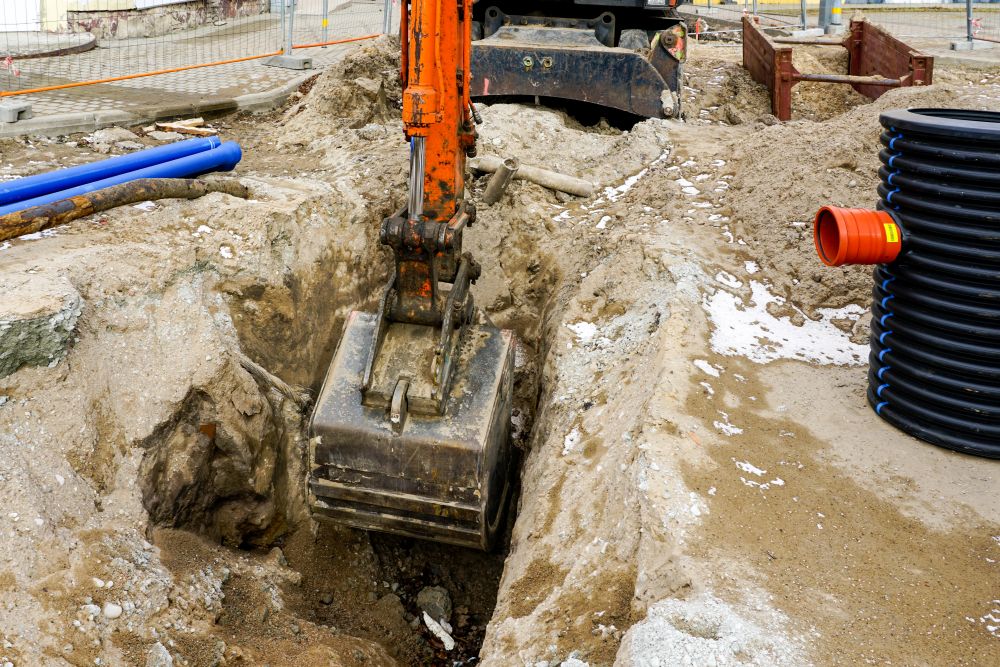
Licensed drainlayers are trained, certified professionals who understand New Zealand’s drainage codes and council requirements. They can install, repair, or replace wastewater and stormwater drains, carry out CCTV inspections, and prepare documentation for compliance.
In Auckland, professional drainlayers often collaborate with engineers and surveyors, especially on new builds or subdivision projects. They ensure all work passes inspection by Auckland Council or Watercare and that the system operates safely under heavy rainfall.
The Advantages of Hiring a Professional Drainlayer
Hiring a licensed drainlayer means you’re getting experience, precision, and peace of mind. Professionals have access to specialised tools such as hydro-jetting equipment for unblocking, trenching machines for installations, and CCTV cameras for diagnosing underground issues. Their work is insured and typically comes with a warranty, giving you protection if problems arise later.
More importantly, professional drainlayers understand how to future-proof your drainage system, ensuring it meets long-term performance standards. For complex or large-scale projects, their expertise can prevent the kind of failures that lead to expensive water damage or flooding.
When to Call the Experts
Situations That Require Licensed Drainlayers
There are specific situations where hiring a professional isn’t optional, it’s required. You should always call a licensed Auckland drainlayer when:
- Installing new stormwater or wastewater drains.
- Connecting to public mains or relocating existing lines.
- Building new homes, extensions, or subdivisions that require consented drainage.
- Repairing or replacing damaged underground pipes.
- Addressing ongoing flooding, blockages, or drain collapses.
Attempting these tasks yourself can lead to non-compliance with the Building Code and create liability issues for both homeowners and contractors.
Early Warning Signs Your Auckland Property Needs a Professional
Knowing when to call in the experts can prevent small drainage problems from escalating. Warning signs include recurring blockages, slow-draining sinks or showers, soggy lawns, or foul odours around gully traps.
Cracks in concrete paths or driveways can also indicate leaking underground pipes. If you’ve noticed these symptoms, it’s best to schedule a professional CCTV inspection to assess the condition of your drainage network.
Comparing Costs, Time, and Risk
The Real Cost of DIY vs Professional Drainlaying
At first glance, DIY drainlaying might seem cheaper because you’re saving on labour costs. However, the hidden risks often outweigh the short-term savings. Materials, machinery hire, and disposal fees can add up quickly, and a single mistake can lead to costly repairs. Failing a council inspection or damaging an existing line can easily exceed the cost of professional work. Licensed drainlayers may charge more upfront, but they get the job done right the first time, ensuring compliance, reliability, and long-term savings.
Time and Compliance Factors in Auckland Projects
Auckland drainlayers are familiar with local inspection schedules and council processes. This means your job moves faster from start to finish. DIY projects often take longer because homeowners underestimate the planning, trenching, and inspection requirements.
Using a licensed professional ensures that your drainage system is installed to code, documented properly, and easily approved by Auckland Council. This also helps with future property sales, as buyers increasingly request drainage compliance reports.
Keeping Auckland’s Drains Healthy Year-Round
Whether you’re maintaining an older property in Grey Lynn or building a new home in Silverdale, good drainage is vital for keeping your investment safe. Routine maintenance, such as clearing gutters, checking gully traps, and booking annual inspections, helps prevent damage before it starts. Professional drainlayers can also provide CCTV assessments and hydro-cleaning services to keep your system flowing freely.
Balancing DIY upkeep with professional expertise is the best approach for Auckland homeowners. You can handle small surface jobs yourself, but for anything underground or connected to the public system, call a licensed drainlayer. Their technical knowledge, compliance training, and use of specialised equipment make them essential for long-term drainage performance.
By knowing when to DIY and when to call the experts, you can keep your home dry, compliant, and ready to handle Auckland’s ever-changing weather.