Alright, let’s talk about quality. You know, the kind of work that makes you nod and think, ‘Yeah, that’s done right.’ It feels like we’re seeing more of that sort of thing popping up again, especially here in New Zealand. People are starting to appreciate the solid stuff, the things built to last, and honestly, it’s about time. Forget the flimsy, throwaway trends; we’re heading back to basics, but with a modern twist.
Key Takeaways
- Forget the flashy stuff; true luxury in craftsmanship NZ is about understated quality and materials that speak for themselves. Think natural wood and well-made details.
- We’re seeing a real move towards authenticity, with people wanting homes that feel genuine. This means using sustainable materials and opting for slow design principles that last.
- Custom-made furniture, inspired by the past but built for today, is making a big comeback. It’s your chance to get something unique that fits your space perfectly and has real character.
The Enduring Appeal Of Quality Craftsmanship NZ
You know, it feels like we’re all starting to get a bit tired of things that are just… disposable. That fleeting trend, the furniture that falls apart after a year – it’s just not cutting it anymore. We’re seeing a real shift, a desire for things that have a bit more substance, a bit more soul. And that’s where quality craftsmanship really shines, especially here in New Zealand.
Quiet Luxury: Where Craftsmanship Speaks Volumes
This isn’t about shouting about how expensive something is. It’s the opposite, really. Think about those pieces that just feel right. The ones where you can see the care that went into them, even if they don’t have a massive logo plastered all over them. It’s about the feel of the wood grain under your fingertips, the smooth glide of a well-made drawer, or the perfect stitching on a piece of upholstery. These are the details that whisper quality, rather than scream it. It’s a renewed commitment to making things that last, using materials that have a story, like beautiful, honest timber or natural stone. It makes your home feel more grounded, more thoughtful, and honestly, just more you.
It’s a bit like finding that perfect, well-worn jumper. It’s not flashy, but it’s incredibly comfortable and you know it’s going to be with you for years. That’s the essence of this quiet luxury – the luxury is in the making, the materials, and the longevity. It’s a conscious choice to move away from the fast-furniture cycle and invest in pieces that will age gracefully, becoming more characterful over time.
The Return Of The Artisan Touch
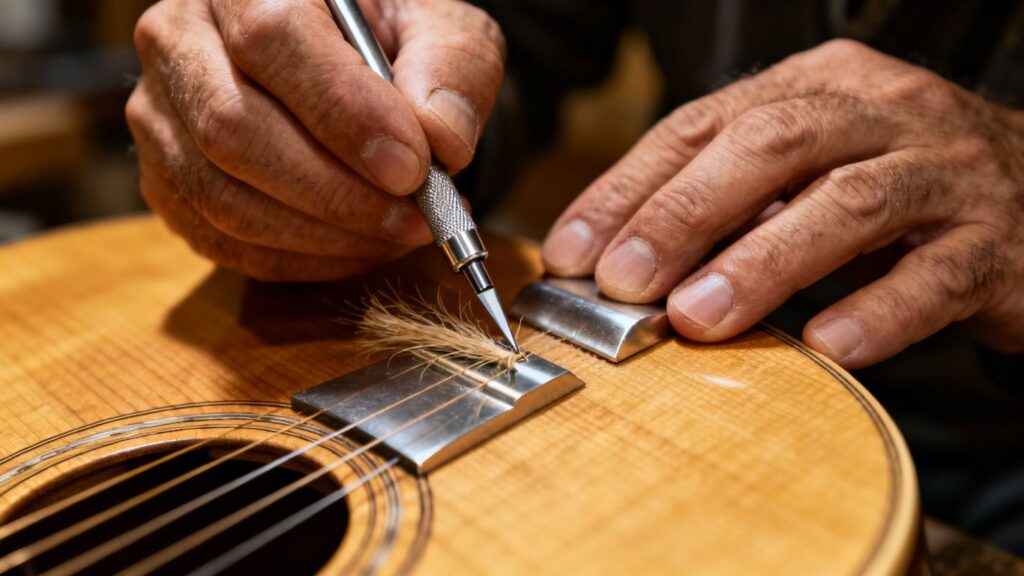
Remember when things were made by people who really knew their stuff? That’s what we’re talking about here. There’s a growing appreciation for the skill and dedication of artisans. Whether it’s intricate carving on a wooden panel, hand-stitched leatherwork, or the careful inlay of different materials, these touches add a layer of personality and history that you just can’t get from mass production. It’s about bringing back that human element, that connection to the maker.
This isn’t just about aesthetics, either. It’s about supporting local talent and preserving traditional skills. When you choose something handcrafted, you’re not just buying an object; you’re often buying a piece of someone’s passion and a connection to our heritage. It’s a way of infusing your home with character and stories, making it feel truly unique and personal.
Here are a few elements that really highlight this artisan comeback:
- Carved wooden details: Think intricate patterns on headboards or decorative panels that add a touch of old-world charm.
- Handwoven textiles: From rugs to wall hangings, the texture and unique patterns of handwoven pieces bring warmth and artistry.
- Bespoke joinery: Custom-made cabinets or shelving that perfectly fit your space and showcase the skill of the woodworker.
- Artisan ceramics: Hand-thrown pottery for decorative pieces or functional tableware, each with its own individual character.
The beauty of artisan-made items lies in their imperfections. These aren’t flaws; they’re marks of authenticity, proof that a real person poured their skill and time into creating something special. It’s this human touch that makes a house feel like a home.
Embracing Authenticity In New Zealand Homes
Sustainable Materials And Slow Design Principles
Remember when everything felt a bit… disposable? Like you’d buy something, and it would be out of style or falling apart before you knew it? Well, that whole approach is really starting to feel like a thing of the past, especially here in New Zealand. We’re seeing a big shift towards homes that feel more real, more grounded, and honestly, just better for us and the planet. This means we’re looking at materials that have a story, things that are built to last, and designs that aren’t chasing the latest fleeting trend.
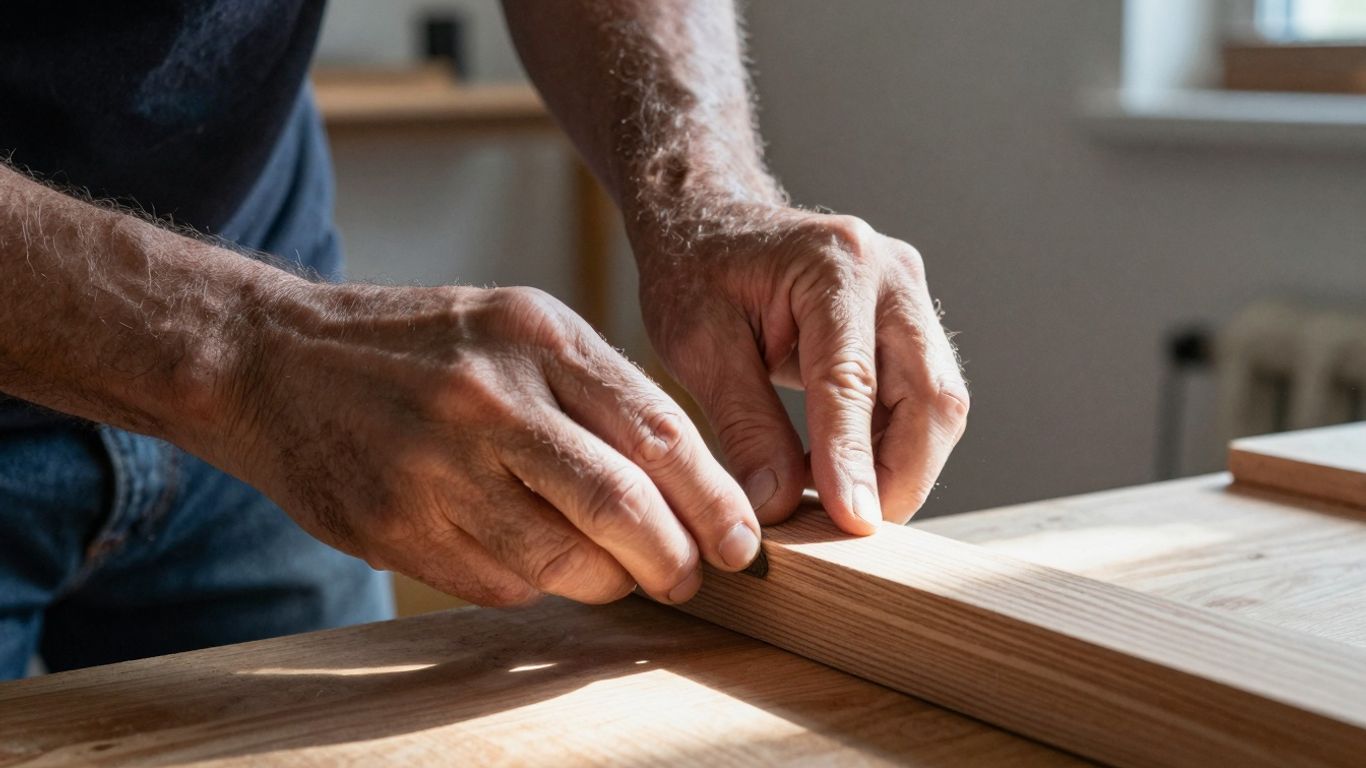
Think about the wood in your home. Instead of something that’s been heavily processed and shipped halfway around the world, imagine beautiful, locally sourced timber. Maybe it’s reclaimed Rimu from an old villa, or sustainably grown Matai. These materials have character, a natural warmth that you just can’t fake. It’s not just about how it looks, either. Using materials that are good for the environment, like bamboo or recycled metals, feels right. It’s about making choices that have less impact, so our homes can be beautiful without costing the earth. This is what we mean by ‘slow design’ – taking our time, choosing wisely, and creating spaces that have a sense of permanence.
It’s a bit like cooking with fresh, local ingredients. You can taste the difference, right? The same applies to our homes. When you choose materials that are natural, renewable, or have been given a second life, you’re bringing a bit of that authenticity inside. It’s about creating a connection to where things come from and how they’re made. This mindful approach means we’re less likely to end up with a home full of things we’ll want to replace in a few years. Instead, we’re building spaces that feel like they’ve always belonged, evolving with us rather than being dictated by trends.
Here’s a quick look at what this means in practice:
- Natural Materials: Prioritising wood, stone, wool, linen, and bamboo. These aren’t just pretty; they’re often renewable and biodegradable.
- Longevity: Opting for items that are well-made and designed to stand the test of time, both in terms of durability and style.
- Local Sourcing: Supporting local craftspeople and reducing the carbon footprint associated with long-distance transport.
- Reduced Waste: Choosing items made from recycled or upcycled materials, or those that can be easily repaired or repurposed.
The move towards authenticity in our homes is more than just a design trend; it’s a reflection of our growing desire for connection – to nature, to our past, and to the things that truly matter. It’s about creating spaces that feel honest and nurturing.
Bespoke Furniture: A Nod To The Past, Built For The Future
We’ve all seen those perfectly styled showrooms, right? Everything looks immaculate, but sometimes, it can feel a bit… impersonal. Like it could be anyone’s home. That’s where bespoke furniture comes in. It’s about bringing in pieces that are made just for you, for your space, and for your life. Think of it as a conversation between you, the maker, and the materials. It’s a way to inject real personality into your home, moving away from the mass-produced and embracing the unique.
In New Zealand, we have such a rich tradition of craftsmanship. We’re talking about furniture that’s not just functional but also a work of art. Imagine a dining table made from a single slab of native timber, its grain telling a story. Or a bookshelf designed to fit perfectly into that awkward nook in your living room, built by someone who understands wood and how to make it sing. This isn’t about showing off; it’s about surrounding yourself with things that have soul, things that are made with care and attention to detail.
This trend is a bit of a throwback, sure. People have always commissioned furniture. But what’s different now is how we’re approaching it. It’s not just about replicating old styles. It’s about taking those traditional skills and applying them to modern needs. You might want a sleek, minimalist sideboard, but you want it made from solid oak with hand-cut dovetail joints. Or perhaps a comfortable armchair upholstered in a beautiful, textured fabric that you chose yourself. The beauty of bespoke is that it’s entirely adaptable. It’s a way to get exactly what you want, without compromise.
Here’s why bespoke furniture is making such a comeback:
- Unmatched Quality: Handcrafted items are typically made with superior materials and techniques, leading to greater durability.
- Perfect Fit: Custom-made pieces are designed to fit your specific dimensions and requirements, making the most of your space.
- Unique Style: You get a piece that reflects your personal taste and complements your existing decor, something truly one-of-a-kind.
- Supporting Local Artisans: Commissioning bespoke furniture often means working directly with local craftspeople, supporting skilled trades and the local economy.
It’s a conscious decision to invest in pieces that will be cherished for years, perhaps even generations. It’s about valuing the skill and time that goes into creating something special, rather than opting for the quickest or cheapest option. This focus on bespoke pieces is a powerful statement about what we value in our homes: quality, individuality, and a connection to the hands that made our things.
So, What’s the Takeaway?
Right then, it’s pretty clear that by 2026, we’re all looking for stuff that’s built to last and feels a bit more real. Forget those flimsy trends that disappear faster than a free sausage roll at a tradie’s BBQ. It’s about getting back to basics, focusing on solid work, and making things that people can actually rely on. Whether you’re fitting a new kitchen or building a house from the ground up, putting quality first is the way to go. It’s not just about making a buck; it’s about building a reputation that stands the test of time. So, let’s get back to doing things properly, eh?