Alright, so 2026 is shaping up to be a bit of a wild ride for anyone on the tools, especially when it comes to climate change trades. We’re talking about new rules from overseas that could actually affect what you’re doing day-to-day, and technology that’s gobbling up more power than ever. Plus, the weather’s getting seriously unpredictable. It’s not all doom and gloom though; there are definitely opportunities popping up if you know where to look. Let’s break down what you need to keep an eye on.
Key Takeaways
- Get ready for new international rules, like the EU’s carbon border tax, that might mean you have to track the carbon footprint of the materials you use. It’s a bit of a headache, but it’s coming.
- Artificial intelligence is getting huge, and that means a massive demand for electricity. This could put a real strain on the grid and make it harder to hit those sustainability targets.
- Solar power is booming, but expect some shifts in how it’s supported, especially with China making big moves. Keep an eye on how these policy changes affect supply and pricing.
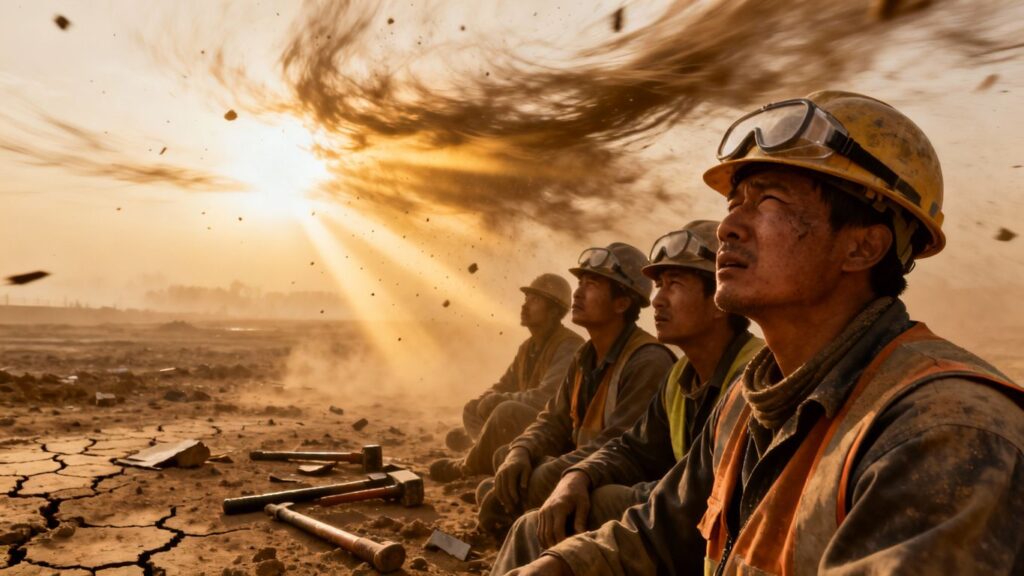
- Extreme weather is becoming the norm. Think more dry lightning fires and longer wildfire seasons. You’ll need to be prepared for disruptions and maybe even rethink how and where you work.
- The shift to a greener economy means new jobs and skills are in demand. Embracing these changes can lead to good work and business opportunities, so it’s worth getting ahead of the curve.
Navigating the Shifting Sands of Climate Policy for Trades
Right then, let’s talk about the big picture when it comes to climate policy and how it’s going to mess with our work in the trades by 2026. It feels like every week there’s a new rule or a new target, and keeping up can be a real headache, can’t it?
Understanding the EU Carbon Border Adjustment Mechanism
So, the EU’s got this thing called the Carbon Border Adjustment Mechanism, or CBAM for short. Starting January 1st, 2026, they’re going to start looking at the carbon footprint of goods coming into the EU. This means if you’re importing materials or equipment, you’ll need to account for the emissions involved in making them. It’s a bit like a tax, but based on how much carbon was pumped out to produce whatever you’re bringing in. This is going to change how we source materials and could make some things more expensive. It’s all about making sure goods made in the EU, with its stricter climate rules, aren’t at a disadvantage compared to those made elsewhere with fewer regulations. You’ll need to get your head around reporting these emissions, and it might mean working with suppliers who can provide that data.
The Growing Influence of China in Clean Energy
Now, you can’t talk about climate and trade without mentioning China. They’re really pushing ahead with clean energy tech and manufacturing. Reports suggest they’re set to spend a lot more on cleantech in the next few years, and a lot of the global investment in new energy is heading their way. This means a lot of the solar panels, batteries, and other bits and bobs we might use could be coming from there. While the US is trying to boost its own green industries, China’s lead in manufacturing and its active role in global climate talks means they’re going to have a big say in how things develop. It’s worth keeping an eye on their progress, as it could affect the availability and cost of the green tech we’ll be working with.
Adapting to Escalating Climate Risks in 2026
Beyond the policies, the actual weather is getting a bit wild, isn’t it? We’re already seeing more extreme weather events, and by 2026, this is expected to ramp up even more. Think about it: more intense heatwaves, heavier rain, and unfortunately, more fires. This isn’t just a bit of bad weather; it’s starting to seriously impact infrastructure, the materials we use, and how we can actually do our jobs. Some estimates suggest that climate-related costs for big companies could run into hundreds of billions of dollars each year in the coming decade. It means we can’t just ignore this stuff anymore. We need to be thinking about how to protect our sites, our equipment, and ourselves from these increasing risks. It’s not a question of if we need to adapt, but how quickly we can get on with it.
The way climate policy is shaping up, especially with things like the EU’s CBAM and the sheer scale of China’s clean energy push, means the materials we use and where they come from are going to be under more scrutiny. On top of that, the weather itself is becoming a bigger factor in our daily work. Being prepared for these changes isn’t just good practice; it’s becoming a necessity for getting the job done safely and efficiently.
The Electrifying Impact of AI on Energy Demands for Trades
You’ve probably heard a lot about Artificial Intelligence (AI) lately. It’s everywhere, and it’s changing how we do things, including how much electricity we use. By 2026, this AI boom is going to put a real strain on our power grids and how we pay for energy. It’s a big deal for anyone working in the trades.
Understanding the EU Carbon Border Adjustment Mechanism
This is a bit of a mouthful, but it’s important. The EU’s Carbon Border Adjustment Mechanism (CBAM) is essentially a way to put a price on carbon emissions for goods coming into the EU. Think of it like a tax on imports based on how much carbon they produced during manufacturing. For tradespeople, this could mean changes in the cost of materials and equipment sourced from outside the EU. If a supplier’s manufacturing process is carbon-intensive, you might end up paying more for their products. It’s all part of the EU’s push to level the playing field and encourage greener production methods globally.
The Growing Influence of China in Clean Energy
China is making some serious moves in the clean energy sector. They’re not just producing a lot of solar panels and batteries; they’re also looking to export energy itself, potentially as green hydrogen or sustainable aviation fuel (SAF). This has a knock-on effect for us. For example, China’s massive investment in green hydrogen could drive down global prices, making it more accessible for various industrial applications. Similarly, their expansion in SAF production means more options for the aviation sector, which could indirectly impact logistics and supply chains you rely on.
Adapting to Escalating Climate Risks in 2026
We’re seeing more extreme weather events, and this is directly affecting how we work. Think about the increased risk of wildfires, especially in drier regions. This isn’t just about the environment; it means potential disruptions to projects, supply chains, and even the safety of work sites. Preparing for longer and more intense wildfire seasons, for instance, might involve new safety protocols or changes in project scheduling. It’s about being ready for the unexpected and building resilience into our operations.
Grid Limitations and Revenue Model Strains
So, AI needs a lot of power, right? Data centres, which are the brains behind AI, are massive energy consumers. By 2026, the demand from these centres is projected to skyrocket. This surge is going to test the limits of our current electricity grids. They weren’t really built for this kind of concentrated, high demand. This puts a strain on how energy is supplied and, consequently, on the revenue models of energy companies. They’re trying to figure out how to meet this demand reliably without breaking the bank or their sustainability promises.
Sustainability Goals Under Pressure
Many companies have set ambitious targets to reduce their carbon footprint. But with the massive energy needs of AI, meeting these goals becomes a lot trickier. Some companies involved in data centre operations might not even have net-zero commitments yet. This creates a tension between the rapid growth of AI technology and the urgent need to decarbonise. Finding ways to power AI with clean energy, or developing more energy-efficient AI, is going to be a major challenge.
The Race for Grid Modernisation
Because of the strain AI is putting on the grid, there’s a growing urgency to modernise our electricity infrastructure. This means upgrading old power lines, improving grid management systems, and investing in new technologies that can handle fluctuating demands. For the trades, this presents opportunities in installation, maintenance, and the development of smarter grid solutions. However, the pace of this modernisation is a key factor in our energy security and economic competitiveness. If the grid can’t keep up, it could slow down everything else.
Here’s a quick look at what’s happening:
- AI Data Centre Power Demand Growth: Expected to increase significantly by 2026, testing grid capacity.
- Grid Bottlenecks: Decades of underinvestment mean many grids are struggling to cope with new demands.
- Sustainability Targets: The energy needs of AI put pressure on companies’ existing climate commitments.
The rapid expansion of AI is creating a significant new demand for electricity. This is happening at a time when grids are already under pressure and the world is trying to transition to cleaner energy sources. Balancing these competing needs is going to be a major challenge over the next few years, impacting everything from material costs to project timelines.
Renewable Energy’s Evolving Landscape for Trades
Solar Growth Peaks Amidst Policy Shifts
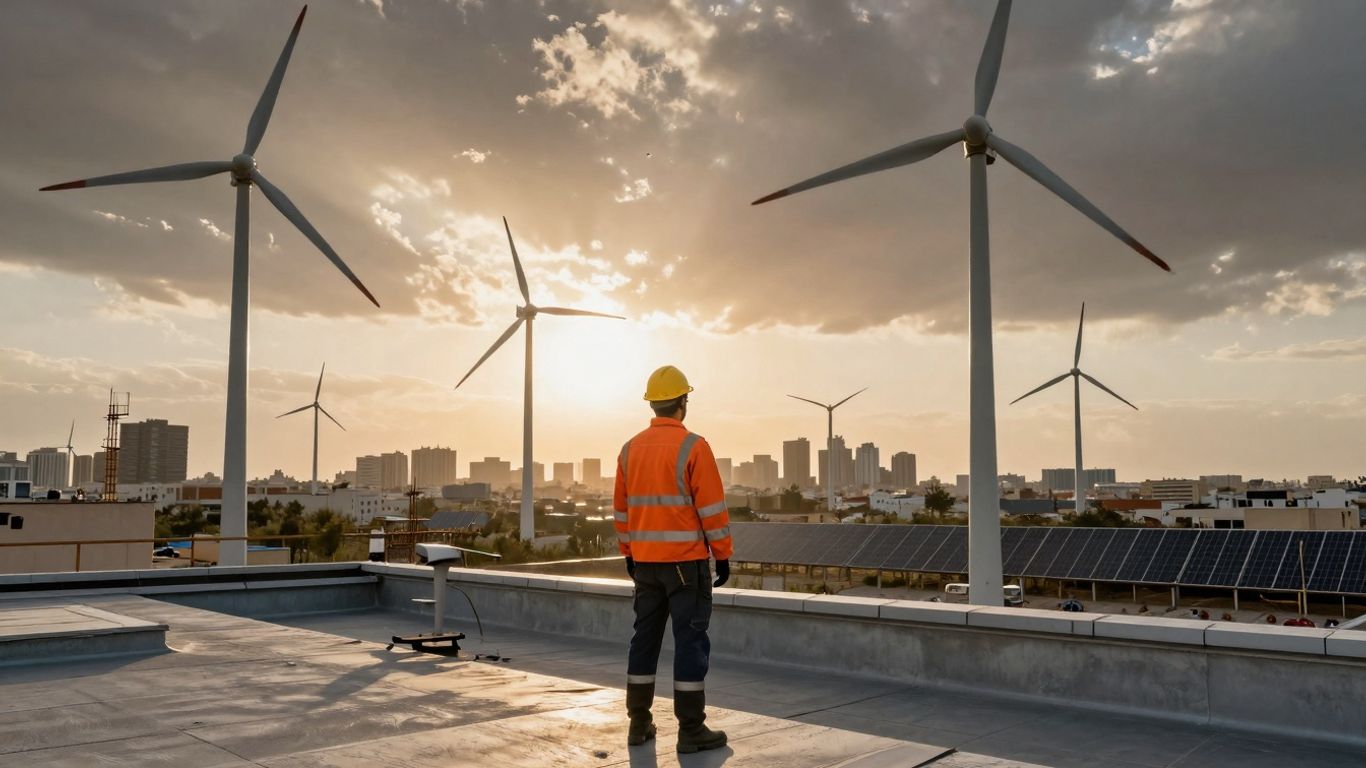
So, you’re probably wondering what’s happening with solar power, right? Well, it’s a bit of a mixed bag. We’re seeing solar growth really hit a peak, but for now, it looks like 2026 might be the first year we see a slowdown in how much new renewable energy is added annually. China, which has been a massive player, is shifting its approach. They’re moving away from fixed prices towards competitive bidding, which means their annual solar additions are expected to drop from around 300 GW in 2025 to about 200 GW in 2026. Since China accounts for half of all new solar installations globally, this is a pretty big deal. It means for the first time ever, we might see a slight year-on-year decrease in new solar capacity being installed worldwide. It’s not a huge drop, but it’s a change.
Despite this slowdown, the overall amount of solar power capacity is still set to double in the next five years. Emerging markets are stepping up, and there’s ongoing innovation, especially with battery storage getting better and being deployed faster. So, while the pace might change, the long-term trend is still upwards.
This shift means you’ll need to keep an eye on policy changes, especially if you’re involved in solar projects. What worked last year might not be the best approach next year. It’s all about staying adaptable and informed about these policy tweaks. You can find more information on the global energy transition.
Emerging Markets Driving Solar Adoption
Even with China’s slowdown, don’t count solar out. Emerging markets are really starting to pick up the slack. Countries you might not have thought of are becoming bigger players in adopting solar power. This is great news because it spreads the adoption of clean energy around the globe, making it less reliant on just a few big players. It means more opportunities for tradespeople in different regions, potentially creating new job markets and demand for skills.
The Rise of Flexible Power Purchase Agreements
Now, let’s talk about how you actually buy and sell this renewable energy. The way we’re doing it is changing, too. With more renewable energy coming online, we’re seeing more times when the price of electricity is zero, or even negative! This is making traditional Power Purchase Agreements (PPAs) a bit outdated. We’re moving towards more complex, flexible agreements. These often involve combining different technologies, like solar panels with battery storage. The contracts are getting shorter, and there’s more focus on protecting against those wild price swings. It’s a bit more complicated, but it’s how the market is adapting to the new reality of renewable energy pricing. You’ll need to get your head around these new PPA structures to make sure you’re getting the best deal and managing risk effectively.
Green Hydrogen and Sustainable Fuels: New Frontiers for Trades
Right then, let’s talk about the next big things hitting the trades scene in 2026: green hydrogen and sustainable fuels. You might be thinking, ‘What’s that got to do with me?’ Well, quite a lot, actually. These aren’t just buzzwords; they’re shaping up to be major areas for work and innovation.
China’s Green Hydrogen Ambitions
First up, China. They’re really going for it with green hydrogen. While others are still figuring things out, China’s planning to install a massive amount of electrolysers in 2025 and 2026. We’re talking about nearly doubling the global total in just one year. The cost of the equipment needed to make green hydrogen has also dropped significantly, thanks to a bit of an oversupply and some serious competition. What’s interesting is that Chinese companies aren’t just looking to use this energy at home; they’re aiming to export it, even as clean molecules. Some of their green ammonia plants are already getting the nod from the EU for export, and the prices they’re talking about are pretty competitive.
Global SAF Capacity Expansion
Next, sustainable aviation fuel (SAF). By 2026, the amount of SAF we can produce globally is set to increase by about a third. Asia is leading this expansion, even though they don’t use that much SAF themselves. Why? Because they’re eyeing the European market, which is expected to have a shortfall. If all the planned projects go ahead, the capacity could grow eightfold by 2030, but a lot of those are still just ideas on paper. It’s a developing area, but one that will need skilled trades to build and maintain the facilities.
EV Uptake and Market Competitiveness
And of course, we can’t ignore electric vehicles (EVs). China’s already shown that EVs can be as affordable as regular petrol cars. They’re on track to be the first big market where EVs make up half of all new car sales. Europe’s also seeing a boost thanks to stricter rules, while the US is testing the waters of consumer demand without as much government help. What’s key for the trades here is the infrastructure needed to support this shift. Think charging points, maintenance for new types of vehicles, and the electrical work that comes with it all. It’s a growing sector, and understanding the tech is becoming more important. The truck parts industry in Auckland, for example, is already seeing how electric and autonomous vehicles are changing things, requiring new skills and approaches to vehicle maintenance.
The push towards cleaner fuels and energy sources means new skills are in demand. Whether it’s installing hydrogen production equipment, maintaining SAF facilities, or setting up EV charging networks, the trades are at the forefront of this transition. It’s not just about adapting; it’s about seizing new opportunities.
Here’s a quick look at what’s happening:
- Green Hydrogen: China’s massive investment and falling electrolyser costs are game-changers.
- SAF: Capacity is growing, especially in Asia, to meet European demand.
- EVs: Market share is increasing globally, requiring significant infrastructure development.
These areas represent a significant shift, and for those in the trades, it means staying informed and perhaps picking up some new qualifications. It’s a dynamic landscape, and being ready for it will be key.
Extreme Weather and Its Direct Impact on Trades
Right then, let’s talk about something that’s becoming impossible to ignore: the weather. You know, the kind of weather that messes with your plans, your tools, and even your safety. By 2026, we’re looking at more of the same, maybe even worse. It’s not just about a bit of rain; we’re talking about serious disruptions that directly affect the trades.
The Growing Threat of Dry Lightning Fires
This is a big one. You might have heard about "dry lightning" – basically, lightning strikes that don’t bring any rain. These are becoming more common, and when they hit dry landscapes, they can spark wildfires incredibly quickly. Think about it: you’re out on a job, and suddenly the air is thick with smoke. It’s not just a nuisance; it can mean immediate evacuation, damage to sites, and serious risks to your health and equipment. Some research suggests we could see a significant global increase in lightning flashes by 2090, with certain areas like western North America and parts of Europe and Australia being particularly vulnerable. This means more frequent and intense fire seasons are on the horizon.
Regional Fire Risk Hotspots
It’s not uniform, though. Some places are definitely more prone to these kinds of events than others. For instance, in British Columbia, Canada, lightning strikes are already a major cause of fires, and the situation is expected to get tougher with warming temperatures. Imagine trying to get materials delivered or a project finished when entire regions are on lockdown due to fires. It’s not just about the immediate danger; it’s about the knock-on effects on supply chains and project timelines. We need to be aware of where these hotspots are and what that means for our work.
Preparing for Increased Wildfire Seasons
So, what can you actually do? It’s about being prepared. This isn’t just for firefighters; it’s for everyone working outdoors or with infrastructure that could be affected.
- Stay Informed: Keep an eye on local weather alerts and fire risk advisories. Knowing when the risk is high is the first step.
- Site Safety: If you’re working in or near a high-risk area, have a plan. This could include having emergency contact information readily available, ensuring vehicles are in good working order, and knowing evacuation routes.
- Equipment Protection: Think about how extreme heat and smoke might affect your tools and materials. Proper storage and maintenance become even more important.
- Adapt Your Schedule: Sometimes, the best plan is to adjust your working hours or reschedule jobs during periods of extreme fire danger. It might seem like a hassle, but it’s better than risking safety or significant damage.
The reality is, the climate is changing, and that means the weather we deal with is changing too. For those of us in the trades, this isn’t some distant problem; it’s happening now and will affect our daily work. Being aware and prepared for things like dry lightning fires and the resulting wildfire seasons is no longer optional – it’s just part of the job.
We also need to consider how these extreme events can impact infrastructure. Think about flooding in coastal areas, like those around Auckland, where intense rainfall and storms can cause serious disruptions. Upgrading drainage systems and implementing green infrastructure can help protect businesses and keep operations running, even when the weather turns nasty.
Jobs and Economic Opportunities in the Green Transition
Right then, let’s talk about the jobs and money side of all this green stuff. It’s easy to get bogged down in the technicalities, but honestly, the shift to a greener economy is creating a whole heap of new opportunities. You might be surprised at the scale of it.
Building Workforces for a New Economy
Think about it: all these new solar farms, wind turbines, and electric vehicle charging points don’t build themselves. We need people to design them, install them, maintain them, and even recycle them down the line. This isn’t just about adding a few jobs here and there; it’s a whole new industrial revolution, and it needs a skilled workforce. The challenge is making sure we’re training people up fast enough and in the right areas. It’s not just about traditional trades either; we’re talking about data analysts for energy grids, specialists in battery technology, and even people who can manage the complex supply chains for new green materials.
- Upskilling existing trades: Electricians will need to know more about smart grids and EV charging systems. Plumbers might get involved in heat pump installations. Mechanics will shift from fixing combustion engines to working with electric powertrains.
- Creating new roles: We’ll see more demand for environmental consultants, sustainability officers, and technicians specialising in renewable energy systems.
- Training initiatives: Look out for new courses and apprenticeships popping up. Colleges and trade unions are starting to offer programmes specifically for the green transition.
Scaling New Industrial Systems
This is where things get really interesting. We’re not just talking about small-scale projects anymore. Countries are looking to build massive new industries around things like green hydrogen and sustainable aviation fuel. China, for instance, is really going for it with green hydrogen, planning to install a lot more electrolysers in 2026. They’re even looking to export it. This kind of industrial scaling means big investments and, you guessed it, more jobs.
The global push for decarbonisation isn’t just an environmental imperative; it’s a massive economic opportunity. Countries and businesses that embrace this transition early are likely to gain a competitive edge, attracting investment and creating stable, well-paying jobs for the future.
The Role of Gender-Responsive Climate Policy
Now, this is a bit more nuanced, but it’s important. When we talk about creating jobs and opportunities, we need to make sure everyone gets a fair shot. Gender-responsive climate policy means thinking about how these changes affect women and other underrepresented groups. For example, are training programmes accessible to everyone? Are new green jobs being created in communities that have historically been left behind? Initiatives are being launched to support women’s leadership in green industries and ensure that the benefits of the transition are shared more equally. It’s about making sure this new economy works for all of us, not just a select few.
So, What’s Next for You on the Tools?
Right then, it’s clear that 2026 isn’t going to be a walk in the park for us tradies. We’re seeing more extreme weather messing with jobs, and the whole carbon thing is getting more complicated with new rules coming in. Plus, all this talk about AI needing heaps of power? That’s going to put a strain on the grid we rely on. It’s not all doom and gloom though; there’s a real push for cleaner energy, and that means new opportunities. You’ll need to keep your eyes open, maybe learn a new trick or two, and just generally be ready to adapt. It’s about staying sharp and making sure you’re still the go-to person when things need fixing, no matter what the climate throws at us.