Right then, you know how your drill battery always seems to die just when you’re halfway through a job? It’s a pain, isn’t it. Well, get ready, because 2026 is shaping up to be a big year for battery technology tools. We’re talking about batteries that’ll last longer, charge faster, and be way safer to use. It’s not just about your power tools getting a bit better; this is a proper game-changer for how you get work done on site.
Key Takeaways
- New battery tech means your tools will be lighter and last way longer on a single charge, cutting down on downtime.
- We’re seeing batteries that use more common materials, making them cheaper and better for the environment.
- Expect tools to charge up super fast, so you’re not waiting around when you’ve got a deadline.
- Safety is a big focus, with new battery designs reducing the risk of fires or other issues on the job site.
- These advancements mean more reliable power for all sorts of jobs, from small fixes to big builds.
Powering Up Your Trade: Next-Gen Battery Technology Tools
Right then, let’s talk about what’s really going to shake things up for your tools in 2026. We’re not just talking about incremental upgrades here; we’re looking at a whole new generation of battery tech that’s going to make your current kit feel a bit like a dinosaur. Forget those midday charging breaks and the constant worry about a battery dying halfway through a job. The future is looking a lot more powerful, a lot safer, and frankly, a lot more convenient.
Solid-State Batteries: Lighter, Safer, and Longer Lasting
So, what’s the big deal with solid-state batteries? Well, imagine a battery that doesn’t use that messy liquid stuff inside. Instead, it’s got a solid electrolyte. This might sound like a small change, but it means batteries can be made much smaller and lighter, which is brilliant for tools you’re lugging around all day. Plus, and this is a big one for anyone working on site, they’re way less likely to catch fire. We’re talking about batteries that can handle being poked and prodded, and even high temperatures, without throwing a tantrum. Some of the latest developments mean these batteries could offer a serious boost in how much power they hold for their size, meaning your tools could run for ages on a single charge. It’s a game-changer for keeping things going without interruption.
The Rise of Metal-Air and Metal-Ion Batteries
Next up, we’ve got metal-air and metal-ion batteries. These are getting a lot of attention because they use materials that are much more common and easier to get hold of than lithium. Think iron, zinc, and sodium. For example, iron-air batteries work a bit like controlled rusting, using iron, water, and air. Companies are already starting to make these on a larger scale, and they’re brilliant for storing energy for long periods – we’re talking up to 100 hours. This means they could be used to keep renewable energy grids stable, but it also translates to tools that can keep going for days. Zinc-based batteries are also showing up, offering a good amount of power and a decent shelf life, all while using materials that are kinder to the planet. It’s all about making power more accessible and sustainable.
Sodium-Ion: A Sustainable Alternative for Tools
Sodium-ion batteries are really starting to hit their stride. They work in a similar way to lithium-ion batteries, but they use sodium instead of lithium. Why is this good? Well, sodium is everywhere – it’s in salt, for starters – making it much cheaper and more sustainable to source than lithium. These batteries are also showing they can handle extreme temperatures, both hot and cold, which is a big plus for tools used in all sorts of conditions. They can also discharge power faster and seem to have a lower risk of catching fire compared to some older tech. As these become more common, expect to see them powering a wider range of tools, offering a greener and more budget-friendly option without sacrificing performance.
Beyond Lithium-Ion: Innovations in Battery Tech Tools
Right then, let’s talk about what’s happening beyond the usual lithium-ion batteries that power pretty much everything these days. You know, the ones in your drill, your saw, even your phone. They’ve been great, no doubt, but they’re not perfect. We’re seeing some really interesting new types of batteries popping up that could make our tools even better, safer, and kinder to the planet.
Iron-Air Batteries: Abundant Materials for Extended Use
Think about this: what if your tool batteries could last for ages and were made from stuff that’s everywhere? That’s the idea behind iron-air batteries. They use iron as one of the main bits and oxygen from the air to create power. This means they can potentially store a massive amount of energy, meaning your tools could run for much longer on a single charge. Plus, iron is cheap and plentiful, which is a big win for keeping costs down.
- Longer run times: Expect your tools to keep going for significantly more time.
- Lower material costs: Iron is readily available, making production cheaper.
- Environmental benefits: Less reliance on rare or problematic materials.
The beauty of iron-air is its simplicity and the sheer abundance of its core components. It’s a bit like using water and air to generate power – fundamental, yet incredibly effective when you get it right.
Zinc-Based Batteries: High Energy Density for Demanding Jobs
For those really tough jobs where your tools need to work hard, zinc-based batteries are looking promising. They can pack a lot of power into a small space, which is exactly what you want when you’re using something like a heavy-duty impact wrench or a powerful circular saw. They’re also generally considered safer than some other battery types, which is always a good thing on a busy worksite.
| Battery Type | Energy Density (Wh/kg) | Safety Profile | Typical Use Case |
|---|---|---|---|
| Lithium-ion | 100-265 | Moderate | General purpose |
| Zinc-based | 100-250 | High | High-drain tools |
Cobalt-Free Options for Greener Tools
One of the big headaches with current lithium-ion batteries is the use of cobalt. Mining cobalt can be a real issue, both for the environment and for the people involved. So, a lot of research is going into making batteries that work just as well, if not better, without needing cobalt at all. This means the tools of the future could be made more responsibly, which is something we can all get behind. It’s not just about performance; it’s about making better choices all round.
Faster Charging, Greater Capacity: The Future of Battery Tools
Graphene Batteries: Enhanced Conductivity for Rapid Power
Right then, let’s talk about charging. We’ve all been there, right? You’re halfway through a job, your drill dies, and you’re stuck waiting for ages for the battery to get enough juice to finish up. It’s a proper pain. Well, get ready for things to get a whole lot quicker. Graphene batteries are starting to make some serious waves, and they’re all about speed. Think of graphene as a super-thin, super-strong sheet of carbon atoms. It’s brilliant at conducting electricity, way better than the stuff in your current batteries. This means power can flow in and out much faster. You’ll be able to get a significant charge in just a few minutes, not hours. Imagine plugging in your tool during a quick tea break and coming back to a battery that’s practically full. It’s a game-changer for keeping things moving on site.
Silicon-Carbon Batteries: Storing More Power, Charging Quicker
Next up, we’ve got silicon-carbon batteries. These are like an upgrade to the lithium-ion tech we’re used to, but with a big boost. They use silicon mixed with carbon, which lets them pack in a lot more energy compared to traditional batteries. So, not only will your tools run for longer on a single charge, but they’ll also charge up faster. It’s a win-win, really. This means fewer battery swaps and less time spent tethered to a charger. For those jobs that really drain your power, like running heavy-duty saws or grinders, this extra capacity is going to make a massive difference. You’ll find yourself reaching for spares a lot less often.
Lithium-Sulfur Batteries: Sustainable Cathodes for Longevity
Now, lithium-sulfur batteries are a bit different, and they’re looking pretty good for the future. They use sulfur for the cathode, which is a more abundant and less problematic material than some of the stuff used now. The big advantage here is that they can potentially store a huge amount of energy, even more than some of the other new technologies. Plus, they’re seen as a more sustainable option, which is always a good thing. While they might not be the absolute fastest to charge compared to graphene, their ability to hold a massive amount of power and their greener credentials make them a really interesting prospect for tools that need to run for extended periods without interruption.
The push for batteries that charge faster and hold more power isn’t just about convenience; it’s about making your workday smoother and more productive. Less waiting around means more getting done, plain and simple.
Here’s a quick look at what you can expect:
- Faster Charging: Get back to work in minutes, not hours.
- Greater Capacity: Tools run longer on a single charge, reducing downtime.
- Lighter Tools: Often, these new battery chemistries are lighter, making your tools easier to handle all day.
- Improved Performance: Consistent power delivery even as the battery drains.
Real-World Impact: How New Battery Tech Tools Will Perform
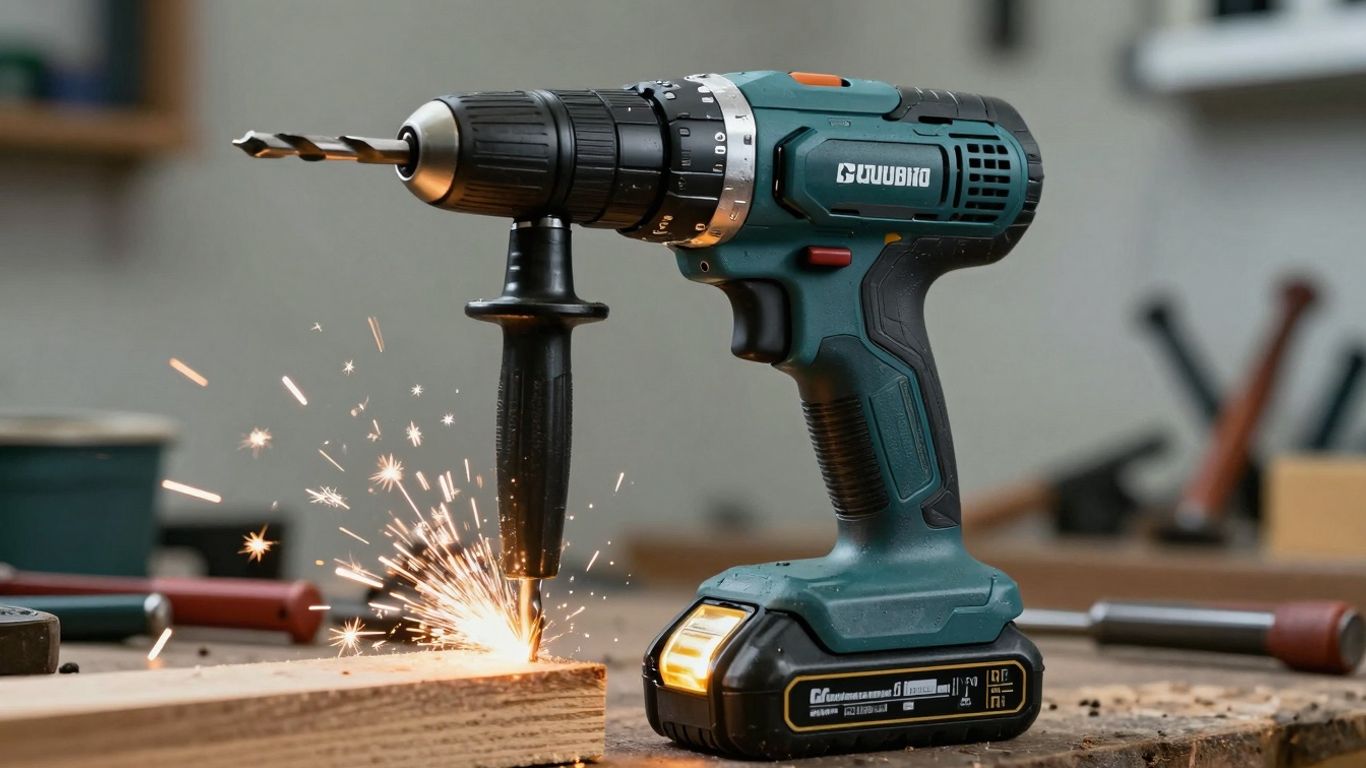
So, what does all this fancy new battery tech actually mean for you on the job site? Forget those days of constantly swapping out batteries or worrying about your tools dying mid-task. The future is looking a lot more reliable and a lot less frustrating.
Reduced Downtime with Extended Battery Life
This is the big one, isn’t it? Imagine finishing a whole day’s work, or even a couple of days, without needing to hunt for a charger. New battery chemistries, like those found in advanced iron-air or sodium-ion designs, are packing significantly more juice. This means your drills, saws, and impact drivers will keep going for longer. You’ll spend less time waiting around and more time actually getting things done. Think about it: fewer battery changes mean fewer interruptions, which adds up to serious time savings over the week.
- More work done per charge: Expect tools to last up to 50% longer on a single charge compared to current lithium-ion models.
- Fewer spare batteries needed: You might be able to get away with carrying one less battery pack, lightening your load.
- Consistent power delivery: New tech often means a more stable power output, so your tool doesn’t feel like it’s losing steam as the battery drains.
The shift towards batteries that hold more power for longer isn’t just about convenience; it’s about boosting your productivity and making your workday smoother. Less downtime equals more output, plain and simple.
Enhanced Safety Features on the Job Site
Safety is always paramount, and new battery tech is bringing some serious improvements. Solid-state batteries, for instance, ditch the flammable liquid electrolytes found in many current batteries. This drastically reduces the risk of thermal runaway – that scary scenario where a battery overheats and catches fire. Plus, some of these newer battery types are more robust and less prone to damage from drops or impacts, which, let’s be honest, happens on construction sites.
- Reduced fire risk: Solid-state and other non-liquid electrolyte batteries offer a much safer alternative.
- Improved durability: Materials used in newer batteries are often more resistant to physical stress.
- Better performance in extreme temperatures: Some new chemistries, like sodium-ion, work reliably even when it’s freezing or scorching hot.
Cost-Effective Power Solutions for Every Tradie
While the initial investment in new tools might seem high, the long-term savings are significant. Many of these emerging battery technologies use more abundant and cheaper materials, like iron or sodium, instead of relying heavily on rarer elements. This cost reduction should eventually trickle down to the tools themselves. Furthermore, the extended lifespan and reduced need for frequent replacements mean you’re getting more value for your money over time. You’ll also notice savings on electricity bills thanks to faster charging capabilities and more efficient power usage.
So, What’s Next for Your Toolbox?
Right then, it’s pretty clear the battery game is changing, and fast. You’ve probably noticed your tools lasting longer on a charge already, but that’s just the start. By 2026, expect even lighter gear that packs more punch, meaning less lugging around heavy batteries and more getting the job done. Whether it’s solid-state tech or something else entirely, these advancements mean your trusty drill or saw is going to feel a whole lot different in your hands. Keep an eye out – the future of your toolkit is looking pretty good.