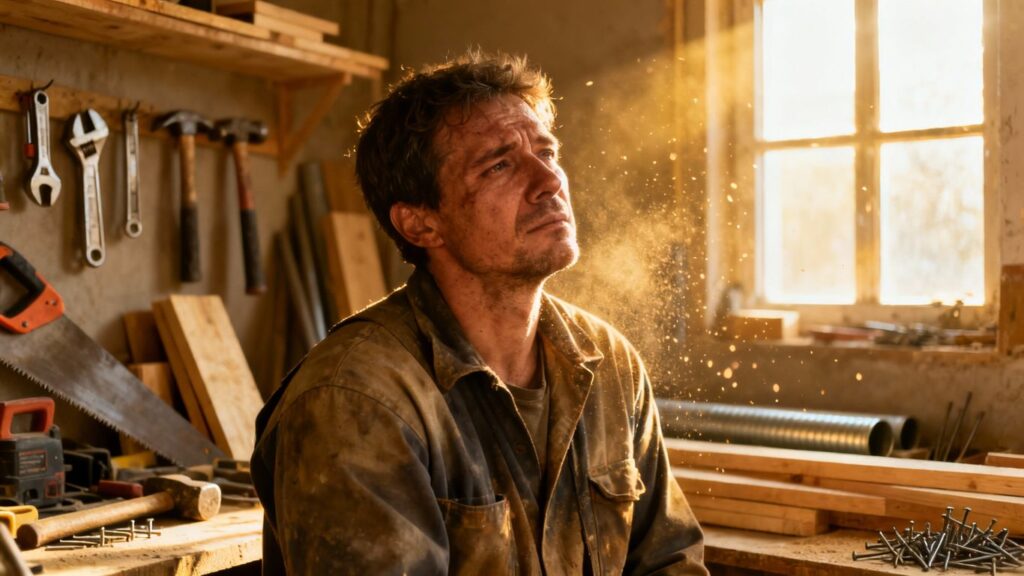
Right, let’s talk about that feeling when the tools feel heavier than usual and the weekend can’t come soon enough. It’s easy to get caught up in the daily grind, especially when you’re on the tools, but tradie burnout prevention is something we all need to get a handle on. This isn’t about slacking off; it’s about working smarter so you can keep doing what you love without running on empty. We’ll look at how to build yourself up, manage the workload a bit better, and make sure life outside of the job site is just as important.
Key Takeaways
- Spot the early signs of burnout like constant tiredness or feeling extra grumpy, so you can sort it before it gets bad.
- Learn to set some firm boundaries around your work hours and actually take those breaks – your brain needs a breather.
- Make time for stuff you enjoy outside of work, like hobbies or catching up with mates, because a full life makes you a stronger tradie.
Building Resilience: Your Shield Against Tradie Burnout

Right then, let’s talk about building up your resilience. Think of it like reinforcing the foundations of a building – the stronger it is, the better it can handle whatever the weather throws at it. For us tradies, that ‘weather’ is the daily grind, the tight deadlines, the demanding clients, and the sheer physical toll of the job. Burnout isn’t just about feeling a bit knackered; it’s a proper exhaustion that creeps in, affecting your mind, body, and spirit. It can leave you feeling drained, cynical about your work, and like nothing you do really makes a difference anymore. It’s a gradual thing, not usually a sudden crash, which is why spotting the early signs is so important.
Understanding the Early Warning Signs
So, how do you know if you’re heading towards burnout? It’s not always obvious, but there are definitely signals. You might find yourself waking up feeling tired, even after a full night’s kip. Little things that wouldn’t normally bother you start to feel like massive annoyances, making you more irritable than usual. That spark you used to have for your work? It might be fading, with tasks that were once satisfying now feeling like a huge chore. Physically, you might notice things like persistent headaches, tummy troubles, or changes in your appetite or sleep patterns. And sometimes, you just start to withdraw, avoiding mates or family because you can’t be bothered. Paying attention to these little whispers from your body and mind is the first step to stopping burnout in its tracks.
Here are some common signs to watch out for:
- Constant Fatigue: Feeling wiped out, no matter how much sleep you get.
- Increased Irritability: Snapping at people over minor things.
- Lack of Motivation: Finding it hard to get going, even on jobs you usually enjoy.
- Physical Aches: Unexplained headaches, back pain, or digestive issues.
- Feeling Detached: Losing interest in your work or feeling disconnected from colleagues.
Proactive Strategies for a Stronger You
Okay, so you know what to look for. Now, what can you actually do about it? It’s all about being proactive, building up your defences before the pressure gets too much. This isn’t about working harder; it’s about working smarter and looking after yourself.
First off, sleep, grub, and moving your body are your best mates. Aim for 7-9 hours of sleep a night – and try to keep those times consistent. Your body loves routine. For food, try to get a good mix of protein, fats, and fibre to keep your energy levels steady and stop you from feeling hangry and snappy. Even a brisk 20-minute walk can do wonders for stress. Seriously, studies show that hitting around 5,000 steps a day can help keep the blues away.
It’s easy to think that as tradies, we’re just machines built for hard graft. But we’re not. We’re people, and people need looking after. Ignoring the signs of burnout is like ignoring a leaky pipe – it’ll just get worse and cause more damage down the line.
Setting boundaries is also massive. This means deciding when your workday ends and sticking to it. It’s about saying ‘no’ to extra jobs when you’re already swamped, or delegating if you can. It’s also about making sure you actually switch off from work – no checking emails at 10 pm! And don’t underestimate the power of just talking things through. Whether it’s with your partner, a mate, or even a professional, getting things off your chest can make a huge difference. Remember, you’re not alone in this, and asking for help is a sign of strength, not weakness.
Mastering Your Workload: Smarter Ways to Work
Right then, let’s talk about getting a handle on all those jobs you’ve got on. It’s easy to get swamped, isn’t it? One minute you’re just trying to get through the day, the next you feel like you’re drowning in quotes, calls, and actual work. But there are ways to make it feel less like a constant battle and more like a well-oiled machine. It’s not about working yourself into the ground; it’s about being clever with your time and energy.
Setting Boundaries That Stick
This is a big one, and honestly, it’s not always easy. You want to be reliable, right? You don’t want to let anyone down. But if you’re always saying ‘yes’ to everything, you’ll end up running on empty. Think of boundaries like the safety rails on a building site – they’re there to stop you from falling off.
What does this actually look like? Well, it could be:
- Deciding on your working hours and sticking to them as much as possible. If you finish at 5 pm, try to pack up then. That doesn’t mean you can’t do the odd bit of overtime if it’s really needed, but it shouldn’t be the norm.
- Being clear with clients about what you can and can’t do. If a job’s going to take longer than they expect, tell them upfront. It’s better than promising the moon and then struggling to deliver.
- Learning to say ‘no’ politely. You don’t need a long explanation. A simple ‘I’m afraid I can’t take on any more work at the moment’ is perfectly fine.
It might feel a bit awkward at first, especially if you’re used to being available 24/7. But people will respect you for it, and more importantly, you’ll start to feel more in control of your own time.
Setting clear boundaries isn’t about being difficult; it’s about protecting your ability to do good work consistently. When you’re not constantly stretched thin, you can focus better, make fewer mistakes, and actually enjoy the job more.
The Power of Disconnecting and Taking Breaks
We all know we should take breaks, but how many of us actually do it properly? It’s not just about nipping out for a cuppa. It’s about properly switching off, even if it’s just for a short while. Your brain needs a rest, just like your muscles do after a long day of physical work.
Think about it: when you’re constantly thinking about the next job, the next phone call, or that tricky bit of plumbing, you’re not really resting. You’re just… waiting to do more work.
Here are a few ideas to get you started:
- Schedule ‘oasis moments’ into your day. These are short, deliberate breaks. Maybe it’s a 15-minute walk around the block after lunch, or just sitting down with a brew and not looking at your phone for ten minutes. Even a few minutes away from the task can make a difference.
- Make your lunch break a proper break. Try not to eat at your desk while scrolling through emails. Get away from your workspace, even if it’s just to sit in your van or find a nice spot outside.
- When the workday is done, try to switch off. This is easier said than done, I know. But if you can, resist the urge to check emails or take calls late into the evening. Your downtime is for recharging, not for more work.
Taking regular, proper breaks is not a sign of weakness; it’s a smart strategy for maintaining your energy and focus over the long haul. It helps prevent that feeling of being constantly ‘on’ and allows your mind to reset, making you more efficient when you do get back to it.
Beyond the Tools: Nurturing Your Life Outside Work
Right, so we’ve talked about keeping your head above water at work, but what about when you clock off? It’s easy to let the job take over everything, especially when you’re passionate about what you do. But honestly, if all you’ve got is work, work, work, you’re going to end up running on empty. Your tools and your trade are important, sure, but they’re not the only things that make you, well, you.
Cultivating Hobbies and Interests
Think back to when you were a kid. What did you love doing just for the fun of it? Maybe it was drawing, building things with Lego, or kicking a ball around. As adults, we often let those simple joys slide. It’s time to bring some of that back. Finding something you enjoy doing that has absolutely nothing to do with your job is a game-changer. It’s not just about filling time; it’s about giving your brain a different kind of workout and reminding yourself that you’re more than just your job title.
Here are a few ideas to get you started:
- Get Creative: Try your hand at painting, pottery, writing, or even learning a musical instrument. It doesn’t matter if you’re any good; the point is the process.
- Get Moving (Differently): If your job involves a lot of physical labour, maybe try something less strenuous like yoga or swimming. Or, if you’re mostly desk-bound, a brisk walk or a game of football with mates could be just the ticket.
- Learn Something New: Ever fancied learning a new language, how to code, or even just how to bake a decent loaf of bread? Online courses or local classes can be a great way to expand your horizons.
- Get Your Hands Dirty (Again): Maybe it’s gardening, restoring an old piece of furniture, or even just tinkering with a model aeroplane. Something hands-on that uses different skills to your day job.
The key here is finding activities that give you energy, rather than drain it. If your ‘hobby’ starts feeling like another chore, it’s probably not the right one for you right now. Experiment a bit!
The Importance of Social Connections
Let’s be honest, the tradie life can sometimes feel a bit isolating. Long hours, working on different sites, and often being the only one on the job means you might not get as much social interaction as you’d like. But human connection is like fuel for your soul. When you’re feeling stressed or overwhelmed, having people to talk to – really talk to – can make a massive difference.
It’s not just about having a laugh down the pub, though that’s important too! It’s about having a support network. This could be:
- Your Mates: The people you trust, who know you well, and who you can be completely yourself around. Make an effort to see them regularly, even if it’s just for a quick catch-up.
- Your Family: Whether it’s your partner, kids, parents, or siblings, nurturing these relationships is vital. They offer a different kind of support and perspective.
- Community Groups: Joining a local club, a sports team, or even volunteering can introduce you to new people and give you a sense of belonging.
Don’t underestimate the power of just chatting. Sometimes, simply voicing your worries or frustrations to someone who listens can lighten the load considerably. And remember, it’s not just about receiving support; being there for others is just as rewarding. Making time for the people who matter is non-negotiable for your well-being.
Think about it this way: your job is a big part of your life, but it’s not your whole life. By actively nurturing your interests and your relationships, you’re building a stronger, more resilient you, ready to tackle whatever 2026 throws your way, both on and off the tools.
Right, Let’s Wrap This Up
So there you have it. Burnout isn’t some big scary monster that’s going to get you if you’re not careful. It’s more like that leaky tap you keep meaning to fix – it starts small, but if you ignore it, it can cause a whole lot of damage. Remember, looking after yourself isn’t a weakness, it’s just smart business. By taking a bit of time to recharge, setting some boundaries, and not being afraid to ask for a hand when you need it, you’ll be in a much better spot. You’ll still get the jobs done, but you’ll actually enjoy them a bit more, and be around to do them for years to come. Give it a go, eh?