Right then, you’re probably wondering what’s coming up for us plumbers in 2026, especially here in good old NZ. It feels like every year there’s something new to get your head around, whether it’s the techy gadgets homeowners are suddenly demanding or the old favourites that keep causing grief. We’ve had a look at what’s on the horizon, and let’s just say, it’s not all sunshine and clear pipes. Some of these plumbing challenges are pretty standard, but others are definitely going to keep us on our toes.
Key Takeaways
- Keep an eye on smart tech like leak detectors and ‘brain pipes’ – they’re becoming more common and might need your attention.
- Greywater recycling systems and tankless water heaters are gaining traction, so make sure you’re up to speed on how they work.
- Don’t forget the basics; issues with sump pumps, water heaters, and frozen pipes (septic and regular) are still going to be a regular headache, especially after winter.
1. Smart Leak Detectors And Brain Pipes
Right then, let’s talk about the future of keeping your home’s water system in check. You know, the stuff that stops those little drips from turning into a flood. We’re seeing a big shift towards ‘smart’ technology in our plumbing, and it’s not just about fancy taps. Think of it as giving your pipes a brain, or at least, a really good set of ears and eyes.
The biggest game-changer here is the smart leak detector. These little gadgets are becoming way more common, and for good reason. They’re designed to listen out for unusual water flow or pressure drops that could signal a leak, often before you’d even notice a damp patch. Some can even detect tiny amounts of moisture where they shouldn’t be. When they spot something dodgy, they can send an alert straight to your phone. Imagine being on holiday and getting a ping saying there might be a leak back home – that’s peace of mind right there.
But it’s not just about detecting leaks after they happen. The real magic is starting to happen with what some are calling ‘brain pipes’ or ‘smart water systems’. These systems go a step further. They monitor your entire home’s water usage, learning your normal patterns. So, if the washing machine suddenly starts using water at 3 AM when no one’s home, the system flags it. Some of the more advanced ones can even automatically shut off your main water supply if they detect a serious leak, potentially saving you from a real disaster.
Here’s a quick look at what these systems can do:
- Leak Detection: Identifies leaks, from tiny drips to major bursts.
- Usage Monitoring: Tracks how much water you’re using and when.
- Remote Alerts: Sends notifications to your phone about potential issues.
- Automatic Shut-off: Can stop water flow to prevent major damage.
- System Health Checks: Some can even perform basic diagnostics on your plumbing.
It’s a bit like having a plumber on standby 24/7, but without the call-out fees for every little thing. These systems are getting smarter all the time, using data to predict problems before they even start. It means fewer nasty surprises and potentially lower water bills too, as you’re not losing water to unseen leaks.
The integration of these smart devices is moving plumbing from a reactive service to a proactive one. Instead of waiting for a pipe to burst, these systems are designed to catch issues early, often before they become a costly problem. It’s about making our homes more resilient and our water systems more efficient.
Of course, like any new tech, there’s a bit of a learning curve. You’ve got to get them installed properly, and you’ll need a decent Wi-Fi connection for the alerts to work. Plus, there’s the initial cost, which can seem a bit steep. But when you weigh that up against the potential cost of water damage from a burst pipe or a hidden leak, it starts to look like a pretty sensible investment for the future. It’s definitely something to consider as you think about keeping your home in good nick over the next few years.
2. Greywater Recycling Systems
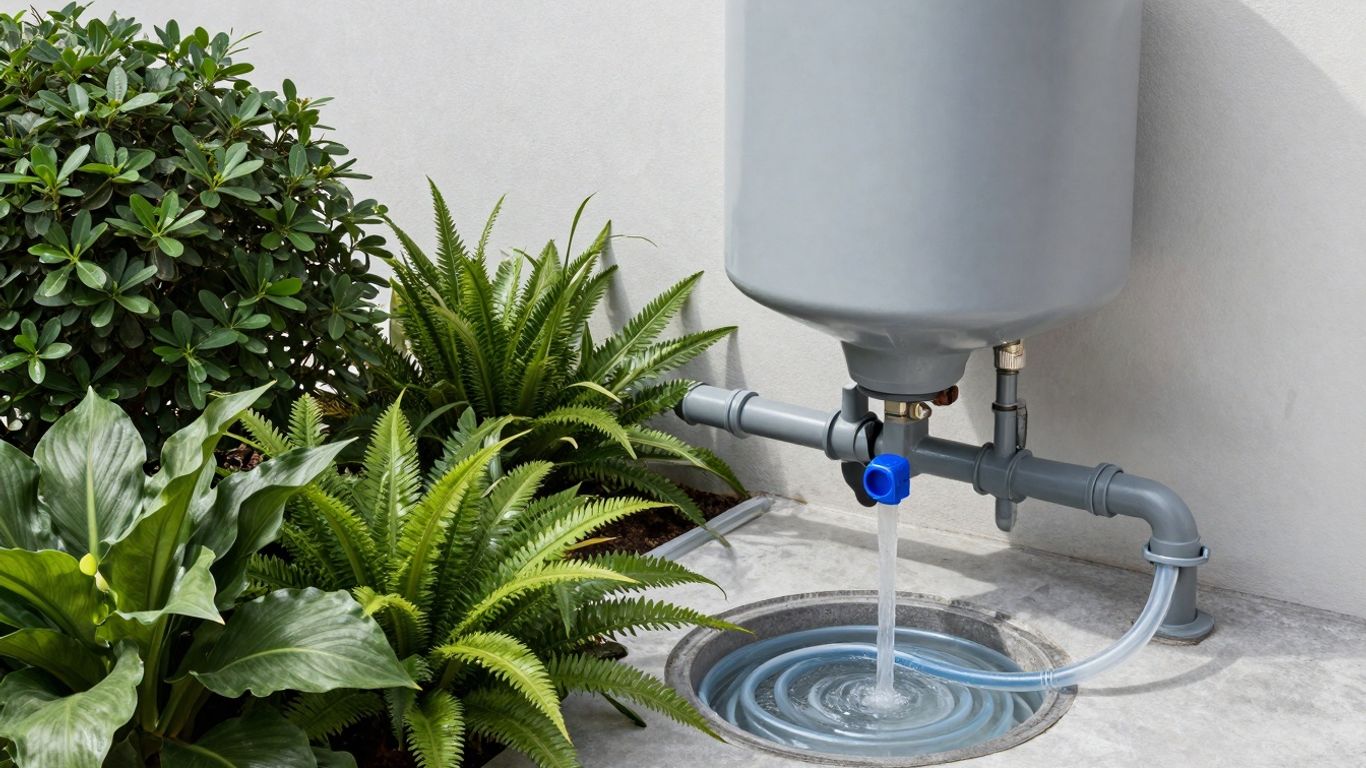
Right then, let’s talk about greywater recycling systems. You might have heard the term floating around, and it’s not just some fancy eco-fad. Basically, it’s about taking the water that’s already been used once – think showers, baths, and washing machines – and giving it a second life before it heads down the drain for good. We’re talking about water that’s not exactly pristine, but it’s also not sewage. It’s the ‘grey’ water, hence the name.
So, why should you even bother with this? Well, the most obvious reason is saving water. In the UK, we’re pretty lucky with our rainfall compared to some places, but water is still a precious resource, and the less we use, the better for everyone. These systems can seriously cut down on your household’s fresh water consumption. Imagine saving up to 40,000 gallons a year – that’s a lot of flushes or washing cycles! Plus, using less water means lower bills, which is always a win, isn’t it?
Setting one up involves a bit more than just a quick fix, mind you. You’ll typically have a separate plumbing network to collect the greywater. This water then goes through a filtration process to remove soaps, hair, and other bits and bobs. Once it’s cleaned up, it can be reused for things like flushing toilets, watering the garden, or even for your washing machine. It’s a clever way to be more sustainable around the house.
Here’s a quick rundown of what you can typically reuse greywater for:
- Toilet flushing
- Garden irrigation
- Washing machine refills
- Car washing
It’s not all sunshine and rainbows, though. There are a few things to keep in mind. Firstly, the initial cost can be a bit steep. Installing a whole new system isn’t cheap, and you’ll need to make sure it’s done properly by someone who knows their stuff. Also, you can’t just reuse any old greywater for anything. Water from the kitchen sink, for example, often has grease and food particles that make it unsuitable for most recycling purposes without more intensive treatment. And you’ve got to be mindful of the types of soaps and detergents you use; harsh chemicals aren’t ideal for reuse, especially if you’re watering plants.
The complexity of greywater systems can vary significantly. Some are relatively simple, diverting water from a washing machine directly to the garden. Others are far more elaborate, involving multiple collection points, advanced filtration, and storage tanks, all managed by sophisticated controls to ensure the water is safe and suitable for its intended purpose. The key is understanding your needs and the capabilities of the system you’re considering.
As we move further into the future, with water scarcity becoming a bigger talking point and environmental consciousness on the rise, systems like these are only going to become more common. They represent a smart, practical step towards making our homes more self-sufficient and less impactful on the planet. So, if you’re thinking about making your plumbing greener, a greywater recycling system is definitely one to look into.
3. Tankless Water Heaters
Right then, let’s talk about tankless water heaters. You know, those fancy ones that heat water as you need it, instead of keeping a big tank of it hot all the time? They’ve been around for a bit, but they’re really starting to make waves, and you’ll probably be seeing more of them, and maybe even having to sort out the odd issue with them, in 2026.
Think about it: no more running out of hot water halfway through a shower because someone else used it all up earlier. That’s a big plus, isn’t it? Plus, they’re generally more energy-efficient than the old storage tank models. We’re talking about saving a decent chunk on your energy bills, which is always good news. They can be anywhere from 8% to 34% more efficient, depending on how you use them and what kind of old system you’re replacing.
However, they’re not without their quirks. One of the main things to watch out for is the flow rate. If you’ve got a lot of people in the house all wanting hot water at the same time – say, someone’s in the shower, another’s doing dishes, and someone else is running the washing machine – a single unit might struggle to keep up. You might need a bigger unit, or even two, to handle that kind of demand.
Another point is the initial cost. They can be a bit pricier to buy and install than a traditional tank heater. So, while you save on energy in the long run, that upfront investment is something to consider.
Here are a few things to keep in mind when dealing with tankless water heaters:
- Installation: These units need specific venting and gas line requirements, which can sometimes make installation a bit more involved than just swapping out an old tank.
- Maintenance: Like any appliance, they need looking after. You’ll want to get them flushed out periodically, especially if you have hard water, to prevent mineral buildup. This stops them from working as well and can lead to problems down the line.
- Temperature fluctuations: Sometimes, especially with older models or if the demand is high, you might notice slight temperature changes. It’s not usually a major fault, but it can be a bit annoying.
When you’re troubleshooting a tankless water heater, always start with the basics. Check the power supply, make sure the gas is on, and look for any error codes on the unit itself. Sometimes, it’s just a simple reset or a quick clean of the filter that sorts things out. Don’t forget to check the water flow – a partially closed valve can cause all sorts of headaches.
So, while they offer some great benefits, understanding how they work and what potential issues can crop up is key. They’re definitely a growing part of the plumbing landscape, and knowing your way around them will be pretty useful in 2026.
4. High-Efficiency Toilets
Right then, let’s talk about toilets. You might think it’s a bit of a mundane topic, but honestly, the humble toilet is getting a serious tech upgrade, and by 2026, you’ll be seeing a lot more of the high-efficiency kind. These aren’t your grandad’s loos; they’re designed to use way less water without sacrificing performance. Think about it: a standard toilet can use up to 13 litres of water per flush, whereas a modern high-efficiency model might only use around 4.8 litres. That’s a massive saving over time, both for your water bill and for the planet.
So, what makes them so efficient? It usually comes down to a few key design features:
- Improved Flush Technology: Instead of relying on sheer volume of water, these toilets use clever engineering like larger flush valves and optimised trapways to create a stronger, more effective flush with less water. Some even use dual-flush systems, giving you the option of a full flush or a reduced flush for liquid waste.
- Water Conservation: This is the big one. By using significantly less water per flush, you’re directly cutting down on your household’s water consumption. For a busy family, this can add up to thousands of gallons saved each year.
- Reduced Strain on Septic Systems: If you’re on a septic system, using less water means your system doesn’t have to work as hard or fill up as quickly. This can lead to fewer maintenance issues and a longer lifespan for your septic tank.
When you’re looking to upgrade, you’ll notice a few different types emerging. Some are pretty standard but just use less water, while others are starting to incorporate smart features, which we’ll touch on elsewhere. For now, though, the focus is on getting the job done with minimal water.
The shift towards high-efficiency toilets isn’t just about saving money, though that’s a nice bonus. It’s a clear sign that we’re all becoming more conscious of our environmental impact. Plumbing technology is evolving to meet these demands, making it easier for us to make sustainable choices in our homes without really noticing the difference in daily use.
It’s worth noting that while the initial cost might be a tad higher than a basic model, the long-term savings on water bills and potential reduction in plumbing issues make them a sound investment. Plus, many local councils and water companies offer rebates or incentives for installing water-saving appliances like these, so it’s definitely worth checking what’s available in your area.
5. Smart Plumbing Fixtures
Right then, let’s talk about smart plumbing fixtures. You know, the kind of stuff that makes your bathroom and kitchen feel a bit more like the future. It’s not just about fancy gadgets anymore; these things are actually starting to make a real difference in how we use water and manage our homes.
Think about your shower. We’re seeing smart shower heads that let you set your perfect temperature and flow, and then save it. Some can even tell you when the water’s reached your desired heat, so you’re not just standing there waiting for it to warm up, which, let’s be honest, is a bit of a water-waster. These smart fixtures are becoming more common because they offer convenience and help you keep an eye on your water usage.
Then there are smart toilets. These aren’t just for show. They can offer hands-free flushing, which is pretty hygienic, and some even have adjustable water pressure for cleaning or heated seats – a real luxury on a cold morning! They’re designed to be more efficient too, using just the right amount of water for each flush.
It’s not just about the flashy stuff, though. Smart plumbing is also about being more aware. Devices like smart leak detectors are becoming a big deal. They monitor your water system and can alert you to leaks, sometimes even before you notice any damp patches or a higher water bill. This can save you a massive headache and a lot of money by preventing serious water damage.
Here’s a quick look at what you might find:
- Smart Shower Heads: Control temperature, flow, and save personalised settings. Some even have built-in speakers!
- Smart Toilets: Hands-free operation, bidet functions, heated seats, and efficient flushing.
- Smart Faucets: Touchless operation, precise temperature control, and some can even dispense pre-set amounts of water.
- Smart Leak Detectors: Monitor water flow and pressure, alerting you to potential leaks.
The integration of these smart devices into our homes is changing how we interact with our plumbing. It’s moving from a passive system that just delivers water to an active one that can provide feedback and control. This shift means we can be more mindful of our resource consumption and react faster if something goes wrong.
While the initial cost might seem a bit higher than traditional fixtures, the long-term benefits are pretty clear. You’re looking at potential savings on your water and energy bills, a reduction in water waste, and the peace of mind that comes with knowing your plumbing is working efficiently and that you’ll be alerted to problems quickly. It’s a smart move for any modern home.
6. Sump Pump System Issues
Right then, let’s talk about sump pumps. These things are usually tucked away in your basement or crawl space, doing their quiet job of keeping excess water from flooding your home. They’re especially important if you live in an area prone to heavy rain or have a high water table. But, like any bit of kit, they can throw a spanner in the works.
Winter can be a bit of a shocker for sump pumps. All that melting snow and ice can mean they’re working overtime. Sometimes, they just can’t keep up, or the cold itself can cause problems. You might not even realise there’s an issue until you’ve got a soggy basement. It’s a good idea to give your sump pump a once-over before the really wet weather hits, or certainly after a tough winter.
What sort of issues can you expect? Well, a few things:
- Mechanical Failures: The pump itself might just give up the ghost. This could be due to wear and tear, or a component failing. They don’t last forever, you know. Most sump pumps have a lifespan of around 10 years, so if yours is getting on a bit, it might be time to think about a replacement.
- Electrical Problems: Sump pumps need power to work. If the power supply is interrupted, or the wiring gets damaged (perhaps by dampness or pests), it won’t run. A backup battery is a lifesaver here, but even those need checking.
- Clogs and Blockages: Debris can get into the pump or the discharge pipe, stopping water from being moved away from your house. Things like dirt, gravel, or even small bits of plastic can cause a blockage.
- Float Switch Issues: This is the bit that tells the pump when to turn on and off. If it gets stuck, or isn’t positioned correctly, the pump might not activate when it should, or it might run constantly.
Here’s a quick look at typical sump pump lifespans:
| Component | Average Lifespan |
|---|---|
| Sump Pump | 10 years |
| Backup Battery | 3-5 years |
If you’re noticing strange noises, the pump isn’t running when it should, or you’re seeing water where you really don’t want it, it’s time to get it checked out. Ignoring these signs is just asking for trouble, and a flooded basement is a proper headache to deal with.
You might think your sump pump is just a simple device, but it’s actually a pretty vital piece of kit for protecting your home from water damage. Regular checks and maintenance can save you a lot of hassle and expense down the line. Don’t wait for a problem to happen; be proactive!
7. Water Heater Issues
Right then, let’s talk about your water heater. It’s one of those things you probably don’t think about much until it stops working, and then suddenly, you’ve got a real problem on your hands, haven’t you? Cold showers are nobody’s idea of fun, especially when the weather’s not playing ball.
Water heaters, like most appliances, don’t last forever. If yours is getting on a bit in years, you might start noticing a few things. We’re talking about things like the water not getting as hot as it used to, or maybe it’s taking ages to heat up. Sometimes, you might even hear strange noises coming from it – a bit of rumbling or popping can be a sign that sediment has built up inside. That sediment can make the heater work harder and less efficiently, and over time, it can even cause damage.
The lifespan of your water heater really depends on the type and how well you look after it. Generally speaking, a standard tank water heater might give you about 10 to 12 years of service, maybe a bit longer if it’s electric. Tankless models, which heat water on demand, can sometimes last even longer, potentially up to 20 years, but they come with their own set of considerations.
Here are a few common water heater headaches you might run into:
- Not enough hot water: This could be down to a few things. Maybe the thermostat is set too low, or perhaps the heating element (in electric models) is on its way out. For gas heaters, it could be an issue with the burner.
- Water not heating at all: This is a more serious one. It could be a tripped circuit breaker for electric heaters, a faulty thermocouple for gas ones, or a complete failure of a heating element or gas valve.
- Leaking: A small leak around the base might be fixable, perhaps a loose connection. But if you see water coming from the tank itself, that’s usually a sign that the tank has corroded and it’s time for a replacement. You don’t want a burst tank on your hands!
- Strange noises: As mentioned, rumbling or popping sounds often mean sediment build-up. This isn’t just annoying; it can reduce efficiency and shorten the heater’s life.
- Discoloured or smelly water: This can indicate corrosion inside the tank or issues with the anode rod, which is designed to protect the tank from rust. If the water looks rusty or smells a bit off, it’s definitely worth getting checked out.
When it comes to water heaters, a bit of regular maintenance can make a world of difference. Flushing the tank annually to remove sediment, checking the anode rod, and ensuring the temperature and pressure relief valve is working correctly can help prevent bigger problems down the line and extend the life of your unit. It’s not exactly glamorous, but it beats a cold shower, doesn’t it?
If your water heater is pushing past the decade mark, or if you’re experiencing any of these issues, it might be wise to start thinking about a replacement. Newer models are often much more energy-efficient, which can save you a fair bit on your bills over time. Plus, getting ahead of a potential breakdown means you can choose a new one at your own pace, rather than being forced into a rushed decision when you’re already without hot water.
8. Frozen/Burst Septic Lines
Right then, let’s talk about something nobody really wants to think about: your septic lines freezing and, even worse, bursting. It sounds pretty grim, and honestly, it can be a real headache. While we often focus on the water pipes inside our homes, the pipes that carry waste away are just as vulnerable, especially when the temperatures really drop.
When winter bites hard, the ground can freeze quite deep. If your septic lines aren’t buried deep enough or aren’t properly insulated, that freezing can creep in. Water expands when it freezes, and if it’s trapped in a pipe, that expansion can put immense pressure on the pipe walls. This is how you end up with a burst septic line, and trust me, it’s not a pleasant situation to deal with.
What does a frozen or burst septic line actually mean for you? Well, it usually means a blockage. All the waste that should be flowing away from your house gets stuck. This can lead to slow drains, gurgling sounds from your toilets and sinks, and in the worst-case scenario, sewage backing up into your home. Nobody wants that smell or mess.
Beyond the immediate mess and inconvenience, there’s another serious risk. If a septic line bursts, it’s not just about stopping flow. It can also create openings where groundwater can seep into the septic system, or worse, where the contents of your septic tank can leak out. This can contaminate local soil and water sources, which is a big environmental no-no and can lead to hefty fines.
So, what can you do about it? Prevention is definitely key here. Making sure your septic tank and lines are properly maintained is the first step. Regular inspections by a professional can help identify any potential issues before they become major problems. They can check the depth of the lines, look for any signs of damage, and ensure the system is functioning as it should.
If you live in an area that experiences harsh winters, you might consider having your septic lines insulated. This can involve adding extra protective layers around the pipes or ensuring they are buried below the typical frost line. It’s an investment, but it can save you a fortune in potential repair costs and the sheer misery of dealing with a sewage backup.
Dealing with a frozen or burst septic line is a serious plumbing emergency. It’s not just about an inconvenience; it’s about protecting your home from damage and preventing environmental contamination. If you suspect you have an issue, don’t delay in calling a professional.
After a particularly cold spell, it’s always a good idea to have your septic system checked. A plumber can look for signs of freezing or damage that might not be immediately obvious. They can also advise on best practices for winterizing your system if you’re not already doing so.
Here are a few things to keep an eye out for:
- Unusual gurgling noises from drains or toilets.
- Slow draining sinks or showers.
- Sewage odours around your home or yard.
- Actual sewage backing up into your drains or toilets.
If you notice any of these, especially after a cold snap, get in touch with a plumber straight away. They’ll be able to assess the situation and get things sorted before it escalates into a much bigger, and smellier, problem.
9. Frozen/Burst Outdoor/Indoor Water Pipes
Right then, let’s talk about frozen pipes. It’s a classic winter woe, isn’t it? You wake up, turn on the tap, and… nothing. Or worse, you hear a strange gurgling sound, or see a damp patch on the ceiling. That’s usually your cue that a pipe has decided to have a bit of a meltdown, literally.
When the temperature plummets, water inside your pipes can freeze. As water freezes, it expands, and that expansion puts a massive amount of pressure on the pipe walls. If the pipe can’t handle that pressure, it’s going to split. This can happen both inside your house, hidden away in walls or under floors, and outside, in those pipes that feed your garden taps or even your main water supply line coming into the house.
The real sneaky bit is when pipes burst inside your walls – you might not even know until the damage is quite significant. You could be looking at ruined plaster, damaged flooring, and a hefty bill to sort it all out. Outdoor pipes are a bit more obvious, but they still need sorting quickly to get your water back on.
So, what can you do about it? Well, prevention is definitely better than cure here. If you know you’re in an area prone to freezing, or you’ve had issues before, there are a few things to consider:
- Insulate, insulate, insulate: Getting pipes, especially those near external walls or in unheated spaces like garages or basements, properly insulated can make a huge difference. It acts like a cosy blanket, helping to keep the water inside from getting too cold.
- Let the taps drip: In really cold snaps, letting a small trickle of water run from a tap can stop pipes from freezing. Moving water is much harder to freeze than still water. It might seem wasteful, but it’s often cheaper than fixing a burst pipe.
- Know where your main stopcock is: This is the valve that shuts off your water supply to the whole house. If you do get a burst, knowing how to turn off the water quickly can prevent a lot of damage.
- Winter-proof outdoor taps: Make sure any outdoor taps are drained and ideally have a frost-proof cover. Disconnect any hoses too, as water trapped in them can freeze and damage the tap.
If the worst happens and you find a frozen pipe, don’t try to thaw it with a naked flame! You could cause a fire or damage the pipe further. A hairdryer on a low setting, or wrapping the pipe in warm cloths, is a much safer bet. If you’re unsure, or if a pipe has already burst, it’s always best to call in a professional plumber. They’ve got the tools and the know-how to sort it out safely and efficiently.
Dealing with frozen or burst pipes isn’t just about the inconvenience of no water; it’s about the potential for serious water damage to your home. Taking proactive steps, especially in colder months, can save you a lot of stress and expense down the line. Regular checks and proper insulation are your best defence against these chilly plumbing problems.
10. Damaged Outdoor Drains
Right then, let’s talk about those outdoor drains. You know, the ones that sit out there, minding their own business, collecting rainwater and generally keeping your garden from turning into a swamp. Come 2026, you might find yourself dealing with more issues related to these unsung heroes of your home’s drainage system.
Winter, as you’ve probably noticed, can be a bit rough on everything, and your outdoor drains are no exception. If you’ve got plastic ones, they can become brittle in the cold and might just crack under the pressure of freezing water or even just being stepped on. Even if they’re clear of debris, water can pool, freeze, and expand, putting a real strain on the material. This is why checking them after the winter months is a really good idea.
So, what kind of damage are we talking about? Well, it’s usually a few things:
- Cracks and Fractures: This is the most common. Water gets in, freezes, expands, and crack. You might see a visible split, or it could be a hairline fracture that lets water seep out where it shouldn’t.
- Blockages: Leaves, mud, and general garden gunk can build up. If this gets frozen solid, it’s a proper nightmare to clear and can put pressure on the drain walls.
- Dislodging: Sometimes, the ground around the drain can shift with the freeze-thaw cycle, loosening the drain or even causing it to sink.
If you find your outdoor drains are damaged, you’ll likely need to get them repaired or, more often than not, replaced. When you’re getting them sorted, it’s worth thinking about upgrading. Metal drains, for instance, tend to be a lot more robust and less prone to cracking in the cold compared to plastic ones. It’s a bit of an investment, sure, but it could save you hassle down the line.
Even with tougher materials, you still need to keep an eye on them. Regular clearing out of leaves and debris is key. You don’t want water sitting there, waiting for the next cold snap.
Dealing with damaged outdoor drains isn’t the most glamorous part of home maintenance, but it’s important. A properly functioning drain system stops water from pooling around your foundations, which can cause all sorts of damp and structural problems. So, getting them sorted promptly is really in your best interest.
Here’s a quick rundown of what to look out for:
- Visual Inspection: After winter, walk around and just look at your drains. See any obvious cracks or damage?
- Water Flow Test: Pour a bucket of water down each drain. Does it drain away quickly, or does it sit there?
- Check for Pooling: Is water collecting around the drain after it rains or after you’ve tested it?
Ignoring damaged outdoor drains can lead to bigger problems, like water seeping into your home’s foundations or creating soggy patches in your garden that never seem to dry out. So, keep an eye on them, and don’t put off getting them fixed.
So, What’s Next for Your Pipes?
Right then, it’s clear that 2026 is shaping up to be a bit of a wild ride for anyone working with pipes. From keeping up with all the new smart gadgets homeowners are suddenly wanting, to dealing with those pesky labour shortages, you’ve got your work cut out for you. It’s not just about fixing leaks anymore, is it? You’ll need to be a bit of a tech whiz and a good communicator too. Just remember to keep an eye on what’s coming next, maybe even check out one of those trade shows, and you’ll be fine. You’ve got this.