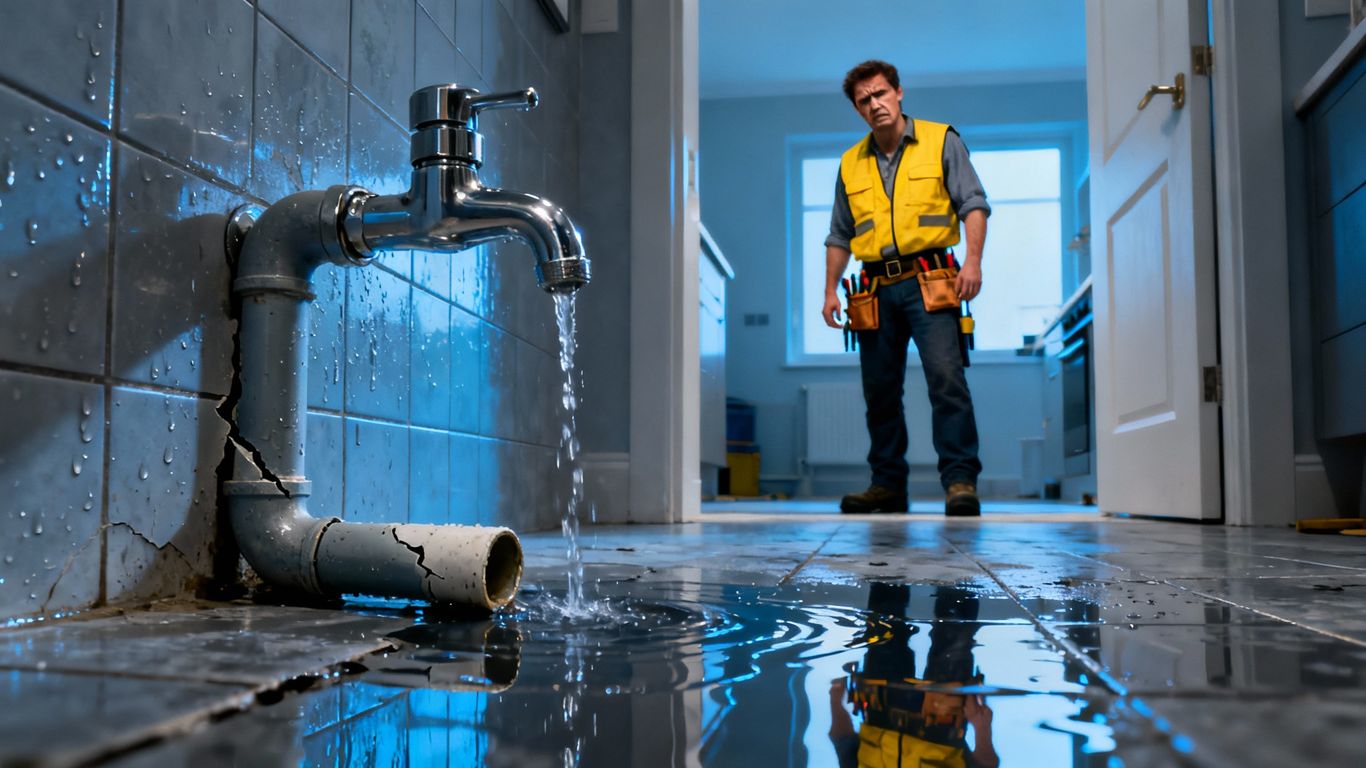
Right then, 2026 is just around the corner, and you know what that means – new challenges are popping up on the worksite. It’s not just about dodging falling hammers or tripping over stray cables anymore. We’re talking about stuff that messes with your head and things that come straight out of a sci-fi flick. Keeping yourself and the crew safe is always top of the list, so let’s have a look at some of the worksite hazards 2026 might throw our way.
Key Takeaways
- The old ways of just focusing on physical safety aren’t enough anymore. You need to watch out for things like burnout and stress, which can be just as dangerous as a dodgy ladder.
- Keep an eye on new tech like AI and wearables. They could help spot problems before they happen, but you also need to make sure they’re not creating new risks themselves.
- Get ready for training that’s a bit more out there, like using VR to practice tricky jobs. It’s all about making sure you’re prepared for anything, even when the work gets a bit futuristic.
The Evolving Landscape of Worksite Hazards 2026
Right then, let’s have a look at how things are shaping up for worksite safety as we head into 2026. It’s not just about hard hats and high-vis anymore, is it? The whole picture of what makes a workplace safe has really broadened out. You’ve probably noticed it yourself – the old ways of just ticking boxes and filling out forms aren’t quite cutting it. We’re talking about a much more rounded approach now, one that considers how people actually feel and operate at work, not just whether they’re likely to trip over something.
Psychosocial Safety: Beyond the Physical
This is a big one. We’re seeing a real shift towards understanding that mental wellbeing and how you’re treated at work are just as important as avoiding a nasty fall. Think about it: constant pressure, unclear job roles, or feeling like you’re being bullied can really take a toll, just as much as a physical hazard. It’s not just about being nice; there are actual regulations coming into play that require employers to get a handle on these ‘psychosocial hazards’. Things like burnout, stress from having too much to do, or even just a toxic atmosphere are now recognised as risks that need managing. It’s like dealing with a leaky pipe – you wouldn’t just leave it, would you? You’d fix it. Well, the same logic applies to signs of stress or people feeling overwhelmed. The companies that are doing well are the ones that treat mental health risks with the same seriousness as a physical danger, assessing them, planning how to deal with them, and making it normal to talk about these things.
The focus is shifting from just preventing accidents to actively promoting a healthy working environment, both physically and mentally. This means looking at workloads, team dynamics, and how people are supported.
Here’s a bit of a breakdown of what this looks like:
- Burnout: Recognising the signs and having strategies to prevent it, like managing workloads and encouraging breaks.
- Bullying and Harassment: Clear policies and procedures for reporting and dealing with these issues effectively.
- Role Clarity: Making sure everyone knows what’s expected of them to reduce stress and confusion.
- Workload Management: Ensuring tasks are distributed fairly and that people aren’t consistently overloaded.
The Digital Frontier: AI and Wearable Tech
Now, let’s talk tech. It’s everywhere, isn’t it? And worksite safety is no exception. Artificial Intelligence (AI) is starting to play a role in all sorts of ways. We’re seeing it used for things like checking safety records automatically, spotting potential hazards before they become a problem, and even predicting when an accident might be more likely to happen. It’s not about replacing people, though. The idea is that AI can take over some of the more repetitive or data-heavy tasks, freeing up people to focus on the important stuff – like thinking critically and making quick, smart decisions when it matters. It’s about making safety management smarter, not just more automated.
Then there’s wearable tech. You know, those smartwatches and fitness trackers? Well, they’re finding their way onto worksites too. Imagine a hard hat that monitors your body temperature or a vest that tracks your heart rate. These devices can give instant alerts if something’s wrong, like dangerous gas levels or if someone’s getting too fatigued. They can also keep a log of health data, which is handy for making sure you’re meeting all the safety requirements and staying compliant. Some companies are already reporting pretty good results, like fewer accidents and people working more efficiently, just by using these kinds of smart devices. It’s a bit like having an extra pair of eyes, but for your health and safety.
Here’s a quick look at how these technologies are being used:
- AI for Hazard Reporting: Systems that can analyse reports and identify patterns or emerging risks.
- Predictive Analytics: Using data to forecast where and when safety incidents might occur.
- Smart Helmets: Monitoring worker vitals and environmental conditions.
- Wearable Sensors: Tracking exposure to heat, gases, or physical strain.
It’s a bit of a game-changer, really. These tools aren’t just fancy gadgets; they’re becoming practical ways to keep people safer and healthier on the job. The market for wearable tech is set to grow massively, and it’s easy to see why when you look at the potential benefits for safety and productivity.
Emerging Threats and Proactive Measures
Right then, let’s talk about what’s coming down the pipeline for worksite safety in 2026. It’s not just about tripping hazards and hard hats anymore, is it? We’re seeing new kinds of risks pop up, especially with all the new tech creeping into our jobs.
Augmented Reality and Virtual Training
Remember when training videos were the height of technology? Well, buckle up, because Augmented Reality (AR) and Virtual Reality (VR) are changing the game. Imagine putting on a headset and suddenly you’re in a simulated dangerous situation – maybe a chemical spill or a complex piece of machinery malfunctioning. AR can overlay digital information onto your real-world view, showing you exactly where to make a cut or how to assemble something tricky. VR, on the other hand, completely immerses you in a digital environment.
This isn’t just for video game enthusiasts, you know. For jobs that involve a lot of risk, like working at heights or handling hazardous materials, this kind of training is a lifesaver. You can practice emergency responses over and over without any actual danger. It helps you get a feel for what to do when things go wrong, and honestly, it’s a lot more engaging than reading a manual.
- Practice makes perfect: Repeated exposure to simulated hazards builds muscle memory and quick thinking.
- Safe environment: Learn and make mistakes without real-world consequences.
- Cost-effective: Reduces the need for expensive physical setups or real-life drills.
- Customisable scenarios: Training can be tailored to specific job roles and potential incidents.
The real benefit here is that you can get a much better handle on hazard recognition and how to react when things get hairy. It’s like having a crystal ball for potential problems, letting you prepare for the worst without actually experiencing it.
We’re moving beyond simply telling people about risks. We’re showing them, letting them experience it in a controlled way. This builds a deeper, more instinctive understanding of safety protocols.
Robotics and Automation in Hazardous Roles
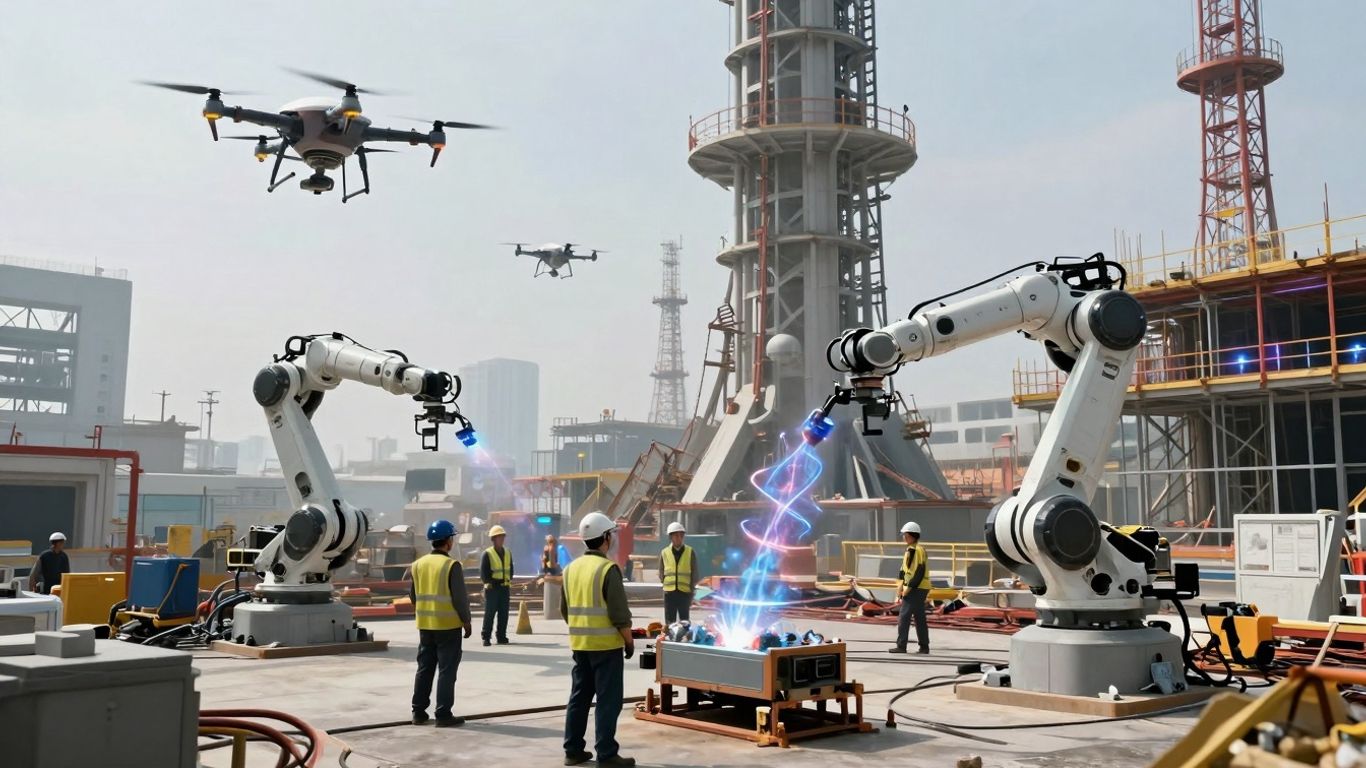
Now, let’s talk about robots. They’re not just in factories anymore. We’re seeing them being used more and more in jobs that are just too dangerous for us humans. Think about inspecting a dodgy bridge, cleaning up toxic waste, or working deep underground. Sending a robot in first means fewer people are exposed to nasty chemicals, extreme temperatures, or the risk of collapse.
These aren’t clunky, basic machines either. We’re talking about sophisticated robots that can perform complex tasks, collect data, and even make minor repairs. They can work in conditions that would be impossible for us, like in radioactive zones or at the bottom of the ocean.
Here’s a quick look at how they’re being used:
- Inspection and Monitoring: Robots equipped with cameras and sensors can check structures for damage or monitor environmental conditions in real-time.
- Hazardous Material Handling: They can safely move, contain, or clean up dangerous substances.
- Repetitive or Strenuous Tasks: Automating physically demanding jobs reduces the risk of long-term injuries like strains and sprains.
- Remote Operations: Allowing workers to control robots from a safe distance, especially in high-risk areas.
It’s a bit of a double-edged sword, of course. While it protects workers from immediate danger, it also means we need to think about how we manage these machines and what happens to the jobs they take over. But from a pure safety perspective, having a robot do the really nasty bits is a massive win. It means fewer people coming home with injuries or long-term health problems. We’re essentially outsourcing the most dangerous parts of the job to machines that don’t feel pain or get tired.
So, What’s the Takeaway?
Right then, looking ahead to 2026, it’s pretty clear that staying safe on the tools isn’t just about the old-school stuff anymore. You’ve got to keep an eye on new tech like AI and AR, and don’t forget about looking after your mates’ mental wellbeing too. It’s a bit of a juggling act, but getting it right means everyone heads home in one piece. So, stay sharp, keep learning, and make sure you’re not caught out by what’s coming next.