Right then, you’re probably wondering about these new electric utes hitting the scene in NZ, or maybe you’re eyeing up a hybrid as a bit of a middle ground. It’s a bit of a minefield out there, trying to figure out what’s actually going to work for your day-to-day grind.
We’ll break down what you need to know about electric utes NZ has coming, and whether they’re the real deal for getting the job done, or if a hybrid might be a smarter bet for now.
Key Takeaways
- Thinking about an electric ute for your trade? Make sure it can handle the daily graft – charging, range, and load capacity are big factors.
- Hybrid utes might offer a good compromise, blending electric power for shorter trips with traditional grunt for when you really need it.
- Don’t forget about the practical stuff: towing capacity and payload are still king for many jobs, so check the specs carefully.
- The upfront cost of electric utes can be higher, but crunch the numbers on long-term savings like fuel and servicing.
- Keep an eye on what’s coming next – the electric ute market in NZ is changing fast, and hydrogen might be on the horizon.
The Electric Ute Arrives: What Kiwis Need To Know
Right then, you’re probably hearing a lot about electric utes these days. It feels like they’ve gone from a bit of a rumour to being right on our doorstep, doesn’t it?
For ages, if you wanted a fully electric ute here in New Zealand, your options were pretty slim, basically just the LDV eT60. And let’s be honest, that price tag was a bit of a shocker, nearly double the diesel version, and the range and towing weren’t exactly setting the world on fire.
But things are changing, and fast. Loads more electric ute models are on their way, from brands you’ll know and some new ones too. So, is one of these electric workhorses actually going to be right for you and your job?
Is An Electric Ute Right For Your Trade?
Thinking about making the switch to an electric ute for your work? It’s a big decision, and it’s not a simple ‘yes’ or ‘no’ for everyone. While the idea of zero tailpipe emissions, a quieter drive, and instant acceleration sounds pretty sweet, you’ve got to be realistic about how you use your ute day-to-day.
- Consider your typical workday: If your job involves short trips around town, like a plumber or an electrician doing local jobs, an electric ute could be brilliant. You’ll likely start each day with a full ‘tank’ if you can charge it at home.
- Long distances and remote sites: If you’re regularly heading out to far-flung farms, construction sites in the middle of nowhere, or doing long hauls across the country, you’ll need to plan your charging stops very carefully. Public charging infrastructure is still growing, and you don’t want to get caught out.
- Towing and heavy loads: This is a big one. While electric utes are getting better, their towing capacity and payload might not yet match up to what you’re used to with a diesel. If you’re constantly hauling heavy gear or towing a big trailer, you need to check the specs very closely.
The reality is, an electric ute might not support the exact same lifestyle as a diesel one, at least not yet. It’s about matching the vehicle to your specific needs, not just jumping on the latest trend.
Charging Up: Home Solar vs. Public Stations
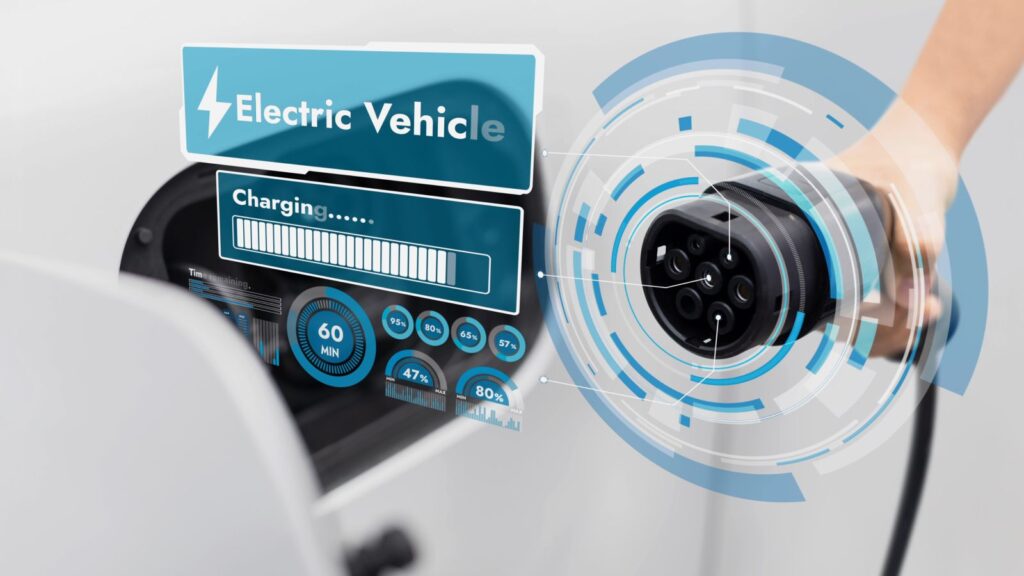
So, you’ve decided an electric ute might work for you. Now, where are you going to plug it in? This is probably the most important question you’ll face.
- Home Charging: This is the dream scenario, especially if you’ve got solar panels. Imagine waking up every morning with a fully charged ute, powered by the sun. It’s not only convenient but can save you a serious amount of money on ‘fuel’ over time. Most people’s daily commute is well within the range of a full charge, making this a very practical option.
- Public Charging: This is where things can get a bit more complicated. While the network is expanding, you can’t always rely on public chargers being available, working, or not having a queue. Plus, charging up at a public station can often be more expensive than charging at home, especially during peak times.
For most people, the ideal setup involves being able to charge at home, ideally with solar, to minimise running costs and maximise convenience. Relying solely on public chargers for a work ute can be a gamble.
Range Anxiety: Planning Your Workday Journeys
Ah, range anxiety. It’s the elephant in the room when it comes to electric vehicles, and it’s no different for utes. But with a bit of planning, it doesn’t have to be a deal-breaker.
- Know your daily mileage: Most of us don’t actually drive that far for work each day. If your daily mileage is, say, under 100km, then most electric utes on the market will easily cover that, even with a smaller battery.
- Factor in towing and load: Towing a trailer or carrying a heavy load will reduce your range. If you do this regularly, you’ll need to account for that extra energy drain when planning your trips.
- Map your routes: Before you head out on a longer job, take a few minutes to check where the charging stations are along your route. Apps and in-car navigation systems can help with this, but it’s always good to have a backup plan.
Ultimately, the electric ute is arriving, and it’s bringing some big changes. It’s not just about swapping a diesel engine for an electric motor; it’s about rethinking how you use your vehicle and where you get your energy from.
For the right person, it could be a game-changer. For others, it might mean waiting a little longer or considering a hybrid alternative.
Hybrid Utes: A Practical Alternative For The Tools
Right then, let’s talk about hybrid utes. If you’re looking at an electric ute but feeling a bit hesitant about the whole range thing, or maybe you just need something that can handle a bit of everything without too much fuss, a hybrid could be your sweet spot.
Think of it as getting a bit of both worlds – the electric kick for your daily run around town, and the trusty engine for those longer hauls or when you’re really loading it up.
Bridging The Gap: EV Range And Diesel Capability
So, what’s the deal with hybrids? Basically, they combine an electric motor with a traditional engine (usually petrol, but sometimes diesel).
This means you can often do your regular commute on electric power alone, saving you a packet on fuel and cutting down on emissions. But when you need more grunt, or you’re heading out of town and the battery’s low, the engine kicks in.
This flexibility is a big win for anyone who uses their ute for a mix of jobs. No more stressing about finding a charger in the middle of nowhere, or worrying if you’ve got enough juice to get that heavy load to the site.
It’s a bit like having your cake and eating it too. You get the quiet, smooth ride of electric for those shorter trips, and the familiar power and range of an engine for when the job demands it.
Plus, for many, it’s a gentler step into the world of electrified vehicles compared to going fully electric straight off the bat.
The BYD Shark: A Plug-In Contender
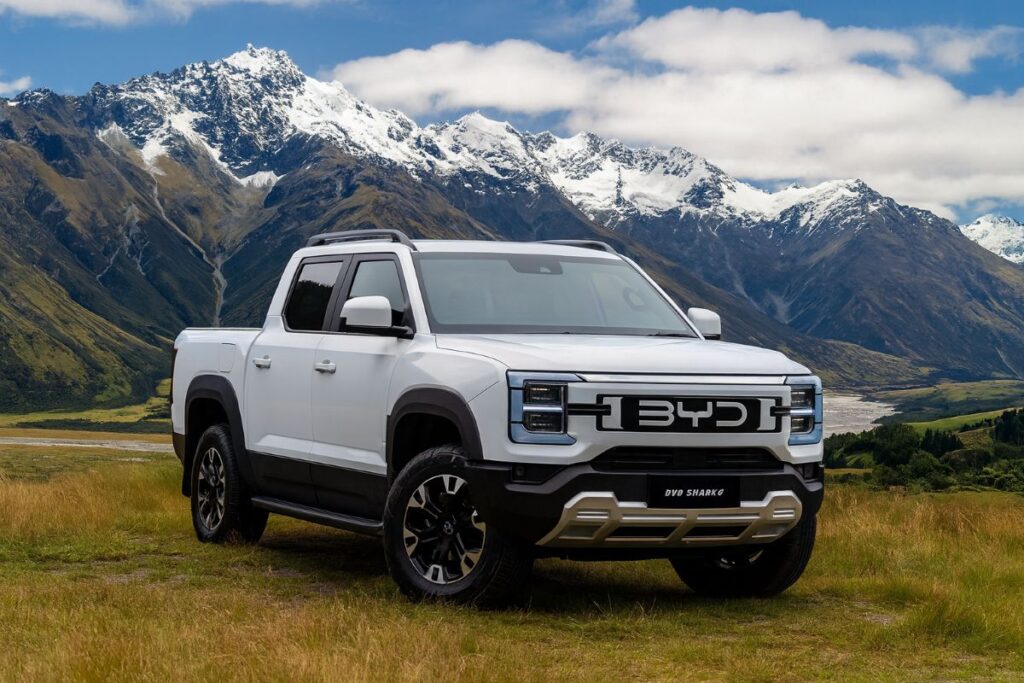
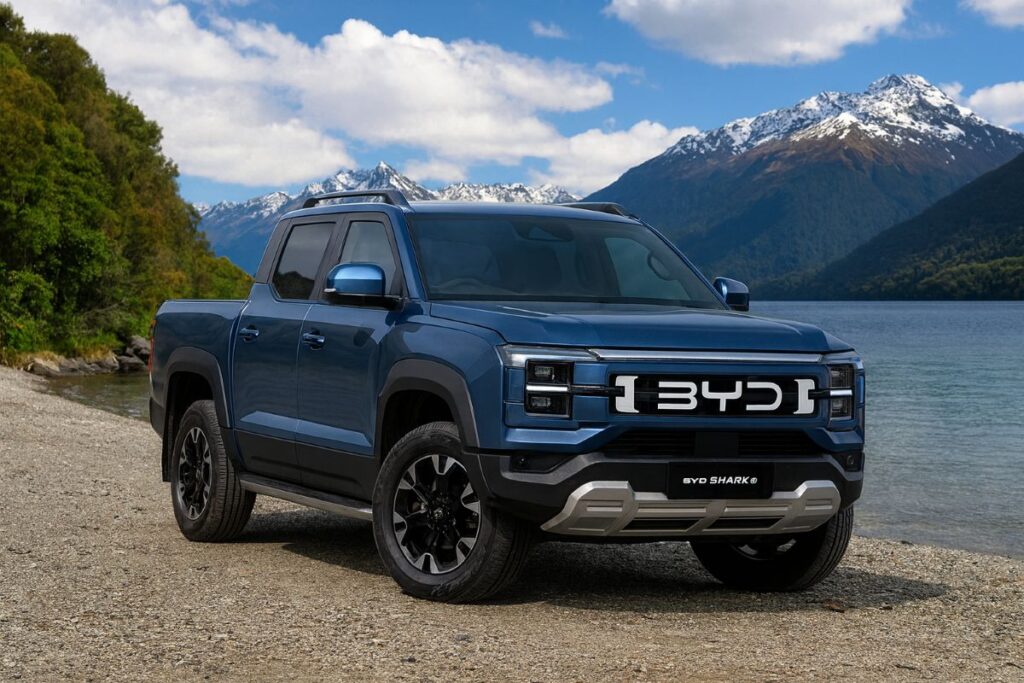
One of the big names popping up in the hybrid ute space is the BYD Shark. This one’s a plug-in hybrid (PHEV), which means you can actually plug it in to charge the battery, giving you a decent whack of electric-only range for your day-to-day driving.
We’re talking potentially around 100km on electric power alone, which is more than enough for most people’s weekly commutes. When you need to go further, or you’re towing something hefty, the petrol engine is there to back you up.
It’s designed to offer that blend of electric efficiency for urban driving and the robust capability you expect from a ute when you venture further afield.
It’s a smart setup that aims to give you the best of both worlds without the range anxiety that can sometimes come with fully electric vehicles.
You get the environmental benefits for your daily grind, and the freedom to take longer trips without constant charging stops.
Mitsubishi Triton Hybrid: A Kiwi Workhorse Evolving
Mitsubishi has a long history with utes here in New Zealand, and the Triton is a nameplate many trust. They’re working on bringing a hybrid version to market, and it’s shaping up to be a pretty interesting option.
Unlike some plug-in hybrids, the focus seems to be on a more traditional hybrid system, where the electric motor works alongside the engine to improve efficiency and performance. This setup often means they can keep a proper four-wheel-drive system intact, complete with low-range gears, which is a big deal for anyone heading off the beaten track or dealing with tough conditions.
The development of hybrid technology in established ute models like the Triton shows a clear move towards balancing traditional workhorse capabilities with the need for better fuel economy and lower emissions. It’s about evolving what a ute can do for you without asking you to completely change your habits.
While the exact specs and launch dates are still a bit fuzzy, the intention is clear: to offer a hybrid Triton that doesn’t compromise on the toughness and utility that Kiwis expect from their utes. It’s about making that transition to more efficient motoring a bit smoother for the tradies and adventurers out there.
Towing, Payload, And The Real-World Ute
Right then, let’s talk about the nitty-gritty of what a ute actually does. You’re not buying one of these to potter to the shops, are you? You need it to work. So, how do electric utes stack up when you’ve got a serious load to shift or a hefty trailer to pull?
Can Electric Utes Handle The Heavy Lifting?
This is where things get a bit interesting. While electric motors offer instant torque, which sounds great for hauling, the overall package of an electric ute needs careful consideration. The batteries themselves are heavy, and this can impact how much you can carry and tow compared to a traditional diesel. You really need to check the specs for your specific needs. Don’t just assume it’ll do what your old ute did.
Towing Capacity: What To Expect From Electric
If you’re regularly towing a 3.5-tonne boat or a big horse float, you might find that current electric utes aren’t quite there yet. Many are rated lower than their diesel counterparts. For instance, some early electric utes might only manage around 1,000kg towing, which is a fair bit less than the 3,500kg you might be used to. This is something you absolutely must check before you buy if towing is a big part of your work or leisure.
Here’s a rough idea of what to look out for:
- Electric Ute Towing: Often lower than diesel equivalents, check the specific model’s rating.
- Hybrid Ute Towing: Generally closer to diesel capabilities, especially plug-in hybrids.
- Diesel Ute Towing: Typically the benchmark, offering up to 3.5 tonnes braked.
Payload Practicalities For The Job Site
Similar to towing, payload is another area where you need to be sharp. A diesel ute can often carry a tonne or more in the tray.
With an electric ute, the added weight of the battery pack can reduce the maximum payload.
If you’re regularly chucking a few hundred kilos of tools, soil, or building materials in the back, you need to make sure the electric ute you’re looking at can handle it without exceeding its Gross Vehicle Mass (GVM).
It’s easy to get caught up in the shiny new tech, but for a workhorse, the old-fashioned numbers still matter most. Always verify the towing and payload capacities against your actual requirements. Don’t let the promise of electric power blind you to practical limitations.

The Cost Of Going Electric: Beyond The Sticker Price
Initial Investment: Electric Utes vs. Hybrids
So, you’re looking at electric utes and hybrids, and the big question is always going to be about the money, right? It’s not just about what you see on the price tag when you walk into the dealership.
Electric utes, at least for now, tend to have a higher upfront cost compared to their hybrid or traditional diesel counterparts.
Think of it like buying a fancy new gadget – the latest tech usually comes with a bit of a premium. This can be a bit of a shocker if you’re used to the prices of regular utes.
Hybrids, on the other hand, often sit somewhere in the middle, offering a bit of a compromise between the initial outlay and the long-term running costs.
Long-Term Savings: Fuel, Servicing, And FBT
This is where things start to get interesting, and where that higher initial price for an electric ute might start to make sense.
You’re looking at significantly lower running costs. Forget about petrol station prices; charging an EV at home, especially if you’ve got solar panels, can be incredibly cheap.
Even using public chargers, it often works out cheaper per kilometre than filling up with diesel. Servicing is usually simpler too – fewer moving parts means less to go wrong and potentially fewer trips to the mechanic.
Plus, there’s the Fringe Benefits Tax (FBT) exemption for eligible electric vehicles. This exemption can save you thousands of dollars each year on your taxable income, which is a pretty big deal for tradies and business owners.
Here’s a rough idea of what you might save:
| Cost Category | Electric Ute (Estimated) | Hybrid Ute (Estimated) | Diesel Ute (Estimated) |
|---|---|---|---|
| Fuel/Energy | Low | Medium | High |
| Servicing | Low | Medium | Medium |
| FBT Exemption | Yes (up to threshold) | No | No |
Depreciation: What To Consider For Your Next Ute
Depreciation is always a bit of a worry when you buy a new vehicle, and it’s no different with electric utes. The market for EVs is still evolving, so predicting how well they’ll hold their value in, say, five years can be tricky.
Some experts think they’ll hold up well, especially as demand grows, while others are a bit more cautious. It’s worth doing some digging into what similar electric vehicles have depreciated like over the past few years.
Hybrids might offer a more predictable depreciation curve, given their longer track record. It’s a bit of a gamble, but one you need to factor into the total cost of ownership.
When you’re crunching the numbers, don’t just look at the sticker price. Think about how much you’ll save on fuel and maintenance over the years, and consider any tax benefits.
These hidden costs and savings can make a big difference to whether an electric ute is actually cheaper to own than a traditional diesel or a hybrid in the long run.
Future Gazing: What’s Next For Electric Utes In NZ?
So, you’re thinking about the future of the humble ute, especially with all this electric and hybrid talk. It’s a bit of a head-scratcher, isn’t it?
We’ve all grown up with those trusty diesel workhorses, and the idea of switching to something completely different can feel like a big leap.
But honestly, the landscape is changing faster than you might think.
The Incoming Wave Of Electric Ute Models
Right now, the choice for fully electric utes is pretty slim, but that’s about to change. We’re looking at a whole lot more models arriving over the next few years.
Think brands you already know, and some new ones too. We’re expecting electric versions of popular models, and some entirely new contenders.
It’s going to be interesting to see how they stack up against each other. The real test will be whether they can match the grunt and versatility we expect from a ute.
Here’s a peek at what might be on the horizon:
- Chinese Manufacturers: Expect more from brands like BYD, GWM, and LDV, bringing their latest electric ute designs.
- Established Players: Rumours are swirling about electric versions of the Toyota HiLux and Isuzu D-MAX, which would be massive.
- New Entrants: Keep an eye out for electric utes from Kia and even Ford, potentially based on their Ranger platform.
Hydrogen: The Next Frontier For Workhorses?
While electric is the current buzz, some folks in the know reckon hydrogen could be the long-term successor to diesel.
It sounds a bit sci-fi, but the idea is that hydrogen could power engines in a way that’s cleaner than petrol or diesel.
It’s still early days, and the infrastructure isn’t really there yet, but it’s definitely something to keep an eye on for the future of heavy-duty vehicles.
It might be a while before we see hydrogen utes readily available, but it’s a possibility.
The automotive world is always looking for the next big thing. While electric power is making big strides now, the quest for cleaner and more efficient energy sources continues.
Hydrogen presents a different path, potentially offering a way to keep the familiar feel of combustion engines while reducing emissions.
It’s a complex challenge, but one that could reshape the ute market down the line.
When To Buy: Early Adopter Or Wait And See?
This is the million-dollar question, isn’t it? Being an early adopter of new tech can be exciting, but it often comes with a higher price tag and the risk of being stuck with older technology sooner than you’d like.
Think about how quickly things like CD players went from cutting-edge to obsolete. For a work vehicle like a ute, reliability and cost-effectiveness are usually top priorities.
Waiting a bit longer might mean you get a more refined product, better charging infrastructure, and potentially lower prices.
It’s a balancing act between getting in on the ground floor and waiting for the kinks to be ironed out. You’ll want to check out the latest developments in the truck parts industry in Auckland to see how technology is shaping things.
For now, it might be worth weighing up the current offerings and seeing what the next couple of years bring before making a final decision on your next ute.
Insurance And Ute Ownership In The Electric Age
Right then, you’ve been looking at electric utes, maybe even got your eye on a hybrid. That’s all well and good, but have you thought about the insurance side of things?
It’s not exactly the most exciting topic, I know, but it’s pretty important.
Comprehensive Cover For Your Electric Ute
So, you can get the usual types of cover for an electric ute, just like you would for any other car.
We’re talking Comprehensive, Third Party Fire & Theft, and Third Party Property Only. If you go for Comprehensive, which is usually the best bet for peace of mind, you’ll likely get breakdown assistance thrown in.
This is a big one for electric utes – if you run out of charge, they’ll tow you to the nearest charging spot. It’s good to know that’s sorted, especially when you’re out and about.
Protecting Your Gear: Tools And Business Items
Now, a ute isn’t just a car, is it? It’s a workhorse. You’ve probably got tools, equipment, maybe even stock in the back.
Standard car insurance often doesn’t cover that stuff if it gets nicked or damaged. But, good news, you can usually get optional extras to cover your business items.
It’s worth checking the limits and what exactly is covered, but it means you won’t be left high and dry if your expensive gear goes missing.
Navigating Insurance For Mixed-Use Utes
Lots of us use our utes for both work and play. Weekdays it’s all business, weekends it’s off to the bach or the rugby. When it comes to insurance, you need to be upfront about how you use it.
If it’s primarily a work vehicle, you might need a commercial policy. If it’s more of a 50/50 split, you’ll want to chat with your insurer about the best way to cover it.
They’ll want to know about the mileage for each use, the type of work you do, and what you carry.
It can get a bit fiddly, but getting it right means you’re properly covered when you need it most.
So, what’s the verdict?
Right then, after all that chinwagging about electric and hybrid utes, you’re probably wondering what you should actually do.
Look, if you’re mostly sticking to the city for work and home, and you can charge up easily, an electric ute might just be your jam.
But if you’re heading out bush, towing the boat, or just like the idea of not stressing about where the next plug is, a hybrid ute still looks like a pretty solid bet for now.
It’s a bit of a personal call, really. Have a good think about how you actually use your ute day-to-day, and maybe wait a bit longer if you’re not totally convinced.
The tech’s changing fast, and who knows what’ll be around the corner.