Right then, let’s have a yarn about workplace safety 2026. You’re probably thinking, ‘Another load of rules?’ But honestly, keeping yourself and your mates safe on site is just part of the job, innit?
It’s not just about avoiding a telling-off from the boss or a fine; it’s about making sure you actually make it home in one piece at the end of the day. We’ve all seen or heard about things going pear-shaped on site, and usually, it’s down to something pretty basic. So, let’s get stuck into what you really need to know to keep things running smoothly and safely.
Key Takeaways
- Always double-check you’ve got the right Personal Protective Equipment (PPE) and that it fits properly. It’s your first line of defence, so don’t skimp on it.
- Working at heights or on scaffolding? Make sure everything’s secured and you know the safe way to do it. A slip up here can be serious business.
- Watch your step! Slips, trips, and falls are way too common. Keep walkways clear and be aware of your surroundings, especially when carrying stuff.
- When you’re moving materials, whether it’s by hand or machine, know the safe limits and procedures. Don’t be a hero and try to lift something that’s too heavy.
- New to a job or a new site? Make sure you get the proper induction and training. If you’re not sure about something, ask. It’s better to ask than to have an accident.
Personal Protective Equipment Compliance
Right then, let’s talk about PPE. You know, the gear that’s supposed to keep you from getting hurt on the job. It’s not just about looking the part; it’s genuinely important for your safety. We’re talking about things like hard hats, safety glasses, gloves, high-vis vests – the whole lot. The main idea is that this equipment is your first line of defence against all sorts of nasty hazards you might run into.
Think about it. You’re on a site, maybe there’s stuff falling from above, or you’re working with machinery, or chemicals. Without the right protection, a minor incident could turn into something much worse, really quickly. It’s not just about following rules for the sake of it; it’s about making sure you go home in one piece at the end of the day.
Here’s a quick rundown of what you should expect and what’s expected of you:
- Know Your Gear: Make sure you’re using the correct PPE for the specific task you’re doing. A hard hat won’t stop chemicals splashing in your eyes, and gloves won’t protect your head.
- Fit Matters: PPE that doesn’t fit properly is basically useless, and can even be a hazard itself. If your safety glasses keep slipping down or your gloves are too big, say something.
- Keep It In Good Nick: Regularly check your PPE for any damage. Frayed straps, cracked lenses, or worn-out soles mean it’s time for a replacement. Don’t try to make do with faulty gear.
- Training is Key: You should be shown how to use your PPE correctly and how to look after it. If you’re not sure about anything, ask.
It’s easy to get a bit complacent, especially if you’ve been doing the same job for ages. You might think, ‘Ah, I’ll just nip over there quickly without my helmet on,’ or ‘This vest is a bit warm, I’ll take it off for a bit.’ But that’s exactly when things can go wrong. Those few seconds without protection can be the ones that matter most.
So, yeah, PPE compliance. It might seem like a hassle sometimes, but honestly, it’s one of the simplest ways to look after yourself and your mates on site. Don’t cut corners on it.
Working At Heights
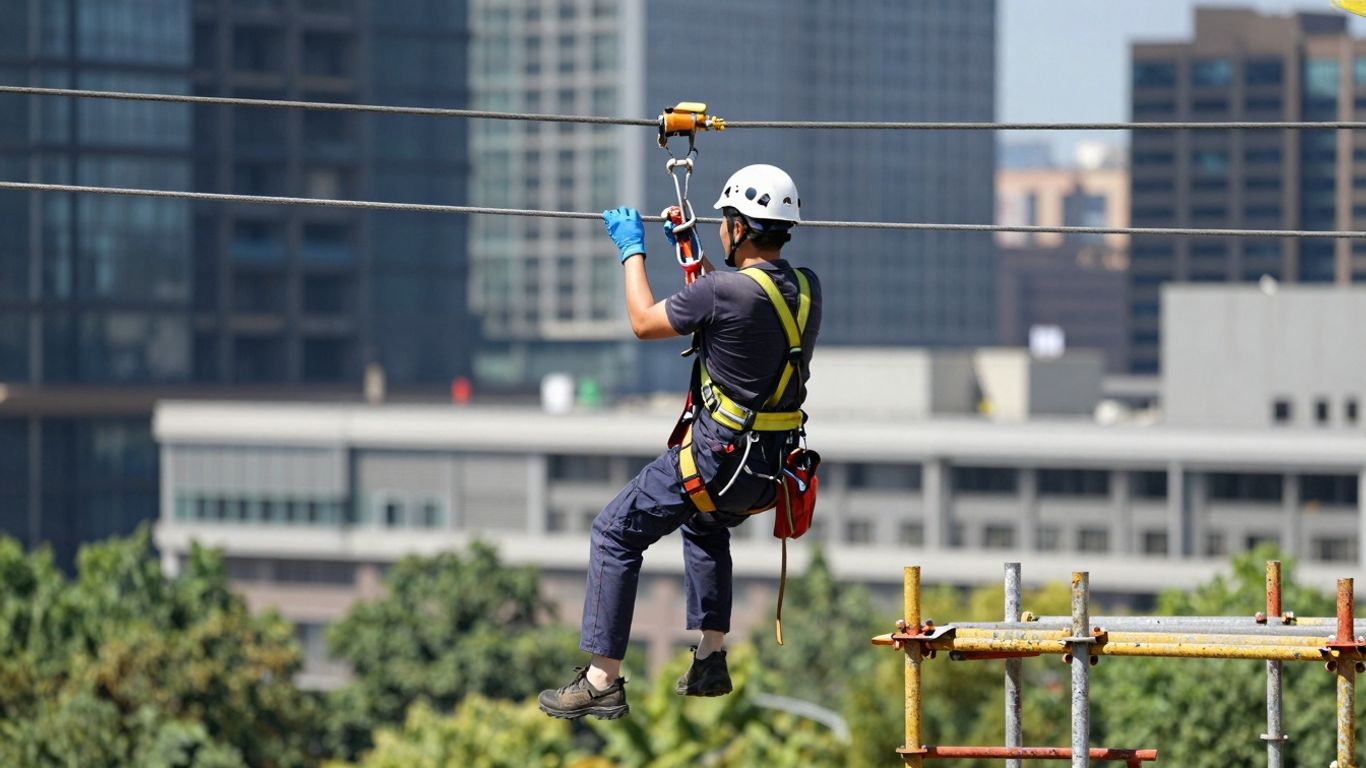
Right then, let’s talk about working at heights. It sounds pretty straightforward, doesn’t it? Just a bit of climbing, maybe a ladder or two. But honestly, it’s one of those areas where things can go wrong incredibly quickly if you’re not paying attention.
We’re talking about anything where you could fall a distance that might cause you an injury, so it’s not just about being on a roof.
The key thing to remember is that proper planning and the right equipment are non-negotiable. You can’t just wing it when you’re up in the air. Think about it: a dropped tool from a few metres up can cause serious harm, let alone a person. So, before you even think about stepping onto a platform or a ladder, you need to have a solid plan in place.
Here’s a quick rundown of what you should be looking out for:
- Assess the risk: What are you doing up there? What could go wrong? Is there a safer way to do it from the ground?
- Choose the right gear: Are you using a scaffold, a mobile platform, a ladder? Make sure it’s suitable for the job and in good condition. And don’t forget your personal protective equipment (PPE) – a harness, for instance, if the risk assessment says so.
- Check your equipment: Before every use, give everything a good look-over. Are there any cracks, loose parts, or signs of wear and tear? If something looks dodgy, don’t use it.
- Secure the area: Make sure no one can walk underneath where you’re working, and that your access and exit points are safe.
It’s also worth noting that the rules around working at heights can be quite specific, especially in industries like construction. They often involve detailed requirements for things like guardrails, safety nets, and how to properly anchor yourself. It’s not just about avoiding a fall; it’s about making sure that if something does happen, the consequences are minimised.
Don’t ever assume that a job is too small or too quick to warrant proper safety measures when working at height. Complacency is a real danger, and a moment’s inattention can lead to a lifetime of regret. Always take that extra minute to double-check everything.
Slips, Trips, and Falls
Right then, let’s talk about slips, trips, and falls. Honestly, these might sound a bit basic, but they’re a massive cause of workplace injuries, and we’re talking about everything from a twisted ankle to something much more serious. You’d be surprised how often a simple spill or a misplaced cable can lead to a day off work, or worse.
The most common culprits are usually pretty straightforward: wet floors, uneven surfaces, trailing wires, and just general clutter. It’s the stuff we often walk past without a second thought, but it’s exactly these things that can catch you out.
Here’s a quick rundown of what to watch out for:
- Slippery Surfaces: Think spills (water, oil, anything really), freshly mopped areas without warning signs, or even icy patches outside.
- Tripping Hazards: This includes things like loose cables, uneven flooring, discarded materials, or even just poorly stacked items.
- Poor Lighting: If you can’t see where you’re going, you’re much more likely to have an accident.
It’s not just about the big, obvious hazards either. Sometimes it’s the little things, like wearing inappropriate footwear for the job. You wouldn’t wear flip-flops to climb a ladder, would you? The same logic applies to general workplace safety.
Keeping your workspace tidy isn’t just about looking neat; it’s a fundamental part of preventing accidents. A clear path means a safer path.
We’ve seen campaigns focusing on this in various sectors, from mining to retail, because it really does affect everyone. For instance, in retail, manual handling often involves ladders, and the risk of sprains and strains from slips and falls is significant. It’s all about being aware and taking those few extra seconds to make sure the area is safe before you proceed.
If you see something that looks a bit dodgy, don’t just walk by – report it or, if you can, sort it out yourself. It could save you or a colleague a lot of bother. Remember, a bit of common sense goes a long way, and it’s always better to be safe than sorry when it comes to workplace safety.
Material Handling And Movement
Right then, let’s talk about moving stuff around at work. It might not sound like the most exciting part of the job, but honestly, it’s where a lot of injuries happen. We’re talking about everything from lifting boxes and using trolleys to operating forklifts and conveyors. Getting this wrong can lead to all sorts of problems, from nasty back strains to more serious accidents.
The main goal is to move materials safely and efficiently, without putting yourself or others at risk.
Think about the loads you’re moving. Are they too heavy? Are they awkward to grip? Are you having to twist your body to get them into place? These are all red flags.
Repetitive lifting, especially if it involves bending or twisting, is a big contributor to musculoskeletal disorders (MSDs). It’s not just about one big lift; it’s the sheer volume of smaller, repeated movements that can wear your body down over time.
Here are a few things to keep in mind:
- Assess the load: Before you even touch it, have a good look. Is it stable? Is it too heavy for you to manage alone? Can you get a good grip?
- Use the right equipment: Don’t be a hero and try to lift something that needs a trolley, a pallet truck, or even a forklift. Make sure you’re trained to use any equipment properly.
- Plan your route: Where are you taking this load? Is the path clear of obstacles? Are there any tight corners or uneven surfaces you need to be aware of?
- Get help when needed: If a load is too big, too heavy, or too awkward, ask a colleague for a hand. It’s always better to share the load than to end up injured.
When you’re using mechanical aids, like forklifts or pallet trucks, make sure they’re in good working order. Regular checks are a must. And if you’re working in an area where these machines are operating, always be aware of your surroundings. Being struck by moving equipment is a serious risk.
It’s easy to get into a routine and just ‘get on with it’, but taking a moment to think about how you’re moving materials can make a huge difference. Small changes in how you lift, bend, or reach can prevent a lot of pain and time off work later on.
We also need to consider how things are stored. Stacking items too high or in unstable piles creates a risk of them falling. This is particularly relevant in warehouses and stockrooms.
Make sure shelving is secure and that you’re not overloading it. When retrieving items from high shelves, use a stable platform or ladder, and never overreach.
Excavation And Trench Protection
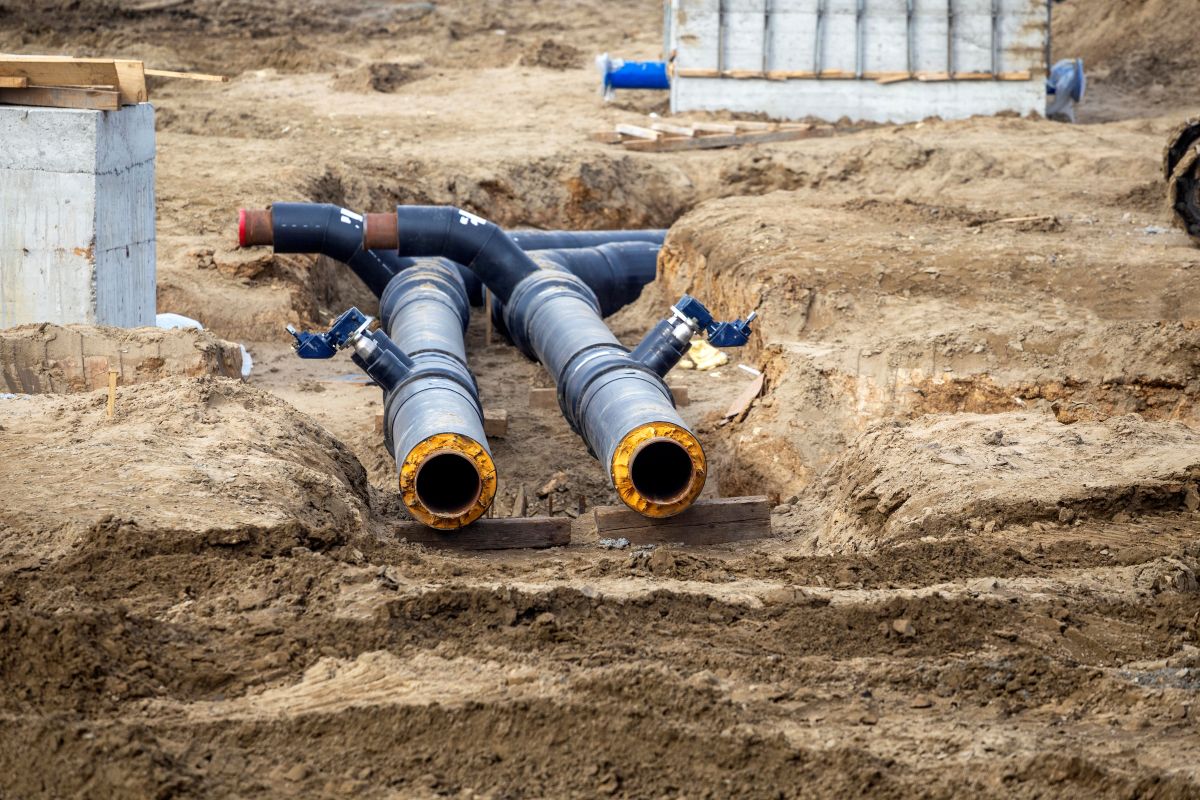
Right then, let’s talk about digging. When you’re working in or around excavations and trenches, safety is absolutely paramount. These aren’t just holes in the ground; they’re potential hazards that need serious respect.
You’ve got to make sure the sides of any trench are properly supported to stop them from collapsing. It’s not just about preventing a bit of dirt from falling in; it’s about stopping a massive amount of soil from burying someone alive.
So, what’s the deal with protection? There are a few main ways to keep things safe:
- Shoring: This involves using supports, like hydraulic systems or timber, to brace the trench walls. It’s a solid way to prevent cave-ins.
- Shielding: Think of trench boxes or shields. These are pre-fabricated structures that workers can be inside while they’re working in the trench. They act like a protective cage.
- Sloping/Benching: This is where you cut back the sides of the trench at an angle. The angle depends on the type of soil, but the idea is to make the walls less steep so they’re less likely to slide.
It’s not just about the walls, either. You need to think about what’s going on above ground too. Keep heavy machinery and materials well away from the edge of the trench – a few metres at least.
And make sure there are safe ways for people to get in and out, like ladders or ramps, placed at regular intervals. You don’t want anyone having to climb up a sheer dirt wall.
Remember, even shallow trenches can be dangerous. If a trench is deeper than about 1.5 metres, it’s generally considered a significant risk and requires specific protective measures. Always check the soil type, as different soils have different stability.
When you’re planning any excavation, it’s vital to have a competent person on site who knows the risks and can oversee the safety measures. They’ll be the ones checking the soil conditions, making sure the protective systems are in place and working correctly, and generally keeping an eye on things.
Getting the groundwork right, literally, is key to preventing nasty accidents. If you’re dealing with complex underground services, it’s always a good idea to consult with professionals, like qualified drainlayers who understand the intricacies of underground systems.
Housekeeping Standards
Right then, let’s talk about keeping your workspace tidy. It might sound a bit basic, but good housekeeping is actually a massive part of staying safe at work. Think about it – a cluttered floor is a prime spot for a nasty slip, trip, or fall, and nobody wants that.
Keeping things organised isn’t just about making the place look nice; it’s about preventing accidents before they even have a chance to happen.
So, what does good housekeeping actually involve? It’s about more than just sweeping up at the end of the day. It means making sure walkways are clear, materials are stored properly, and any spills are dealt with straight away.
You should always know where things are, and more importantly, where they should be. A tidy workspace is a safer workspace, plain and simple.
Here are a few things to keep in mind:
- Clear Pathways: Make sure aisles, corridors, and emergency exits are always free from obstructions. You don’t want anything blocking your way if you need to get out in a hurry.
- Proper Storage: Tools, equipment, and materials should be put away in their designated spots when you’re done with them. Don’t leave them lying around where someone could trip over them.
- Spill Management: If you spill something, clean it up immediately. If you can’t, make sure it’s clearly marked so no one else walks into it.
- Waste Disposal: Use the bins provided and make sure they aren’t overflowing. Regular emptying is key.
Keeping your work area clean and organised might seem like a chore, but it really does make a difference. It reduces the risk of accidents, makes it easier to find what you need, and generally makes the workplace a more pleasant place to be. It’s a shared responsibility, so everyone needs to play their part.
Think about it like this: if you’re working with machinery, having loose cables or tools scattered about could easily get caught, leading to a serious incident. Or imagine trying to find a specific piece of equipment in a messy storeroom – it wastes time and increases the chance of knocking something over.
So, next time you finish a task, take an extra minute to put things back where they belong. It’s a small effort that pays off big time in terms of safety.
Machine Guarding And Lockout Procedures
Right then, let’s talk about keeping your fingers, hands, and pretty much your whole self out of harm’s way when you’re working with machinery. It’s all about two main things: making sure machines are properly guarded and knowing how to safely shut them down when you need to do some work on them.
The absolute golden rule is that no moving parts should ever be exposed when a machine is in operation. That means guards need to be in place, and they need to be the right kind of guards for the job. Think of them like a shield – they’re there to stop you from getting caught, hit, or otherwise injured by anything that spins, cuts, crushes, or moves unexpectedly.
When you need to get inside a machine to fix it, clean it, or do any kind of maintenance, that’s where lockout procedures come in. It’s not just about flicking a switch off. Lockout/tagout (LOTO) is a serious business. It involves isolating the energy source (like electricity, hydraulics, or pneumatics) and making sure no one can accidentally re-energise the machine while you’re working on it. This usually means applying a lock and a tag to the isolation point, so everyone knows it’s being worked on and can’t be turned back on.
Here’s a quick rundown of what lockout should generally involve:
- Preparation: Figure out what energy sources need to be controlled.
- Notification: Let everyone who works in the area know that maintenance is happening and the machine will be shut down.
- Shutdown: Turn the machine off using its normal stopping procedure.
- Isolation: Physically disconnect or isolate the machine from its energy source(s).
- Lockout/Tagout: Apply your personal lock and tag to the isolation device.
- Verification: Try to start the machine (or test it in some way) to make sure the energy is truly isolated and it won’t start up.
- Repair/Maintenance: Do the work you need to do.
- Restoration: Remove tools, re-secure guards, and then remove your lock and tag. Only then can the machine be re-energised.
It might seem like a bit of a faff, especially if you’re in a hurry, but honestly, it’s the difference between a quick fix and a trip to A&E. Employers have a duty to provide the right guards and clear lockout procedures, and you’ve got a responsibility to follow them to the letter.
If you’re ever unsure about a guard or a lockout procedure, stop what you’re doing and ask your supervisor. It’s always better to be safe than sorry, right?
Remember, machine guarding isn’t just about preventing immediate injury; it’s also about stopping long-term issues like repetitive strain from awkward interactions with poorly designed machine interfaces. Proper guards and safe shutdown procedures protect you now and in the future.
Training And Orientation For New Workers
Starting a new job can be a bit of a whirlwind, can’t it? You’re trying to get to grips with new tasks, meet new people, and figure out where the good biscuits are kept. But amidst all that, there’s something really important: making sure you know how to do your job safely.
New workers, especially, are more likely to have an accident in their first month on the job. It’s not about being clumsy; it’s often down to not knowing the ropes yet.
Your employer has a duty to give you proper training. This isn’t just a quick chat; it should cover the specific tasks you’ll be doing, any dangers you might encounter, and what to do if something goes wrong. Think of it as getting your safety toolkit before you even pick up your first tool.
Here’s what you should expect:
- Clear Instructions: You should be told exactly how to do your job, step-by-step. If anything’s unclear, don’t be shy – ask for it to be explained again. It’s better to ask now than to have a mishap later.
- Hazard Awareness: You need to know what the risks are. This could be anything from slippery floors to dangerous machinery. You should be shown how to avoid these hazards.
- Emergency Procedures: What do you do if the fire alarm goes off? Or if someone gets hurt? You need to know the plan.
- Personal Protective Equipment (PPE): If you need a hard hat, safety glasses, or special gloves, you’ll be shown how to use them correctly and why they’re important.
It’s also a good idea for you to be proactive. If you’re unsure about something, even if you think it’s a daft question, ask your supervisor or a more experienced colleague.
They’d much rather you asked than made a mistake. Remember, everyone wants you to go home safe at the end of your shift.
Getting the right information upfront makes a massive difference. It’s not just about ticking a box; it’s about making sure you’re equipped to handle your work safely and confidently. Don’t hesitate to speak up if you feel you haven’t received adequate training or if you have any concerns about your safety.
Emergency Preparedness And Response
Right then, let’s talk about what to do when things go pear-shaped at work. It’s not exactly the most exciting topic, is it? But honestly, knowing what to do in an emergency could make all the difference. We’re talking fires, chemical spills, or even just a serious accident. Having a clear plan in place is non-negotiable for keeping everyone safe.
First off, you need to know the basics. What’s the alarm sound like? Where are the nearest exits? And crucially, where’s the assembly point outside the building? It sounds simple, but in a panic, these details can get fuzzy.
Here’s a quick rundown of what you should be aware of:
- Fire Procedures: Know how to use a fire extinguisher if you’re trained, and more importantly, when not to try and fight a fire yourself. Get out!
- First Aid: Be aware of who the first aiders are on site and how to contact them. Knowing basic first aid yourself is a bonus, of course.
- Evacuation Routes: Familiarise yourself with at least two different ways out of your immediate work area.
- Emergency Contacts: Have a list of important numbers handy – not just for your workplace, but for emergency services too.
It’s also worth knowing about specific site risks. If you work with chemicals, for instance, you’ll need to know about spill containment and what to do if someone’s exposed. If you’re in a high-rise, evacuation procedures will be different to a single-story building.
Don’t just assume someone else knows what to do. Take a moment to familiarise yourself with your workplace’s emergency plan. It’s your responsibility to know the drill.
Your employer should provide training on this, and it’s a good idea to ask questions if anything’s unclear. They might have specific procedures for things like power failures or even severe weather events. Being prepared isn’t just about following rules; it’s about looking out for yourself and your colleagues. So, take a few minutes to get clued up – it’s time well spent.
Hazard Identification And Control
Right then, let’s talk about spotting and sorting out dangers at work. It sounds a bit obvious, doesn’t it? But honestly, how many times have you walked past something that just didn’t look quite right, but you carried on anyway? We all do it. The big thing for 2026 is making sure we’re all actively looking for trouble before it finds us.
It’s about getting into the habit of seeing potential problems. This could be anything from a loose floorboard that’s a trip waiting to happen, to a chemical that’s not stored properly, or even just a machine that’s making a funny noise.
Your eyes and ears are your first line of defence. You need to be thinking about what could go wrong, not just what’s supposed to happen.
Here’s a quick rundown of how to get better at this:
- Look around: Take a proper look at your workspace. What’s out of place? What looks worn out or damaged?
- Listen: Are there any strange sounds coming from machinery? Is anyone complaining about something?
- Think about the task: What are you about to do? What could go wrong during that specific job?
- Ask questions: If you’re not sure about something, or if something looks dodgy, ask your supervisor or a more experienced colleague.
It’s not just about spotting the obvious stuff, either. Sometimes the biggest risks are the ones you don’t see straight away. Think about things like repetitive strain injuries from doing the same movement over and over, or the fumes from a substance you’re using. These are hazards that need controlling too.
Controlling hazards means you’ve identified a risk and then taken steps to get rid of it or reduce it to a level that’s acceptable. This might involve changing how a job is done, putting up barriers, or making sure you’ve got the right personal protective equipment for the task. It’s a continuous process, not a one-off job.
Remember, your employer has a duty to help you identify and control these hazards, but they can’t do it if you don’t speak up or if you’re not paying attention. So, keep your eyes peeled and your ears open – it’s for your own good.
Equipment And Vehicle Safety
Right then, let’s talk about keeping yourself safe when you’re using equipment or driving vehicles at work. It might seem obvious, but you’d be surprised how many accidents happen because people get a bit too relaxed around machinery and cars.
Your employer has a duty to make sure the equipment you use is in good nick and that vehicles are safe to operate. This means regular checks and maintenance. But it’s not all on them; you’ve got a part to play too.
Always do a quick check yourself before you start using anything. Look for obvious damage, loose parts, or anything that just doesn’t seem right. If you spot a problem, don’t just ignore it – report it straight away.
When it comes to vehicles, whether it’s a forklift on site or a company car, you need to be properly trained and licensed if required. Don’t hop into the driver’s seat if you’re not sure how to operate it safely.
This includes understanding load limits, blind spots, and how to manoeuvre in tight spaces. Remember, operating heavy machinery or driving at work isn’t like nipping to the shops; there are specific rules and risks involved.
Here are a few things to keep in mind:
- Pre-use checks: Always give equipment and vehicles a once-over before you start. Check tyres, brakes, lights, and any safety guards.
- Know your limits: Understand the capacity of the equipment you’re using and the vehicle you’re driving. Don’t overload them.
- Awareness is key: Be mindful of your surroundings. Watch out for other workers, pedestrians, and obstacles, especially when moving equipment or vehicles.
- Report defects: If anything looks or sounds wrong, stop using it and tell your supervisor immediately. Don’t try to fix it yourself unless you’re trained to do so.
Operating machinery or vehicles requires focus. Distractions, whether from your phone or just daydreaming, can have serious consequences. Make sure you’re switched on and concentrating on the task at hand.
Think about the different types of equipment you might encounter. From hand tools to large excavators, each has its own set of safety procedures. Similarly, driving on a busy industrial site is very different from driving on the open road.
You need to be aware of specific site rules, speed limits, and designated routes. Proper training and a healthy respect for the machinery and vehicles you’re working with are your best defence against accidents.
Scaffolding And Ladder Safety
Right then, let’s talk about getting up high safely. Whether you’re on a scaffold or just a ladder, it’s easy to get a bit complacent, but that’s when things can go wrong. We’re talking about serious falls here, and nobody wants that.
First off, scaffolding. It’s not just about slapping some planks together. These structures need to be put up by someone who knows what they’re doing, and they need to be checked regularly.
Make sure any scaffold you use has been inspected and tagged by a competent person before you climb on it. You should also be aware of the weight limits – don’t overload it with materials or too many people. And always, always use the guardrails and toe boards provided. It might seem like a faff, but they’re there for a reason.
Ladders are a bit simpler, but just as dangerous if used incorrectly. Extension ladders need to be set up at the right angle – that’s roughly a 75-degree angle, or as a handy rule of thumb, for every four feet you go up, the base should be one foot out from the wall. Make sure the ladder is on a firm, level surface, and never stand on the top few rungs.
If you need to reach something, move the ladder instead of overstretching. And for goodness sake, don’t try to carry heavy tools or materials up a ladder; use a hoist or get someone to pass them up to you.
Here are a few key things to remember:
- Scaffolds: Always check the tag, ensure it’s stable, and use all safety features like guardrails.
- Ladders: Set them up correctly, maintain three points of contact when climbing, and never overreach.
- Training: If you’re unsure about using any access equipment, ask for proper training. It’s better to be safe than sorry.
Working at height, whether on scaffolding or a ladder, is one of the biggest risks on any site. It’s vital to follow the rules and not cut corners. A moment’s carelessness can lead to life-changing injuries.
Electrical Safety
Right then, let’s talk about electricity at work. It’s one of those things we all use every day, but it can be seriously dangerous if you’re not careful. We’re talking about everything from the extension leads powering your tools to the main distribution boards. Never assume an electrical circuit is dead; always test it first. It’s a simple step that can save your life.
When you’re working with or near electrical equipment, there are a few key things to keep in mind. Firstly, make sure all your tools and equipment are in good nick. Frayed wires or damaged casings are a big no-no. If you spot any dodgy-looking kit, don’t just ignore it – report it straight away. Your employer should have a system for checking and maintaining electrical gear, but it’s down to all of us to flag up problems.
Here are some basic rules to follow:
- Inspect your equipment: Before you use any electrical tool, give it a quick once-over. Look for cracks, exposed wires, or loose plugs.
- Use the right gear: Make sure you’re using equipment that’s suitable for the job and the environment. For instance, don’t use indoor equipment outside if it’s not rated for it.
- Know your isolations: If you’re doing any work that involves getting close to electrical sources, you need to know how to safely isolate the power. This usually involves locking off the circuit so no one can accidentally switch it back on.
- Report faults immediately: If something sparks, smokes, or just feels wrong, stop using it and tell your supervisor. Don’t try to be a hero and fix it yourself unless you’re qualified.
Working with electricity requires a healthy respect for its power. Even low voltages can cause nasty shocks, and higher voltages can be fatal. Always follow established procedures and never take shortcuts when it comes to electrical safety. If you’re ever in doubt, stop and ask for clarification.
It’s also worth remembering that water and electricity are a terrible combination. So, keep electrical equipment well away from wet areas, and never handle plugs or switches with wet hands. Proper training is also a big part of this. You should know what to do in an emergency, like if someone gets an electric shock, and understand the basic principles of electrical safety relevant to your job.
Cranes, Hoisting, And Rigging
Right then, let’s talk about cranes, hoisting, and rigging. It might sound a bit technical, but honestly, it’s all about making sure heavy stuff gets moved safely without anyone getting hurt. We’re talking about anything that lifts, moves, or secures loads, from big tower cranes on a construction site to smaller hoists in a warehouse.
The main thing to remember is that these operations aren’t just about the machine; they’re about the whole process, from planning to execution.
This means checking your equipment, making sure the rigging is spot on, and that the people involved know exactly what they’re doing. Inspectors will be looking closely at how these tasks are managed, especially in sectors where we’ve seen more incidents.
Here are some key areas to keep in mind:
- Pre-use checks: Before any lifting starts, you need to do a thorough check of the crane, hoist, and all rigging gear. This includes looking for any wear and tear, damage, or loose parts. Think of it like checking your car before a long journey – you wouldn’t want to set off with dodgy brakes, would you?
- Load capacity: Every piece of equipment and rigging has a limit. You absolutely must know what that limit is and never, ever exceed it. Overloading is a fast track to disaster.
- Rigging techniques: Using the right slings, shackles, and other rigging equipment is vital. It’s not just about hooking things up; it’s about distributing the weight correctly and making sure the load is stable.
- Communication: Clear communication between the crane operator, the signal person, and the ground crew is non-negotiable. Hand signals, radios – whatever works, as long as everyone is on the same page.
- Environmental factors: Wind, rain, poor visibility – these can all affect lifting operations. You need to be aware of the weather and adjust your plans or stop work if conditions become unsafe.
When it comes to rigging, it’s not just about having the right gear; it’s about knowing how to use it properly. This involves understanding load angles, hitch types, and how different materials react under stress. A poorly rigged load can shift unexpectedly, leading to serious accidents.
We’re seeing a focus on making sure that training is up to scratch. If you’re operating a crane or involved in rigging, you should have had proper training and be competent in your role.
This isn’t a job for guesswork. Regular inspections of crane hook blocks, for instance, are also a priority to catch any potential problems before they cause an incident.
Chemical, Rubber, And Plastics Safety
Right then, let’s talk about keeping safe when you’re dealing with chemicals, rubber, or plastics at work. It might not sound as dramatic as working at heights, but honestly, the risks can be just as serious, if not more so, because they’re not always as obvious.
First off, you’ve got to know what you’re working with. This is where WHMIS (Workplace Hazardous Materials Information System) comes in. Your employer has to make sure you’re shown the labels on containers and given Safety Data Sheets (SDS) for any hazardous stuff you might come into contact with.
These documents are like the instruction manuals for chemicals – they tell you what the dangers are and what to do if something goes wrong. Make sure you actually read them and understand what they’re saying.
Here are a few things to keep in mind:
- Ventilation is key: Many chemicals release fumes that you can’t see or smell, but they can still be harmful. Make sure any extraction or ventilation systems are working properly and that you’re using them as intended.
- Personal Protective Equipment (PPE): This isn’t just a suggestion; it’s often a requirement. We’re talking gloves, eye protection, respirators, and protective clothing. The right PPE depends entirely on the specific chemical and the task, so always check your SDS and follow your workplace’s guidelines.
- Safe Storage: Chemicals need to be stored correctly. This means keeping them in the right containers, away from incompatible materials (like storing acids away from bases), and in designated areas that are properly labelled and secured.
- Handling Procedures: How you handle these materials matters. Avoid splashing, don’t mix chemicals unless you’re absolutely sure it’s safe, and always clean up spills straight away according to the procedure.
It’s not just about the big, obvious chemicals either. Sometimes, the everyday stuff can pose a risk. Think about solvents used for cleaning, adhesives, or even the dust generated when working with certain plastics. These can all have health impacts if you’re exposed to them regularly without proper controls.
The transition to updated WHMIS labels and SDSs means that information about chemical hazards is changing. It’s really important that you get retrained on these changes so you’re not caught out by new hazard classifications or information. What might have seemed safe before could have new warnings attached.
If you’re ever unsure about a substance, how to handle it, or what PPE to use, stop what you’re doing and ask your supervisor. It’s always better to be safe than sorry when it comes to chemicals.
Wood And Metal Fabrication Safety
Right then, let’s talk about keeping safe when you’re working with wood and metal. It might seem straightforward, but there are definitely some things you need to be aware of to avoid any nasty surprises.
First off, personal protective equipment (PPE) is non-negotiable. We’re talking safety glasses or goggles to protect your eyes from flying debris – seriously, don’t skip this. Gloves are a must too, especially when handling sharp metal edges or rough wood. And depending on the job, you might need ear defenders to save your hearing from noisy machinery. Always make sure your PPE fits properly and is in good condition.
When you’re operating machinery like saws, grinders, or presses, you’ve got to be switched on. These machines can be powerful, and a moment’s distraction can lead to serious injury. It’s vital to understand how each machine works and to follow the correct operating procedures. This includes making sure guards are in place and functioning correctly before you even think about starting up.
Here are a few key points to keep in mind:
- Machine Guarding: Never remove or bypass safety guards. They’re there for a reason – to keep your hands and body away from moving parts.
- Lockout/Tagout: Before any maintenance or cleaning, you must follow lockout/tagout procedures. This means isolating the power source and securing it so the machine can’t accidentally be switched on.
- Tool Maintenance: Keep your hand tools and power tools in good nick. Dull blades or faulty wiring are just asking for trouble.
- Workspace Organisation: A tidy workspace is a safer workspace. Keep materials organised, clear away offcuts and waste, and make sure you have clear pathways to move around.
It’s also really important to know about the materials you’re working with. Some metals can produce harmful fumes when heated or cut, so good ventilation is key. Likewise, certain types of wood dust can be a health hazard if inhaled over time.
If you’re unsure about the specific risks associated with a material, don’t guess – ask your supervisor or consult safety data sheets. You can find some helpful advice on selecting quality timber and materials if you’re getting started with DIY projects.
Remember, training is your best friend here. If you’re new to a job or a particular machine, make sure you get thorough instruction and practice. Don’t be afraid to ask questions if anything is unclear. It’s much better to ask for clarification than to risk an accident.
Finally, always be aware of your surroundings. Tripping hazards, like cables or scrap materials, can be a real problem. Keep walkways clear and report any spills or hazards straight away. Staying alert and following these guidelines will help make your time in the workshop a lot safer.
Food, Beverage, And Tobacco Safety
Right then, let’s talk about keeping things safe in the food, beverage, and tobacco industries. It might not seem as obviously dangerous as, say, construction, but there are definitely some specific risks you need to be aware of. Think about it – you’re dealing with machinery, sometimes hot liquids or steam, and of course, hygiene is paramount.
One of the big things is making sure all the equipment is properly maintained and guarded. You don’t want any stray hands getting caught in mixers or conveyor belts, do you?
Regular checks and proper training on how to use these machines safely are non-negotiable. It’s not just about avoiding a nasty accident; it’s about making sure the products you’re making are safe for everyone to consume too.
Here are a few key areas to keep an eye on:
- Hygiene Practices: This is massive. Proper handwashing, keeping work surfaces clean, and correct food storage are vital to prevent contamination. You’ll often see specific protocols for this, and they’re there for a good reason.
- Machine Safety: From slicers to packaging machines, they all have moving parts. Guards need to be in place, and lockout/tagout procedures must be followed when maintenance is being done. No shortcuts here.
- Chemical Handling: Cleaning chemicals are used everywhere, and you need to know how to handle them safely. That means understanding the labels, using the right personal protective equipment (PPE), and knowing what to do if there’s a spill.
- Ergonomics: Believe it or not, repetitive tasks like packing or lifting can lead to strains over time. Being aware of how you lift and move things, and taking breaks, can make a big difference.
You’ll find that a lot of the safety rules in this sector boil down to being meticulous. It’s about paying attention to the small details, following procedures to the letter, and not getting complacent, even if you’ve been doing the same job for years. That’s how you keep yourself and others safe, and the products you make safe for the public.
Remember, your employer has a duty to provide a safe working environment, but you also have a responsibility to follow the rules and speak up if you see something that doesn’t look right. It’s a team effort, really.
Government And Municipal Services Safety
Working in government and municipal services can throw up some unique safety challenges, often involving public interaction and a wide range of environments. You might be dealing with everything from office-based tasks to outdoor maintenance, or even emergency response.
It’s really important to know the specific risks tied to your particular role within the public sector. For example, someone working in an office might face ergonomic issues or fire safety concerns, while a parks department employee could be exposed to hazards like uneven terrain, machinery, or even aggressive wildlife.
Here are a few areas that often need a sharp focus:
- Public Interaction Hazards: Dealing with members of the public can sometimes lead to unpredictable situations. Understanding de-escalation techniques and knowing when to seek assistance is key.
- Vehicle and Equipment Use: Many municipal roles involve driving or operating various types of vehicles and equipment, from standard cars and vans to specialised machinery. Regular checks and proper training are non-negotiable.
- Environmental Exposures: Depending on your job, you could be exposed to extreme weather conditions, hazardous materials (like during waste management or spill clean-ups), or biological agents.
Keeping yourself and the public safe is a big part of the job. This means being aware of your surroundings, following established procedures, and not hesitating to report anything that seems unsafe. Your training and the safety guidelines provided by your employer are there for a reason – use them!
Think about the tools and substances you use daily. Are they stored correctly? Are you using the right personal protective equipment (PPE) for the job, even if it’s just for a short task?
For instance, if you’re handling chemicals for street cleaning or dealing with waste, you’ll need specific gloves and possibly eye protection. Even simple tasks like lifting heavy objects or paperwork need to be done with care to avoid strains.
Retail Trade Sector Safety
Right then, let’s talk about staying safe when you’re working in retail. It might not seem as dangerous as some other jobs, but there are definitely things you need to watch out for. Think about all the lifting, carrying, and moving of stock that goes on every single day. This is where a lot of injuries can happen, especially things like strains and sprains.
The main focus for safety in retail is often on preventing musculoskeletal disorders (MSDs). This means looking at how you handle goods, from when they arrive at the back door, through to stocking shelves, and even when you’re helping customers.
Awkward lifting, reaching too high or too far, and repetitive movements are all things that can lead to problems down the line.
Here are some common hazards you might come across:
- Manual Handling: Lifting heavy boxes, pushing overloaded trolleys, or reaching for items on high shelves. This is a big one.
- Slips, Trips, and Falls: Spills on the shop floor, clutter in stockrooms, or even poorly placed mats can cause nasty falls. Ladder safety is also important when stocking higher shelves.
- Struck-By Hazards: Being near delivery equipment or even falling stock can pose a risk.
It’s not just about the big stuff, either. Even simple things like how you stand at a till for long periods can cause discomfort if not managed properly.
Employers have a duty to look at these tasks and try to make them safer, perhaps by providing better equipment, changing how things are done, or giving you proper training on how to lift safely.
Remember, even though retail might seem straightforward, it’s vital to be aware of the risks. Your employer should be providing you with the information and tools you need to do your job without getting hurt. Don’t be afraid to speak up if you see something that doesn’t look right or if you’re struggling with a task.
So, keep your eyes open, follow the safety guidelines, and look after yourself. It’s all about making sure you can finish your shift without picking up any unwanted injuries.
Tourism, Hospitality, And Recreational Services Safety
Right then, let’s talk about keeping things safe in the tourism, hospitality, and recreational services sector. It’s a busy world out there, whether you’re working in a hotel, a restaurant, or running a fun day out for people.
You’re often dealing with the public, lots of different equipment, and sometimes, unpredictable situations. Making sure everyone goes home safe at the end of their shift is the main goal.
Think about it: you might be handling food, serving drinks, managing crowds, or even operating machinery for activities. Each of these has its own set of risks. For instance, in kitchens, slips and falls from wet floors are a big one.
Then there’s the risk of burns from hot surfaces or equipment, and cuts from sharp knives. In hotels, you’ve got everything from manual handling of luggage to dealing with potential security issues.
Here are a few key areas to keep an eye on:
- Slips, Trips, and Falls: This is a classic. Keep floors clean and dry, use ‘wet floor’ signs religiously, and make sure walkways are clear of clutter. Proper footwear can make a huge difference too.
- Manual Handling: Lifting heavy trays, boxes, or equipment can lead to back injuries. Learn the right way to lift, use trolleys when you can, and don’t be afraid to ask for help.
- Equipment Safety: Whether it’s a coffee machine, a deep fryer, or a piece of sports equipment, make sure it’s in good working order and that you know how to use it safely. Regular checks are a must.
- Crowd Management: In events or busy venues, managing people flow is important to prevent crushes or accidents. Clear signage and trained staff are key here.
Communication is also a big deal. In larger venues or during events, having reliable ways to talk to your team is vital. Think about using two-way radios for instant contact across different areas, which can be a lifesaver in coordinating staff and responding to issues quickly. You can find out more about communication tools for these kinds of environments.
It’s easy to get caught up in the day-to-day rush, especially when you’re trying to give customers a great experience. But taking a few moments to think about safety, to follow procedures, and to report anything that looks dodgy can prevent a lot of trouble down the line. It’s about looking out for yourself and your colleagues.
Remember, safety isn’t just about following rules; it’s about creating a culture where everyone feels responsible for their own safety and the safety of others.
A bit of awareness goes a long way in keeping the tourism, hospitality, and recreational sectors running smoothly and safely for everyone involved.
Transportation Safety
Right then, let’s talk about keeping safe when you’re dealing with vehicles and transport at work. It might seem obvious, but the transport sector, whether you’re driving a van, operating a forklift, or just walking around a busy depot, has its own set of risks.
We’re talking about everything from lorries and cars to smaller machinery like pallet trucks.
The main goal is to prevent collisions and keep everyone on foot safe.
Think about it: moving vehicles, often in tight spaces, with people trying to get things done. It’s a recipe for potential accidents if we’re not careful.
We need to be aware of blind spots, understand signalling, and make sure that any equipment being used is in good nick and operated by someone who knows what they’re doing.
Here are a few things to keep in mind:
- Vehicle Checks: Before you even start the engine, give your vehicle a quick once-over. Check the tyres, lights, mirrors, and brakes. A few minutes spent here could save a lot of trouble later.
- Traffic Management: In busy areas, clear signs and designated walkways are a lifesaver. If you’re driving, stick to the marked routes and be extra cautious around pedestrians.
- Loading and Unloading: This is a high-risk activity. Make sure loads are secure and that you’re aware of your surroundings when moving goods. Don’t rush it.
- Communication: If you’re working with others, clear communication is key. Use hand signals or radios if needed, especially when visibility is poor.
Remember, even if you’re not the one driving, you’re still part of the transport safety picture. Being aware of your surroundings, staying out of blind spots, and following site rules are just as important for your own safety and that of your colleagues.
It’s not just about the big trucks either. Forklifts, powered pallet trucks, and even just walking through a yard where vehicles are moving all fall under this umbrella. We all have a part to play in making sure everyone gets home safe at the end of the day.
Vehicle Sales And Service Safety
Right then, let’s talk about keeping safe when you’re working in vehicle sales and service. It’s not just about selling cars or fixing them up; there’s a whole load of potential hazards you need to be aware of. Think about the workshop floor, for instance.
You’ve got heavy machinery, tools that can cause serious injury if mishandled, and chemicals that need careful storage and use. Your safety, and that of your colleagues, really depends on following the rules.
When you’re dealing with vehicles, there are a few key areas to keep an eye on:
- Lifting and Moving: Whether it’s lifting heavy car parts, manoeuvring vehicles into service bays, or even just moving stock around, proper manual handling techniques are a must. Twisting and reaching awkwardly, or trying to lift something too heavy, can lead to nasty strains and sprains that’ll keep you off your feet for ages.
- Chemical Handling: Garages use all sorts of fluids – oils, greases, cleaning agents, and more. You need to know what you’re dealing with, how to store it safely, and what personal protective equipment (PPE) to use. Spills can create slip hazards, and some fumes can be harmful if not properly ventilated.
- Tool and Equipment Use: From power tools to diagnostic equipment, you need to be trained on how to use them correctly and safely. Always check that guards are in place, that equipment is in good working order, and that you’re using the right tool for the job.
- Vehicle Hoists and Lifts: These are essential for working under cars, but they’re also a major hazard if not used properly. Make sure you understand the weight limits, the locking mechanisms, and that the vehicle is positioned correctly before you start working.
It’s easy to get caught up in the day-to-day rush, especially when there’s a customer waiting or a tight deadline. But taking a few extra moments to assess a task, grab the right PPE, or double-check that a piece of equipment is safe can make all the difference between a smooth day and a trip to A&E.
Remember, your employer has a duty to provide a safe working environment, but you also have a responsibility to follow safety procedures and report any hazards you spot. Don’t be afraid to speak up if something doesn’t feel right – it’s better to be safe than sorry.
Agricultural Services Safety
Right then, let’s talk about staying safe when you’re working in agriculture. It’s a tough job, and frankly, it comes with its own set of risks that you need to be aware of. We’re talking about everything from handling machinery to dealing with livestock and chemicals.
One of the biggest concerns is definitely material handling. Think about it – you’re often moving heavy, awkward things like feed sacks, bales of hay, or equipment. This is where you can easily get crushed or struck by something if you’re not careful.
It’s not just about lifting; it’s about how you move things around the farm, whether that’s with a tractor, a telehandler, or just your own two hands. Proper training on how to operate these machines safely, and knowing the load limits, is absolutely key. Don’t ever assume you know best; if you’re unsure, ask.
Here are a few things to keep in mind:
- Machinery Safety: Always make sure guards are in place on tractors and other equipment. Know how to use the PTO (Power Take-Off) safely, and never try to clear blockages while the engine is running. Regular maintenance is also a big one – a well-maintained machine is a safer machine.
- Chemical Handling: If you’re using pesticides or fertilisers, you need to know exactly what you’re doing. Always wear the right protective gear – gloves, masks, the works. Store them properly, away from food and out of reach of children and animals.
- Livestock Handling: Animals can be unpredictable. Always approach them calmly and know their behaviour. Never get between a cow and her calf, for example. Make sure pens and gates are secure.
- Working at Heights: This might not seem like a big deal on a farm, but think about climbing ladders to fix roofs or access silos. Always use a stable ladder, have someone footing it if possible, and don’t overreach.
Remember, farms are busy places, and it’s easy to get complacent. Take a moment to assess the risks before you start a task, especially if it’s something you don’t do every day. Your safety is worth more than saving a few minutes.
It’s also worth noting that many agricultural businesses are small, and sometimes owners might not have all the safety knowledge or resources they need. If you’re in this situation, don’t be afraid to seek out help. There are organisations out there that can provide guidance and resources to make your workplace safer for everyone.
Mining Sector Safety
Right then, let’s talk about staying safe when you’re working in the mining sector. It’s a tough environment, no doubt about it, and keeping yourself out of harm’s way is absolutely key.
You’ll find that a big chunk of the serious injuries that happen underground or in processing plants are down to simple slips, trips, and falls. Honestly, it sounds basic, but it’s a massive issue.
Inspectors are going to be looking closely at how workplaces are kept tidy, the conditions you’re working in, how you get on and off machinery, and whether all the safety gear and equipment is in good nick.
Employers really need to make sure that access to work areas and equipment is safe and that everything is properly maintained.
Here’s a quick rundown of what they’ll be checking:
- Housekeeping: Is the place tidy? Are walkways clear? Are materials stored properly?
- Environmental Conditions: Is it too wet, too dusty, or too hot/cold to work safely?
- Mounting and Dismounting Equipment: Are there safe procedures for getting on and off vehicles and machinery?
- Protective Devices: Is all the safety equipment, like guards and emergency stops, working correctly?
It’s not just about following the rules; it’s about looking out for yourself and your mates. Small things, like a bit of mud on the floor or a poorly placed tool, can lead to really nasty accidents if you’re not careful. Always be aware of your surroundings.
For those of you working in smaller mining operations, remember that resources might be a bit tighter. Don’t let that be an excuse for cutting corners on safety.
There are organisations out there ready to help small businesses get their health and safety sorted, so make sure you’re using them. It’s all about making sure everyone gets home safe at the end of their shift.
Construction Equipment Operation and more
Right then, let’s talk about operating all that heavy machinery on a construction site. It’s not just about hopping in and turning a key, is it? There’s a whole heap of safety stuff to get your head around.
You’ve got to be properly trained and authorised before you even think about touching a digger, a crane, or any of those other big beasts. It sounds obvious, but you’d be surprised how many people try to cut corners. This isn’t like driving a car; these machines can cause serious damage if they’re not handled with respect and skill.
Here’s a quick rundown of what you should be looking out for:
- Pre-operation Checks: Always do a thorough walk-around before you start. Check fluid levels, tyres, tracks, hydraulics, and any visible damage. Make sure all safety guards are in place and secure. It’s about spotting problems before they become accidents.
- Safe Operation: Stick to the manufacturer’s guidelines. Don’t overload the equipment. Be aware of your surroundings – other workers, overhead power lines, unstable ground. Use spotters when visibility is poor, especially when reversing.
- Maintenance: Regular servicing is key. If you notice something’s not quite right, report it immediately. Don’t try to fix it yourself unless you’re qualified. A well-maintained machine is a safer machine.
- Site Awareness: Know the site plan. Understand where other equipment is working, where pedestrian walkways are, and any designated no-go zones. Communication is vital, especially on busy sites.
Think about the sheer power these machines have. A moment’s distraction, a bit of complacency, and things can go wrong very quickly. It’s not just about following rules; it’s about having a good sense of what could happen and taking steps to prevent it.
Operating construction equipment safely isn’t just about ticking boxes. It’s about a constant awareness of the risks involved and a commitment to doing things the right way, every single time. Your colleagues’ lives, and your own, depend on it.
And it’s not just about the big stuff. This section also covers things like vehicle safety on site – making sure any vans, trucks, or even smaller utility vehicles are in good nick and driven sensibly.
Plus, there’s the whole area of rigging and hoisting, which is a whole other ball game requiring specific training and attention to detail. Basically, if it moves and it’s on a construction site, there are safety standards to follow.
So, What’s the Takeaway?
Right, so we’ve gone through a fair bit about staying safe on the tools in 2026. It’s not just about ticking boxes, is it? It’s about actually looking out for yourself and your mates.
Remember, if you’re not sure about something, just ask. Seriously, nobody wants a preventable stuff-up because someone was too shy to speak up. Keep your eyes peeled, do the training, and make sure you’ve got the right gear. Stay safe out there, eh?